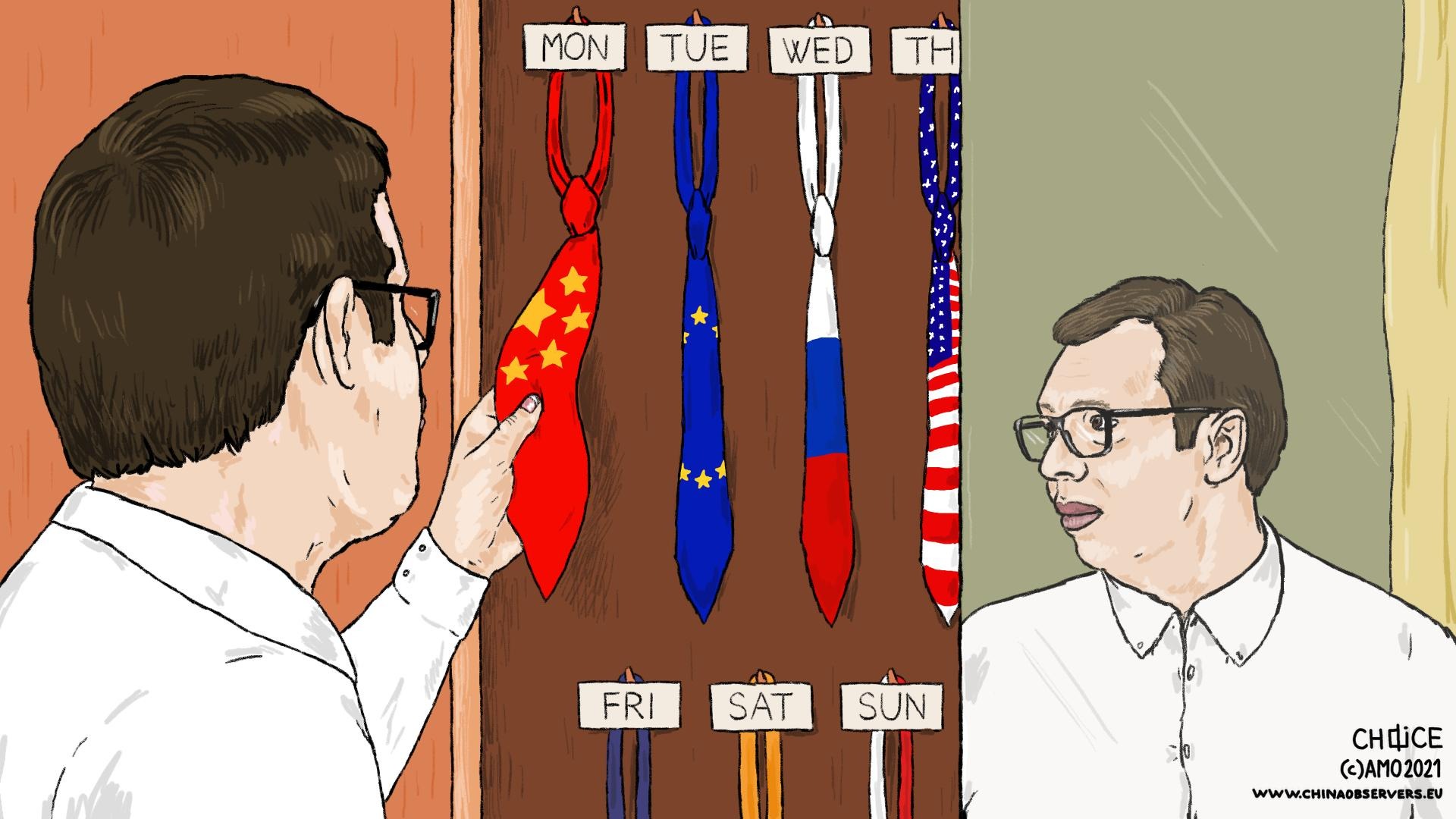
While some countries are tightening their approach and treating China primarily as a security challenge, others are maintaining pragmatic economic ties or actively seeking closer political and commercial engagement. The result is not regional convergence, but growing divergence – with China’s political importance changing faster in many countries than the underlying economic relationship.
The first Central and Eastern European China Policy Audit 2025–2026 maps these different trajectories across the region, covering developments from January 2025 to July 2026. It identifies five broad policy approaches – security-first skeptics, managed pragmatists, a transition case, political openers, and structurally constrained actors – while emphasizing that these are fluid political logics rather than fixed alignments. The audit shows that the key question is no longer whether a country is “for” or “against” China, but what role governments believe Beijing can play in their security, economic development, and broader foreign-policy strategy.