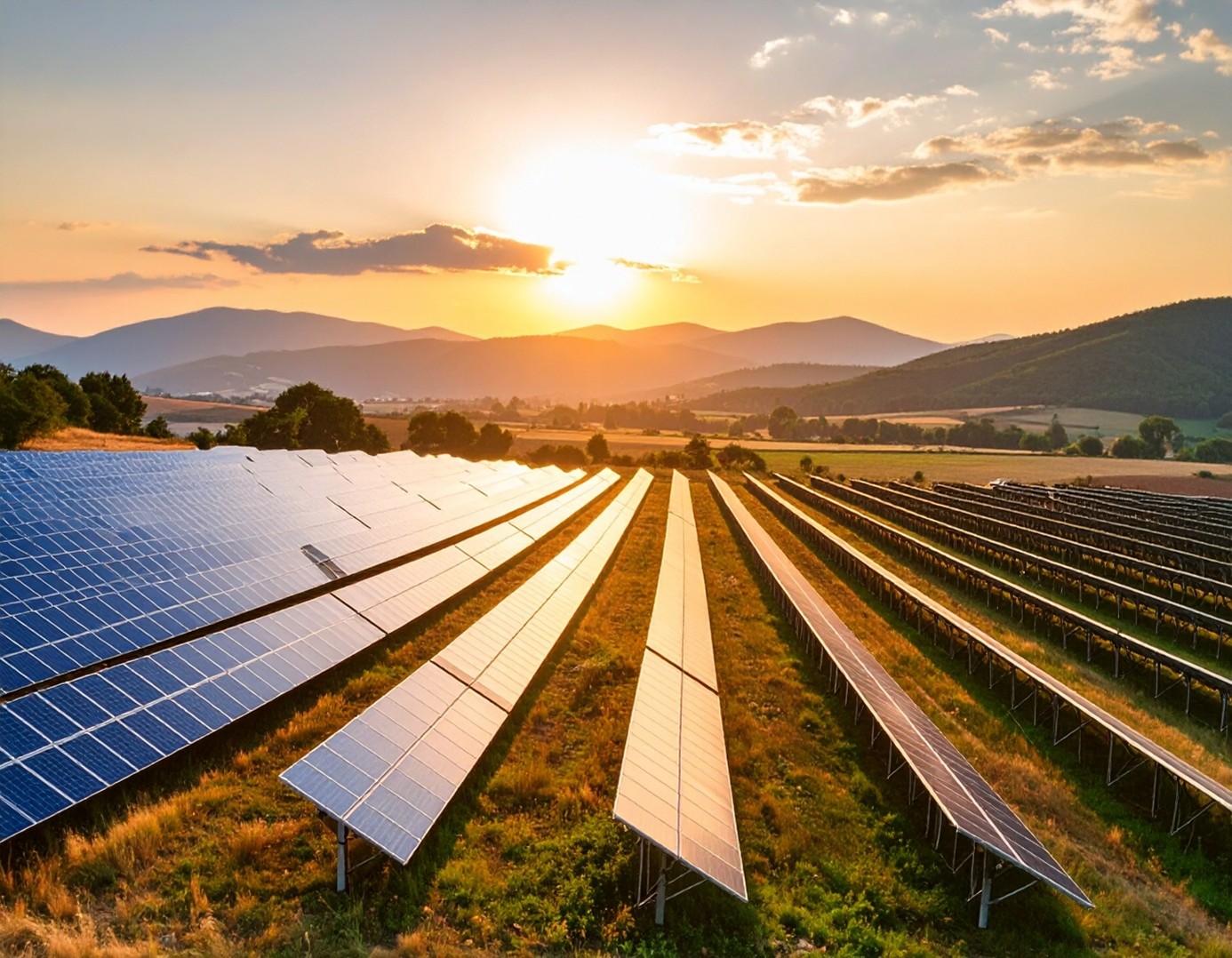
The south of Serbia is among the regions with the highest solar potential in the country, thanks to more than 2,000 hours of sunshine per year, a favourable climate, low building density and available open spaces. However, this potential is underutilized, mainly due to infrastructural, legislative, political and cultural obstacles. Although the "solar movement" existed in Serbia as early as the 1970s, current misinformation and lack of education have reduced public trust. The 2021 Law on the Use of Renewable Energy Sources allowed citizens to generate electricity for their own needs, but many people still do not believe that it is possible or consider the process to be complex and expensive. However, research confirms that cities such as Niš, Leskovac, Kuršumlija or Vranje have high solar potential, while photovoltaic systems have a low environmental burden and can contribute to a long-term sustainable energy transformation. The main obstacles therefore remain the outdated electricity grid, the lack of investment in infrastructure modernization, as well as the need to consider environmental impacts and, above all, the interests of local communities, as experts emphasize that the development of solar energy can start from the bottom up, from the initiatives of locals and communities. A successful energy transition in Serbia requires coordination, long-term planning and cooperation with local authorities so that the potential of the sun can be effectively used and bring concrete savings and environmental benefits.
The article by Vladislav Stojičić was originally published with the support of the project Enhancing the Capacities of Serbian Independent Media in Informing about the Green Transition Challenges by Rešetka.