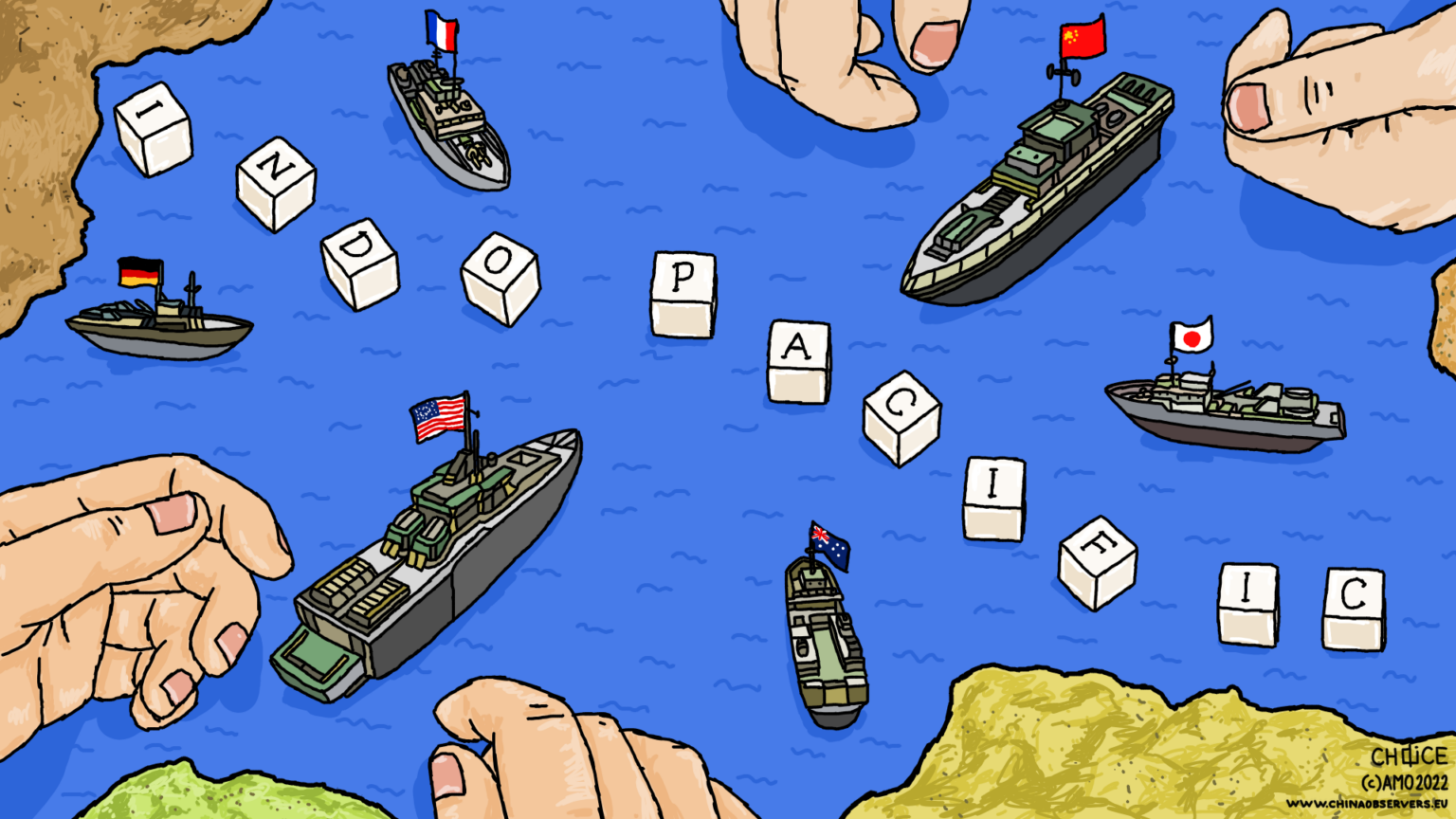
Despite their geographical distance, Eastern Europe and the Indo-Pacific are increasingly interconnected by common security challenges and economic interdependence. North Korea’s actions, which have included military support for the Kremlin’s efforts in Ukraine while simultaneously escalating its confrontational stance toward South Korea in the Indo-Pacific, are a striking example. This marks a worrying trend of increased cooperation between the “axis of adversaries,” the world’s most aggressive authoritarian states, with far-reaching implications for global security. In a briefing paper, authors Pavel Havlíček, Ivana Karásková, and Danila Naumov address both the relationship between two distant, yet very similar, regions and the lessons for both regions from Russia’s ongoing war in Ukraine.
Interlinked Instability: Central and Eastern Europe and the Indo-Pacific in a Changing Geopolitical Landscape
The world in 2025 has entered an era of increasing global instability and multilateral crises, characterized by the weakening of global institutions and a multilateral world order based on norms, rules, and principles. This decline has given way to a revival of realpolitik and geopolitical revisionism, espoused by some of the world’s leading powers. This dynamic is evident in the ongoing efforts of the Russian Federation and the People’s Republic of China to rewrite the rules of the international system, and more recently, in the explosive return of Donald Trump to world politics.
Download
Policy brief
Authors
Pavel Havlíček AMO Research Fellow Ivana Karásková Project Coordinator and AMO Research Fellow Danila Naumov Intern