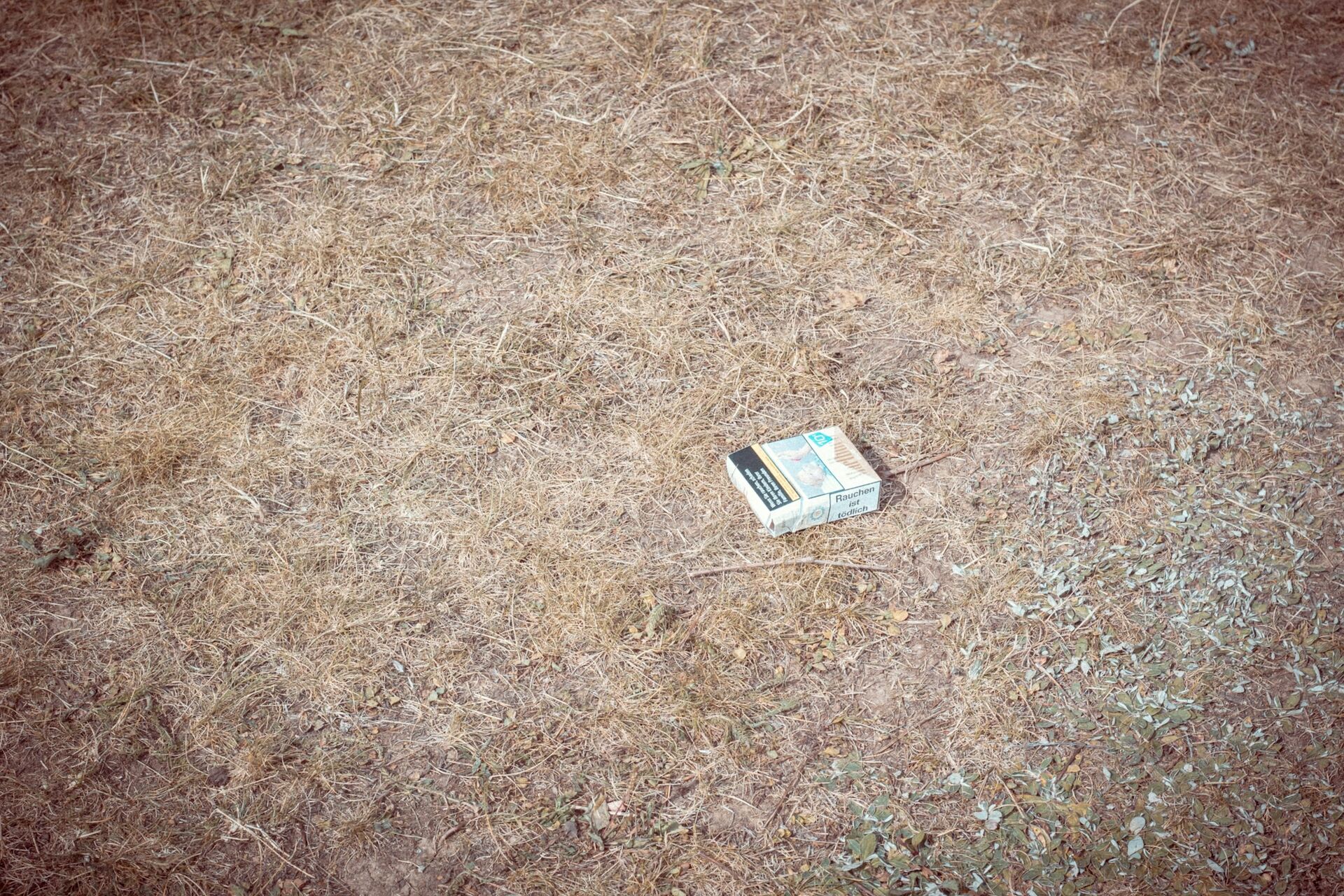
The “Naša kuća” initiative from Mirijevo in Belgrade is a unique project in which people with intellectual disabilities manually recycle cigarette packs and transform them into handmade paper. In this way, “Naša kuća” connects the circular economy with social inclusion and creates a dignified working environment for marginalized groups which is strengthening their integration into society. Although the annual processing of approximately 3.5 tones of packaging represents only a small part of the reduction in carbon dioxide emissions compared to Serbia’s total emissions, the project has significant symbolic value – it shows how a green transition can be fair, accessible and local based. The project also reveals systemic obstacles in Serbia, such as the lack of legislative support, rigid labor laws and the fact that both the public and institutions often do not recognize the value of such micro-initiatives. The support of organizations such as UNDP Serbia is therefore crucial. UNDP has not only provided financial and technical assistance but also helps to promote legislative changes. These efforts show that local and inclusive projects can be an important part of a broader sustainable transformation if they are given sufficient space and recognition. “Naša kuća” is an inspiring model of connecting environmental responsibility with social justice, while also highlighting the need for systemic change to achieve greater impact and long-term sustainability.
The article by Vladimira Dorčova Valtnerova was originaly published with the support of the project Enhancing the Capacities of Serbian Independent Media in Informing about the Green Transition Challenges by Storyteller. You can read the original version in Serbian here. An English translation is available here.