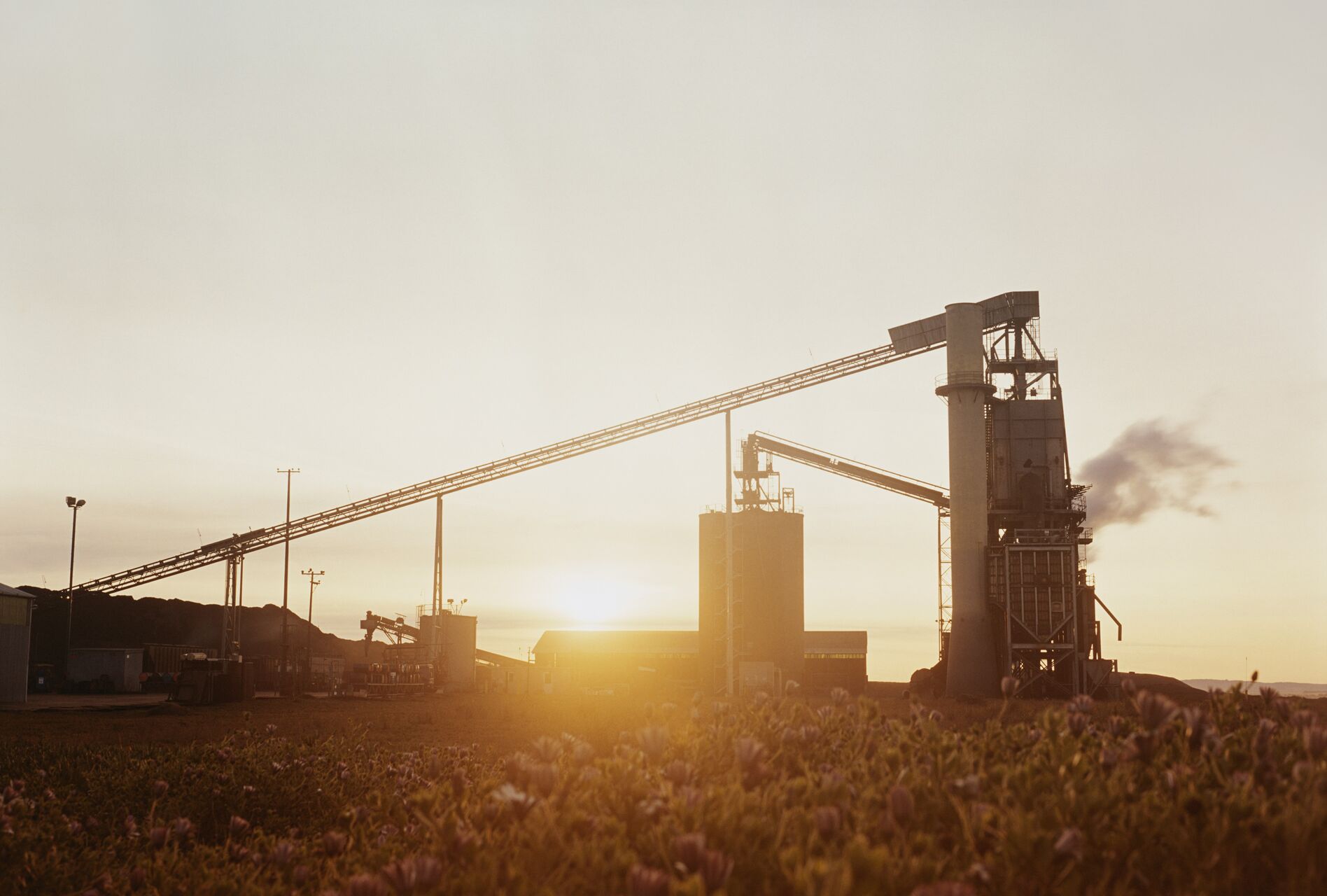
The transition from coal to renewable energy sources as part of Serbia’s green transition could threaten tens of thousands of jobs and entire communities that are economically dependent on income from mining and thermal power plants. In addition to job losses, a large part of the population already faces energy poverty – around ten percent of households do not have enough heat in their homes and a quarter cannot pay their bills regularly. Without strong social support, planning and investment in new jobs, the green transition could further deepen inequalities.
The biggest obstacles are distrust in institutions, lack of information and unclear state plans. The Action Plan for a Just Transition adopted by the government in 2018 does not contain concrete measures and largely depends on decisions by the Serbian Electric Power Company, which is why civil society organizations are calling for a new plan with the involvement of local communities.
The closure of mines and power plants is particularly affecting men who are losing stable jobs, but also women who often work in precarious jobs and young people who are increasingly moving to larger cities. Without systemic support, entire regions may be left without a future.
Trust is further undermined by small hydropower projects and plans for lithium mining in the Jadra Valley, presented as “green” but in reality harmful to nature and local communities. Experience shows that a just transition can only be achieved if it is planned in time, provides financial resources for social security and allows for the participation of citizens, unions and the professional community. Then the closure of thermal power plants may not mean a loss, but a chance for a healthier and fairer society.
The article by Anja Anđušić was originally published with the support of the project Enhancing the Capacities of Serbian Independent Media in Informing about the Green Transition Challenges in the printed version of the magazine Liceulice.