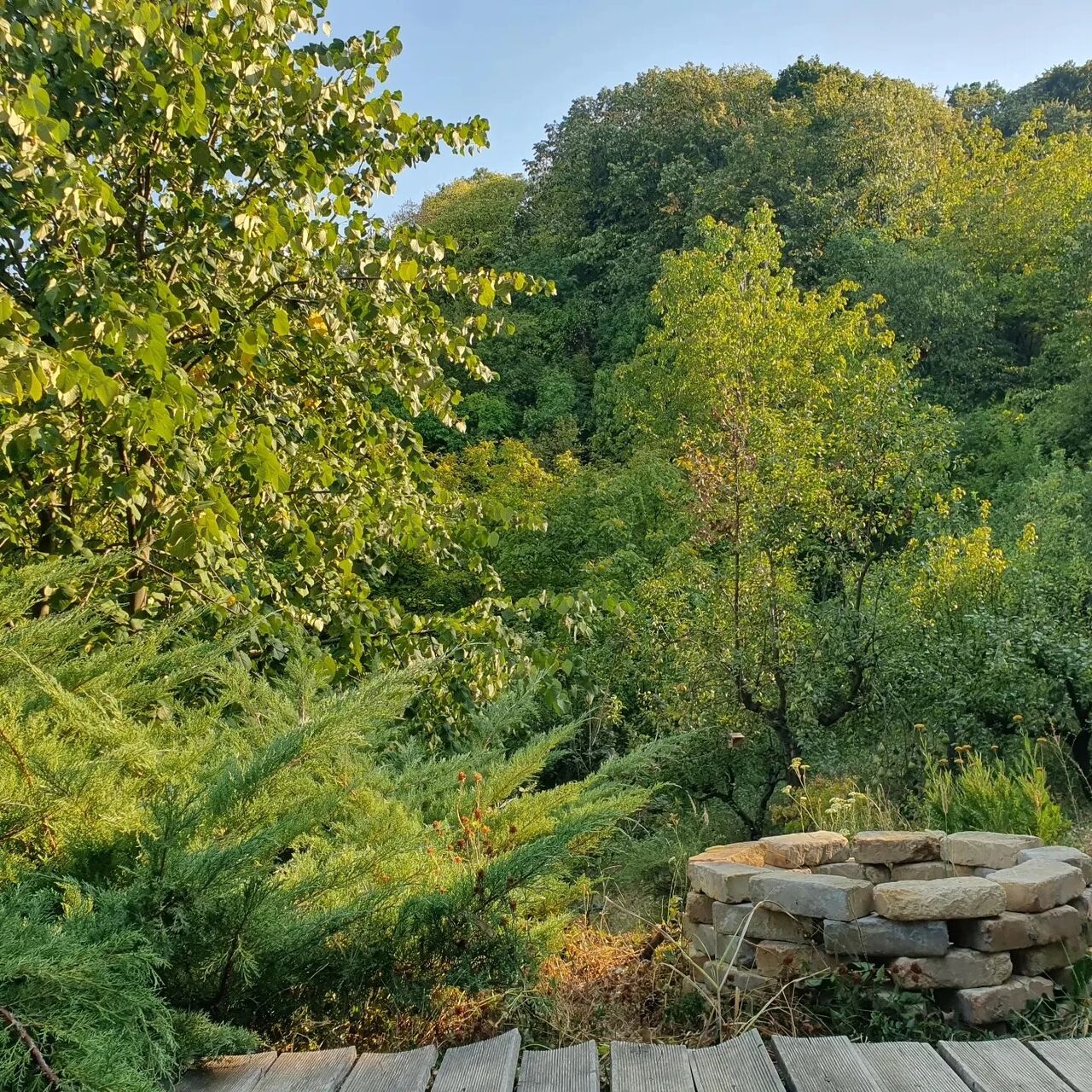
Grey water – household wastewater that does not contain faeces – represents a large, still underutilised source of water. After simple treatment, such as filtration and disinfection, greywater can be used for flushing toilets, watering gardens, irrigating crops or even for industrial use, which can contribute to saving drinking water and also relieve the sewage system or make black water (i.e. water with faeces) treatment more efficient. While such systems have been used for a long time in the world, from Australia to Singapore, Serbia lacks not only appropriate public policies but also infrastructure, since even the capital city has no wastewater treatment facilities. However, examples from households show that greywater can also be treated using natural methods – for example, using reeds, mechanical filters and careful spreading in the garden, without chemicals or expensive equipment. Such systems not only save water, but also enrich the soil, reduce pollution and allow for a connection with nature. Anyway, activists point out that technical solutions are not enough – a change in approach towards responsible water use and control of major polluters is needed. Greywater separation and rainwater harvesting can be small but significant steps towards sustainable water management and climate change adaptation. Serbia has the potential to implement similar solutions, but this requires a combination of improved environmental education, legislative changes, investment in sustainable solutions and, above all, the involvement of individuals.
The article by Katarina Drobac was originally published with the support of the project Enhancing the Capacities of Serbian Independent Media in Informing about the Green Transition Challenges in the printed version of the magazine Liceulice.