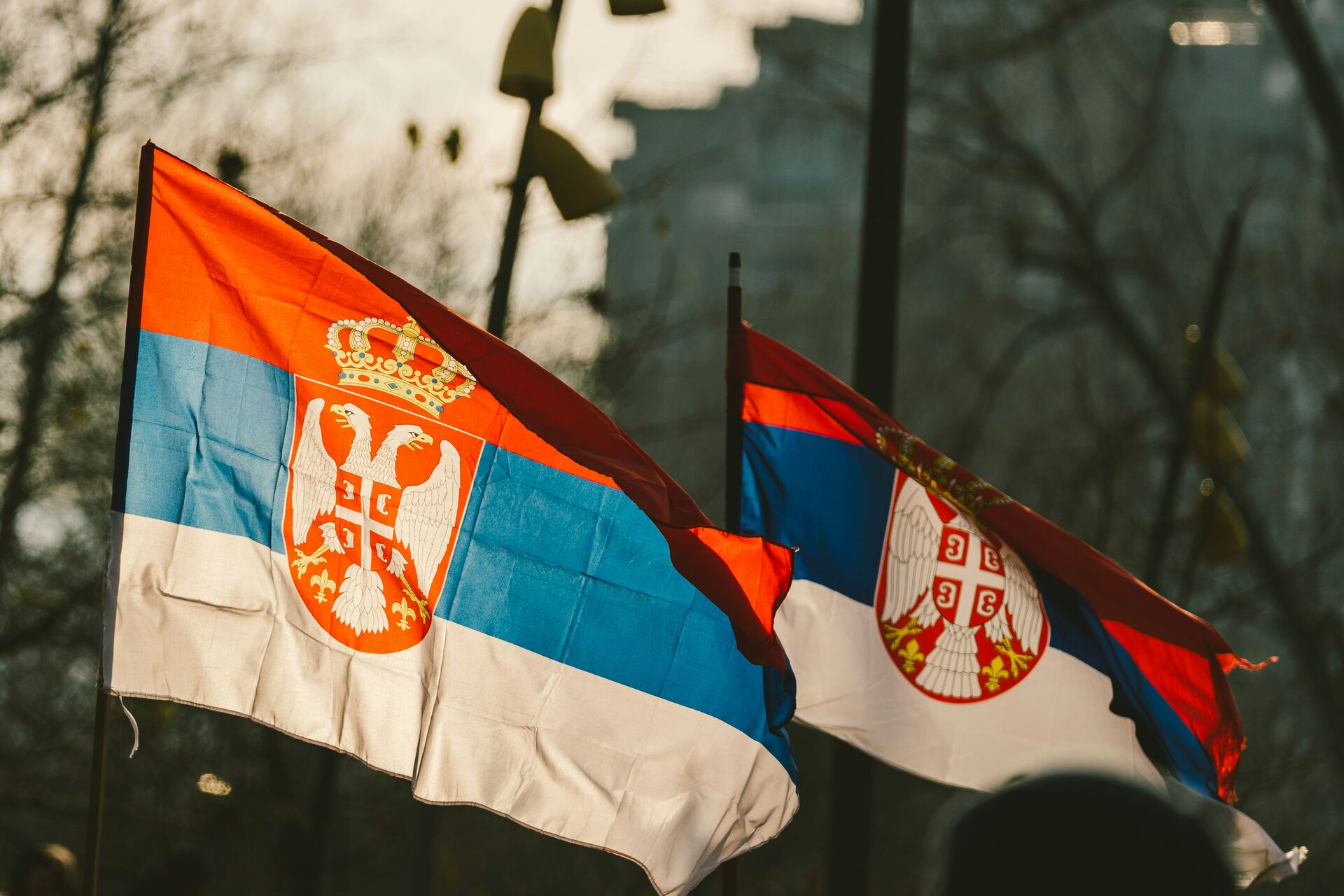
Although the "Serbian World" does not constitute an official state doctrine, the concept functions as a strategic narrative that legitimises and structures Serbia’s engagement with these communities. It builds upon Serbia’s long-standing regional ambitions and policies. Many of the instruments used in this context - such as references to the protection of Serbian communities and minority rights - draw on established practices of Serbian foreign policy but are increasingly articulated through the broader narrative of the “Serbian World”.
Within this framework, Belgrade seeks to maintain political leverage in neighbouring countries with significant Serb populations and to shape domestic political dynamics there. While such activities are often justified by reference to the legitimate protection of Serbian communities, in some cases this approach may also contribute to slowing or complicating Euro-Atlantic integration processes, while allowing Serbian authorities to preserve plausible deniability and avoid formal breaches of international law.
Drawing on four country reports prepared by partner organisations in the region (Bosnia and Herzegovina, Kosovo, Montenegro, and Serbia), as well as complementary policy-oriented recommendations from structured debates with local and international stakeholders, this policy paper presents findings from a year-long project mapping the Serbian regional influence. It argues that Serbian regional influence warrants close attention - not because cross-border engagement is inherently problematic, but because its cumulative effects in certain contexts contribute to the erosion of democratic political processes, the instrumentalisation of ethnic identity, the weakening of state sovereignty, and persistent security risks across the region. These dynamics are further amplified by internal vulnerabilities and weak governance within Western Balkan states, as well as by inconsistent European Union engagement.
This publication was supported by the governments of Czechia, Hungary, Poland and Slovakia through Visegrad Grants from the International Visegrad Fund.