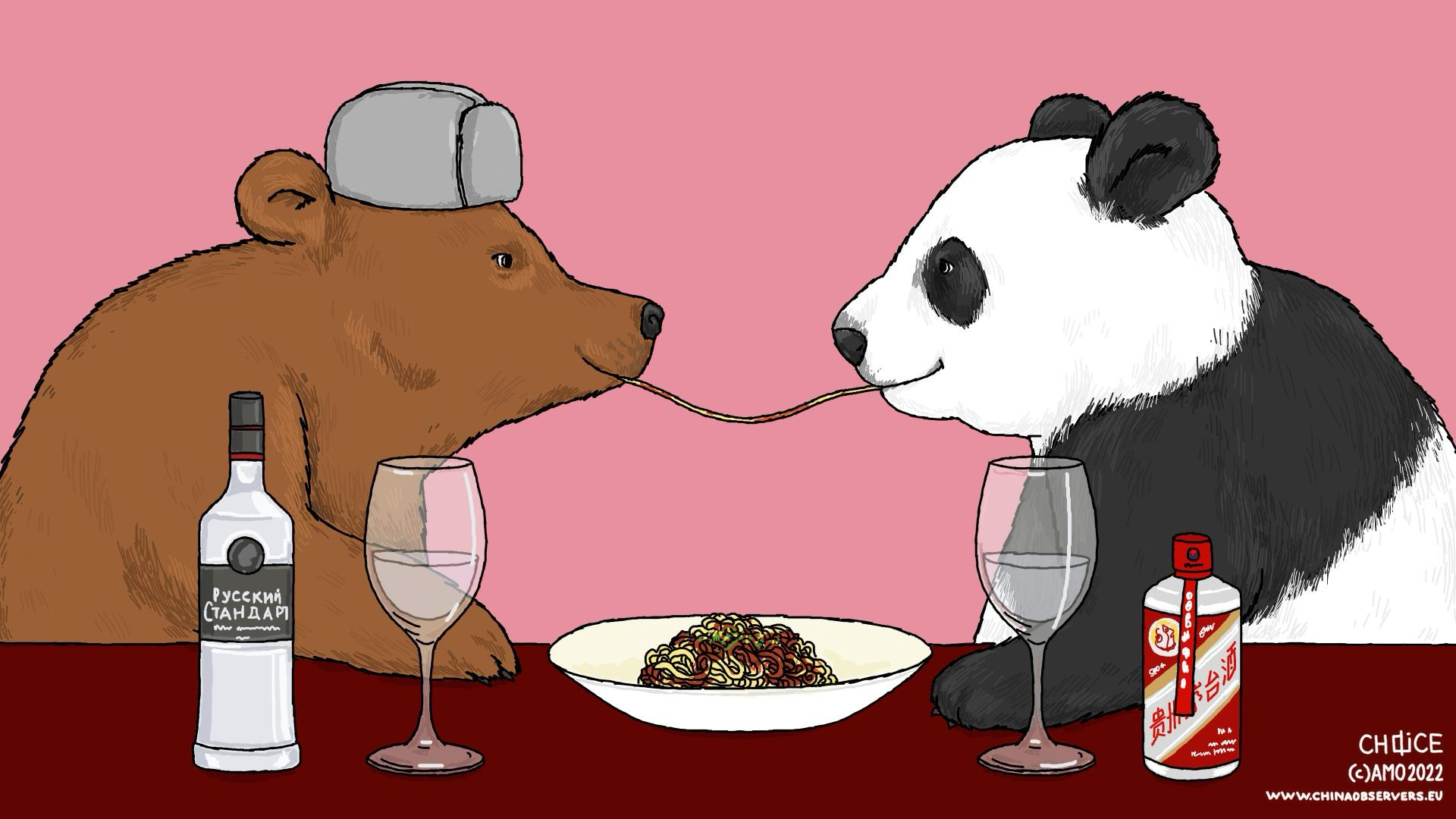
This publication examines China’s strategic thinking under Xi and the implications for Europeans as they face prolonged war by Russia on their own continent. The paper considers how Beijing may be operationalising officially approved thinking in practice in its relationship with Moscow. Although the exact motivations behind Chinese authorities’ decision-making are hidden within something of a black box, foreign policy in the era of Xi appears to follow a “securitisation of everything” paradigm. This is evident in government policy, but also within what is permitted discussion among Chinese academics; and, crucially, in the level and nature of support China extends to Russia.
China’s international stance is orientated towards what the Chinese political leadership has identified as a strategic rivalry with the US. All else pales in comparison to this, and China views its interactions with other countries through this prism. In terms of how this affects Europe, it means that China is likely to view the Russian relationship as its most important. In 2025, this means helping it wage its war on Ukraine, with all the ramifications this has for Europeans. Importantly, the constancy of this Chinese support will encourage Russia to persist with its aggression.
This paper thus considers the consequences this has for European security and argues Europeans should use this understanding to shape their China policy. It examines Chinese thinking under Xi, suggests that the extensive practical help given to Russia by China is a logical consequence of this worldview, and offers three “scenario exercises” for policymakers to consider how China might respond if Russia wins, loses or experiences neither clear victory or defeat. Finally, it proposes a number of ways Europeans can change their approach towards Beijing.