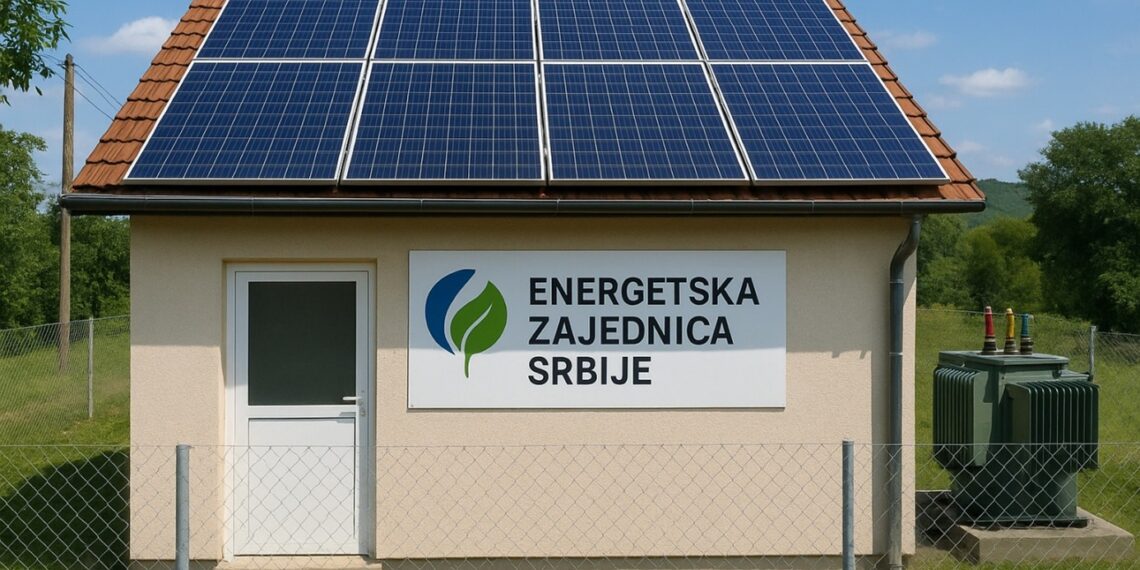
Energy communities open up a new opportunity for the democratization of the energy system and the empowerment of local communities in southern Serbia. Their value lies not only in electricity generation, but also in solidarity, decentralization and redistribution of profits to socially beneficial projects. The principle of “one member – one vote” ensures democracy and fair participation of citizens, businesses and institutions. Although the legal framework for the creation of communities was introduced in 2024, the biggest challenge now is to remove bureaucratic obstacles and harmonize with tax laws so as not to repeat the mistakes of the producer-consumer system. However, there are already examples of good practice – the energy cooperative “Elektropionir” installed the first cooperative solar power plant in Stara Planina or the “Solar Harvest” project, which demonstrates the potential of combining agriculture and renewable energy sources. The energy transformation in Serbia is based on four pillars: decarbonization, decentralization, democratization and digitalization. In the south of the country, where living standards are lower, energy communities could reduce energy poverty and create local support mechanisms. European experience shows that this model is sustainable – there are already almost 10,000 energy communities in the EU. Serbia now has the opportunity to turn energy into a tool for development, solidarity and greater security for its citizens.
The article by Vladislav Stojičić was originally published with the support of the project Enhancing the Capacities of Serbian Independent Media in Informing about the Green Transition Challenges by Rešetka.