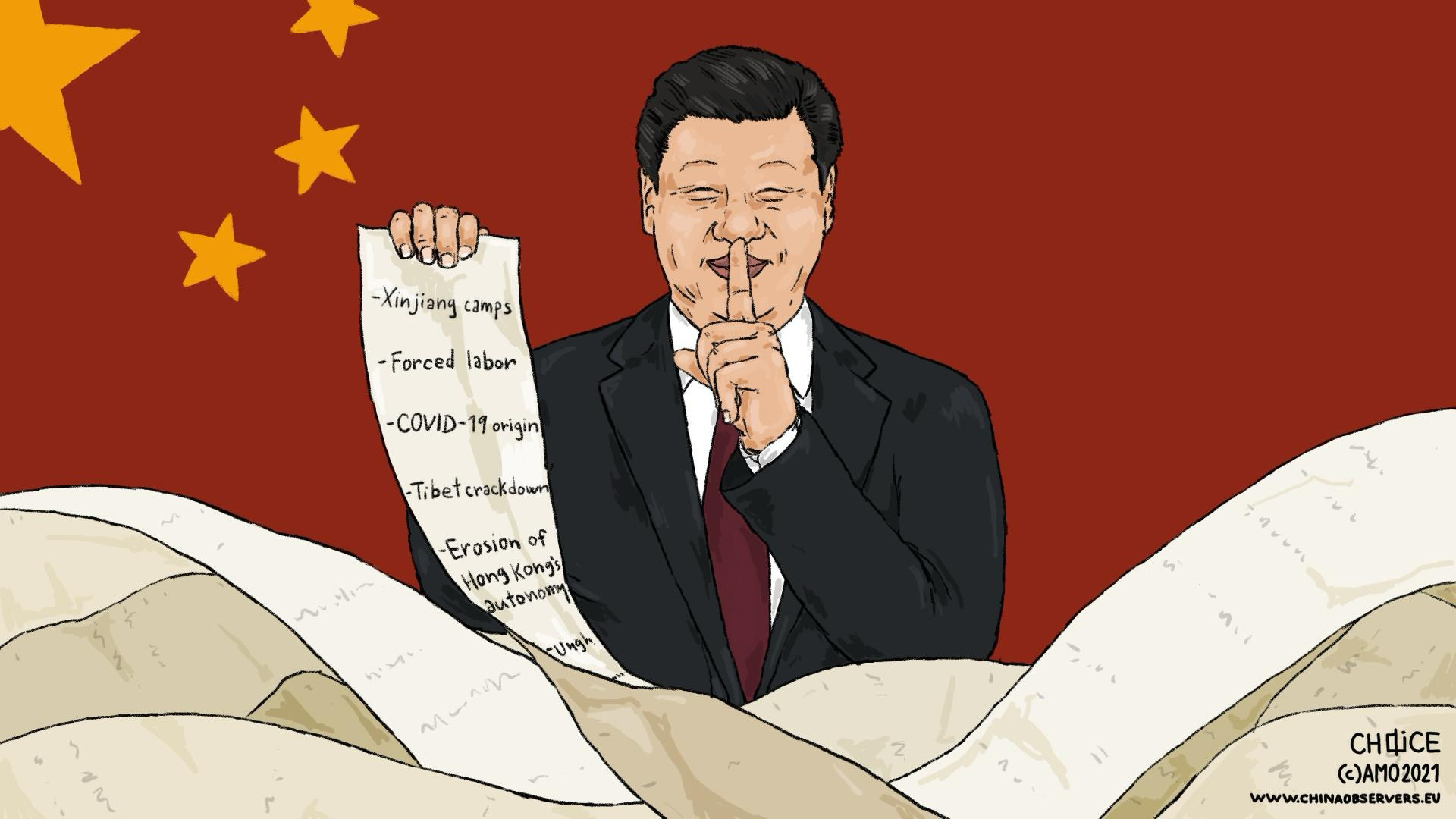
Over a decade ago, alarm bells began to sound at Beijing’s growing ties with po- litical and business elites in central and eastern Europe, which it pursued through platforms such as the “16+1”. In response, academics and experts in the region began to map Chinese foreign information manipulation and interference (FIMI). This policy brief draws on the work carried out over the last ten years and describes the types of approach adopted in Chinese FIMI, the actors involved, the behaviours they exhibit, the content they promote, the audiences they target and the effects these activities generate. The paper argues that Beijing possesses a coherent influence toolkit which it is able to use in different countries. Many people in central and eastern Europe – in think-tanks, among academics and some politicians – are well versed in the nature, scale and impact of Chinese FIMI. It is now possible to understand China’s FIMI playbook, which it may also be using in other parts of Europe.

The international chaos unleashed by President Donald Trump during his sec- ond term has created a temptation across European capitals to look at China more favourably. But Beijing’s policies have not changed, and most of its strategic choices remain detrimental3 to European security and prosperity. China’s sustained economic and diplomatic support for Russia is a case in point, as are the impacts of Beijing’s in- dustrial policy (overcapacity4 in particular) and the Chinese threat to Europe’s remain- ing industrial base. Learning from the experience of Chinese FIMI in central and eastern Europe can help European decision-makers mount an EU-wide response to the subtle but determined challenge they face from China in these fundamental areas.