Conference on Czech Eastern Policy 2026
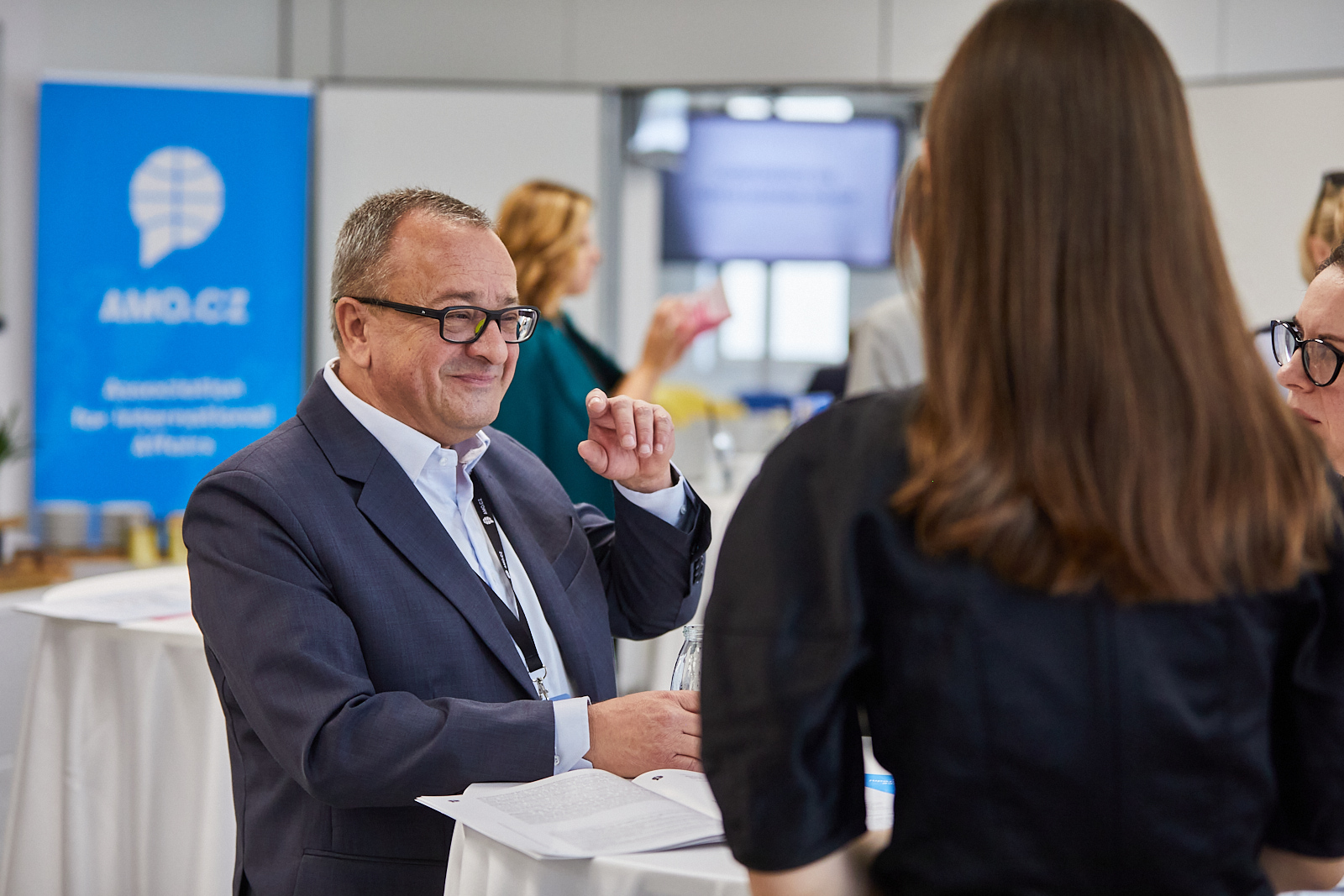
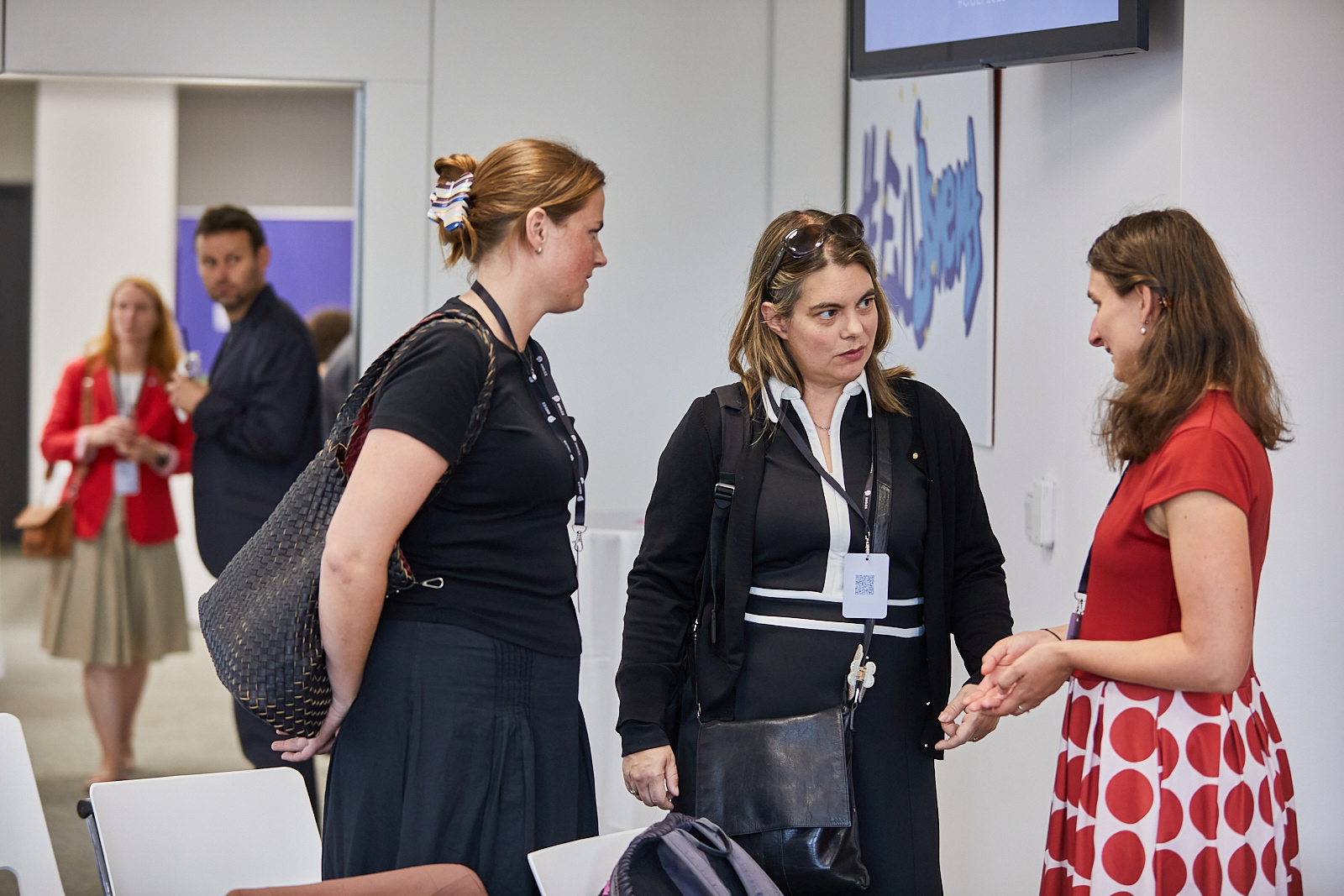
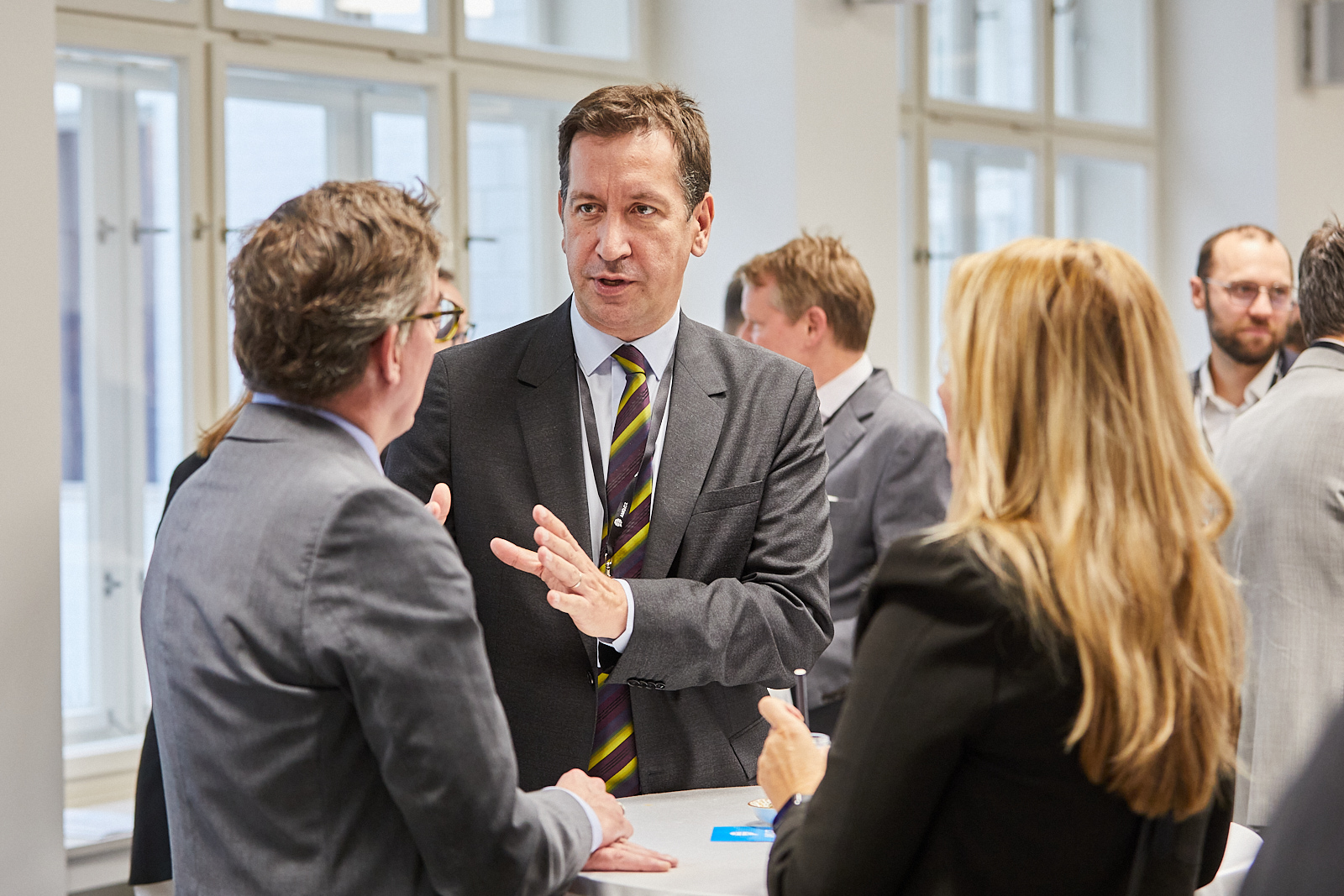
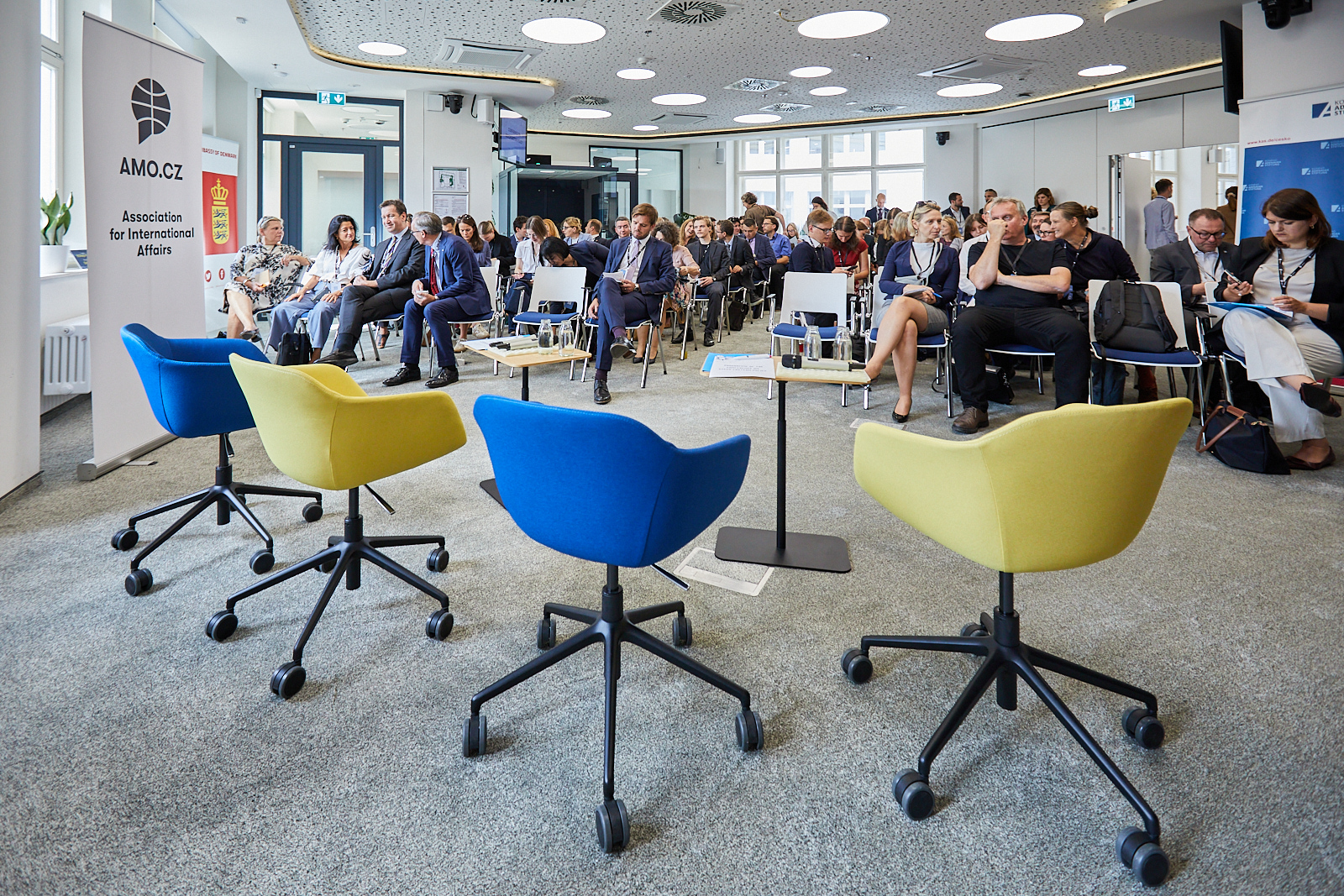
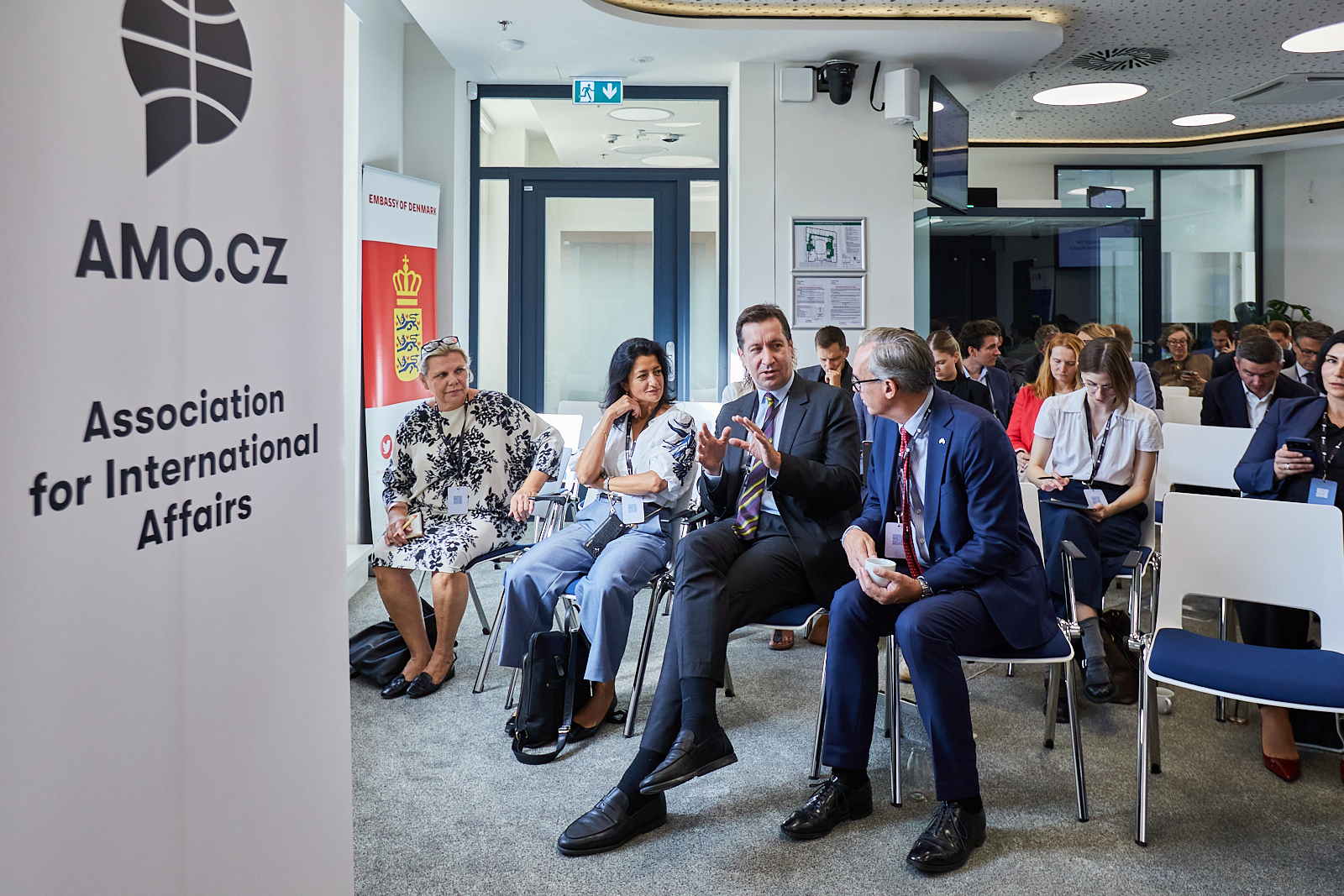
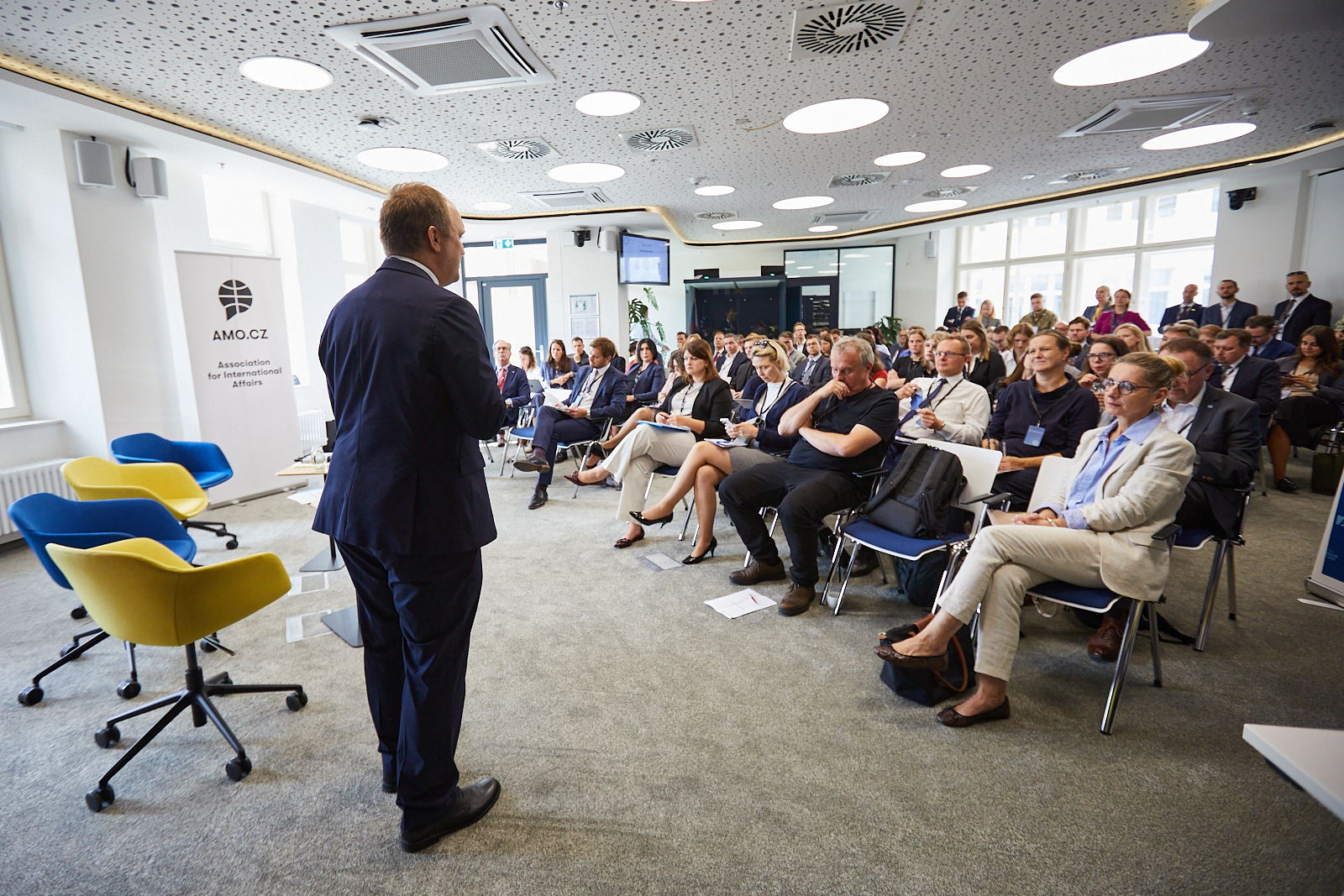
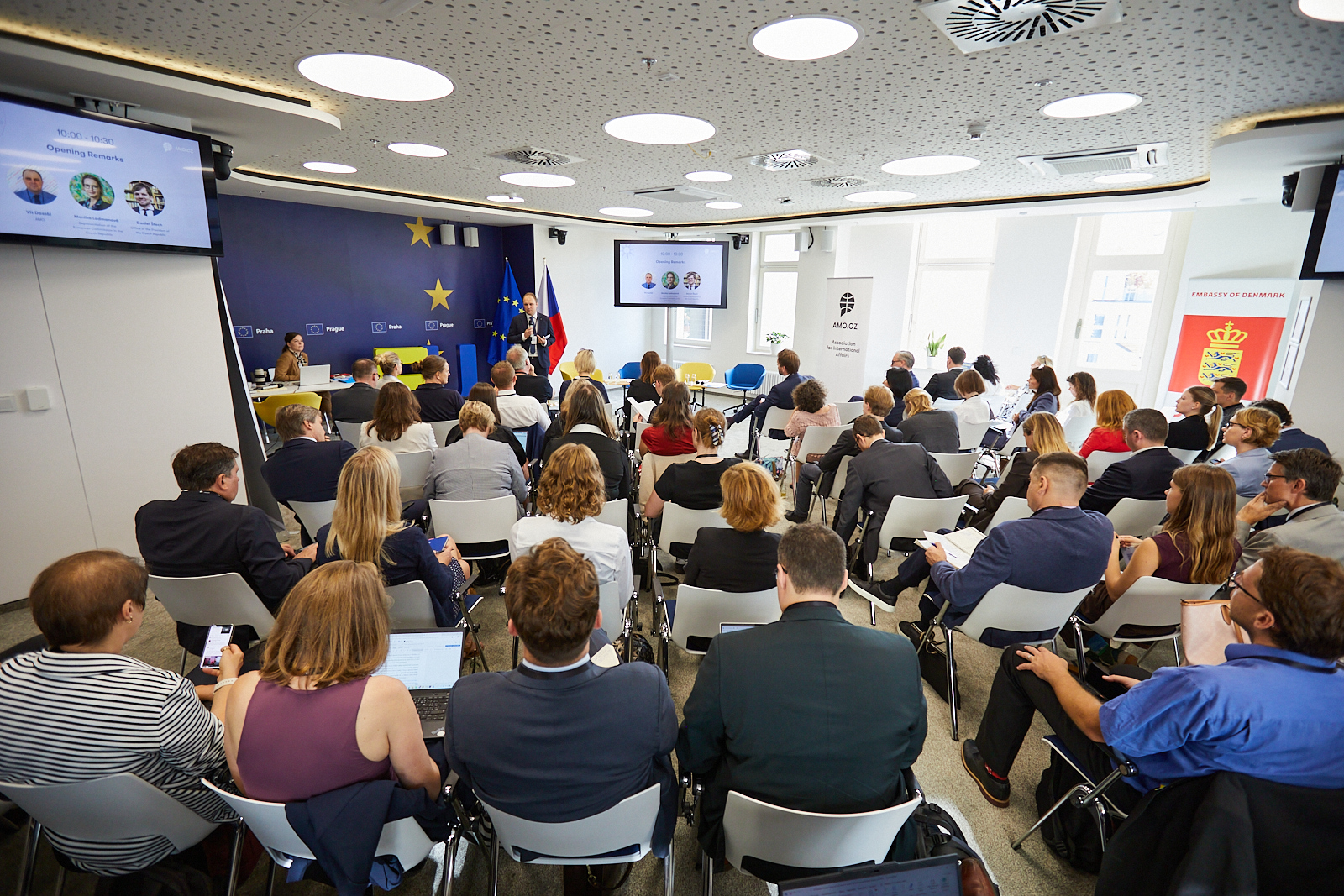
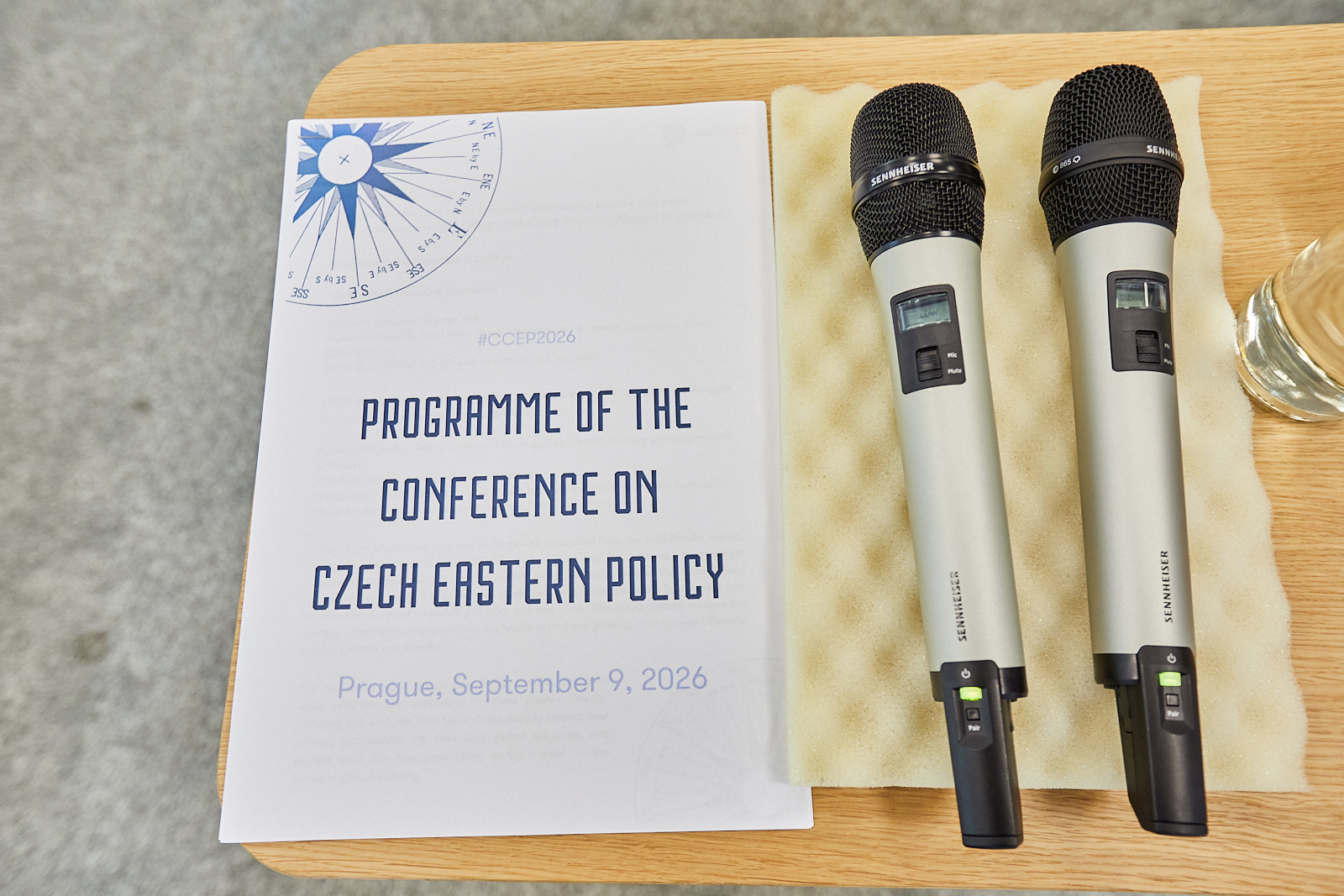
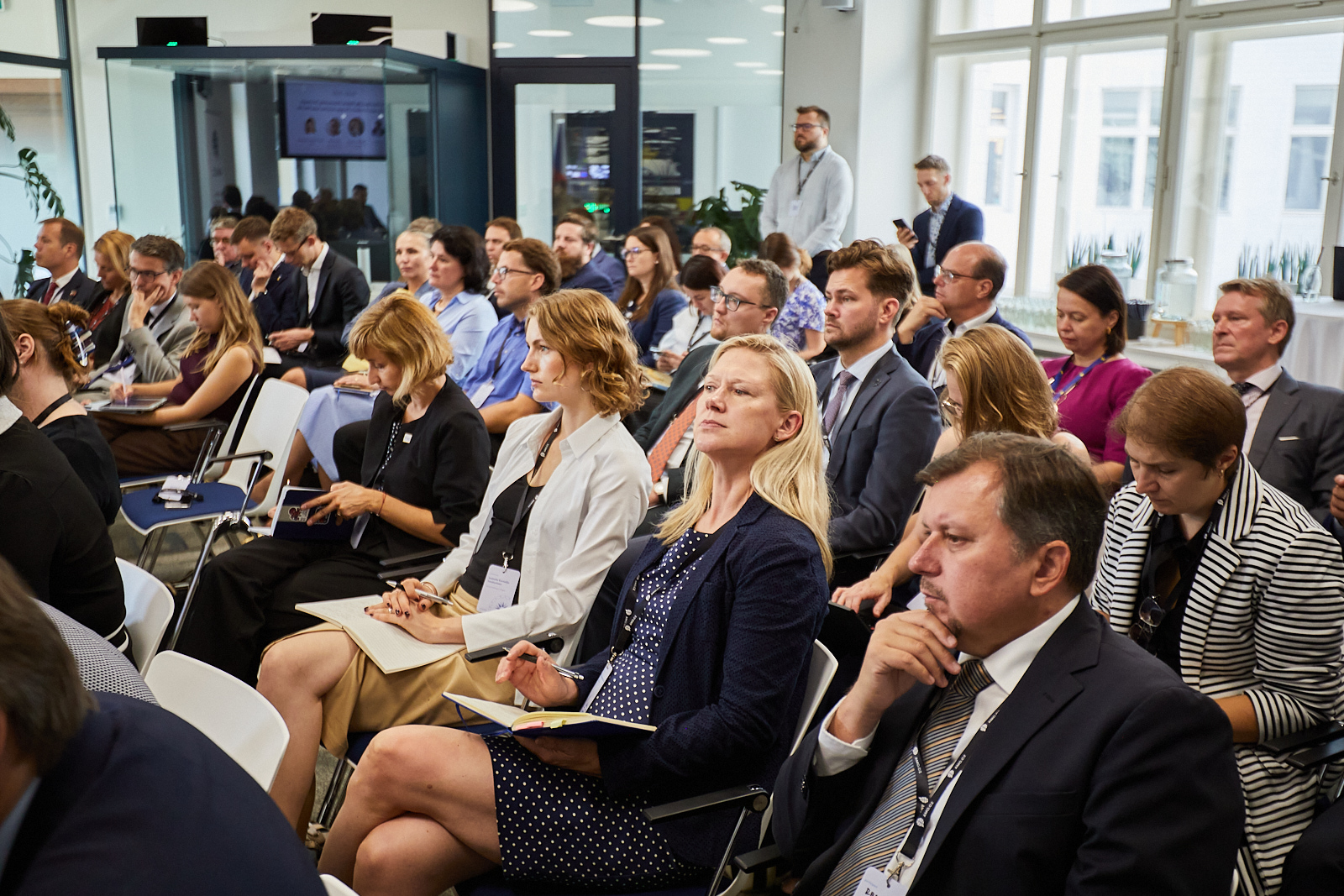
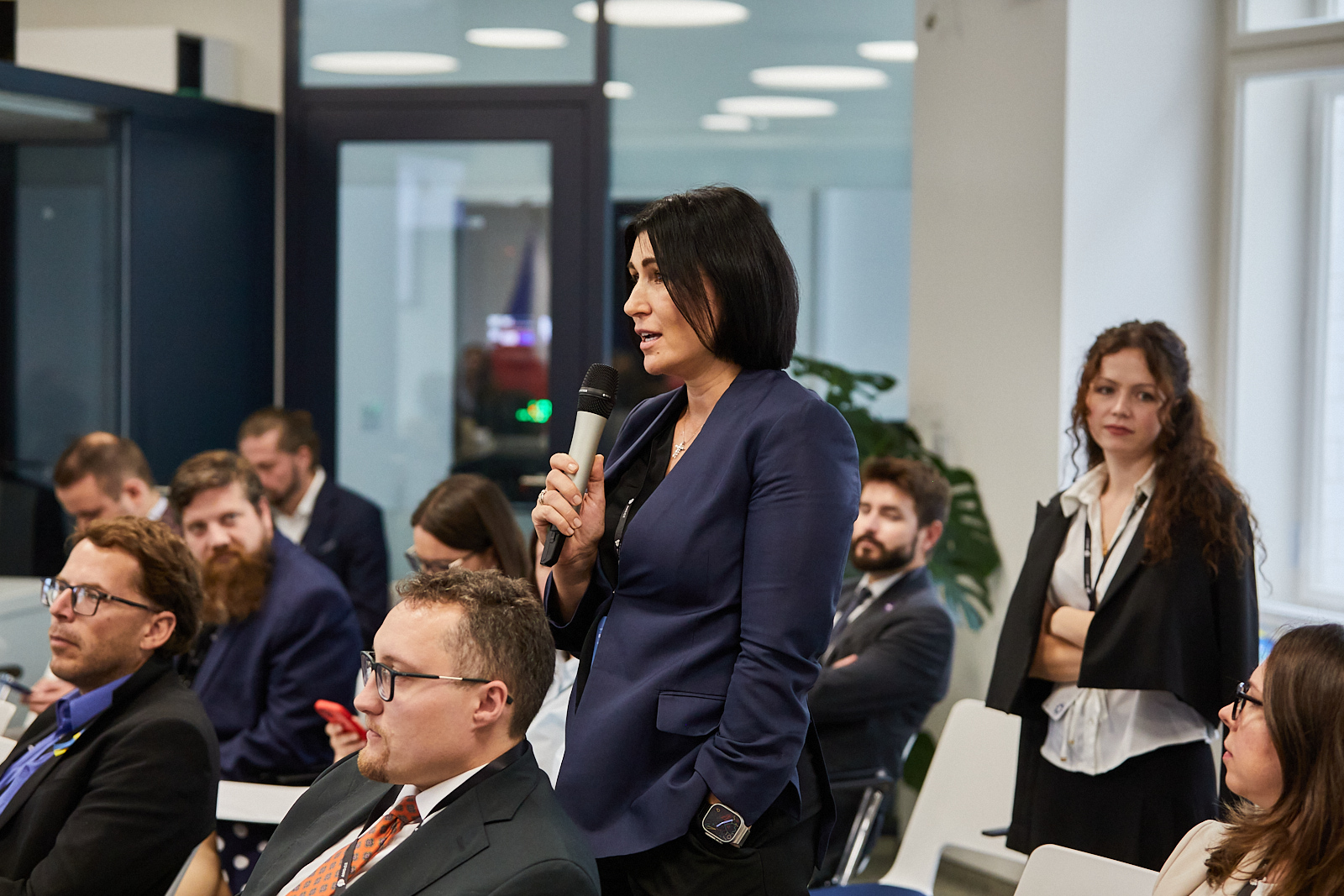
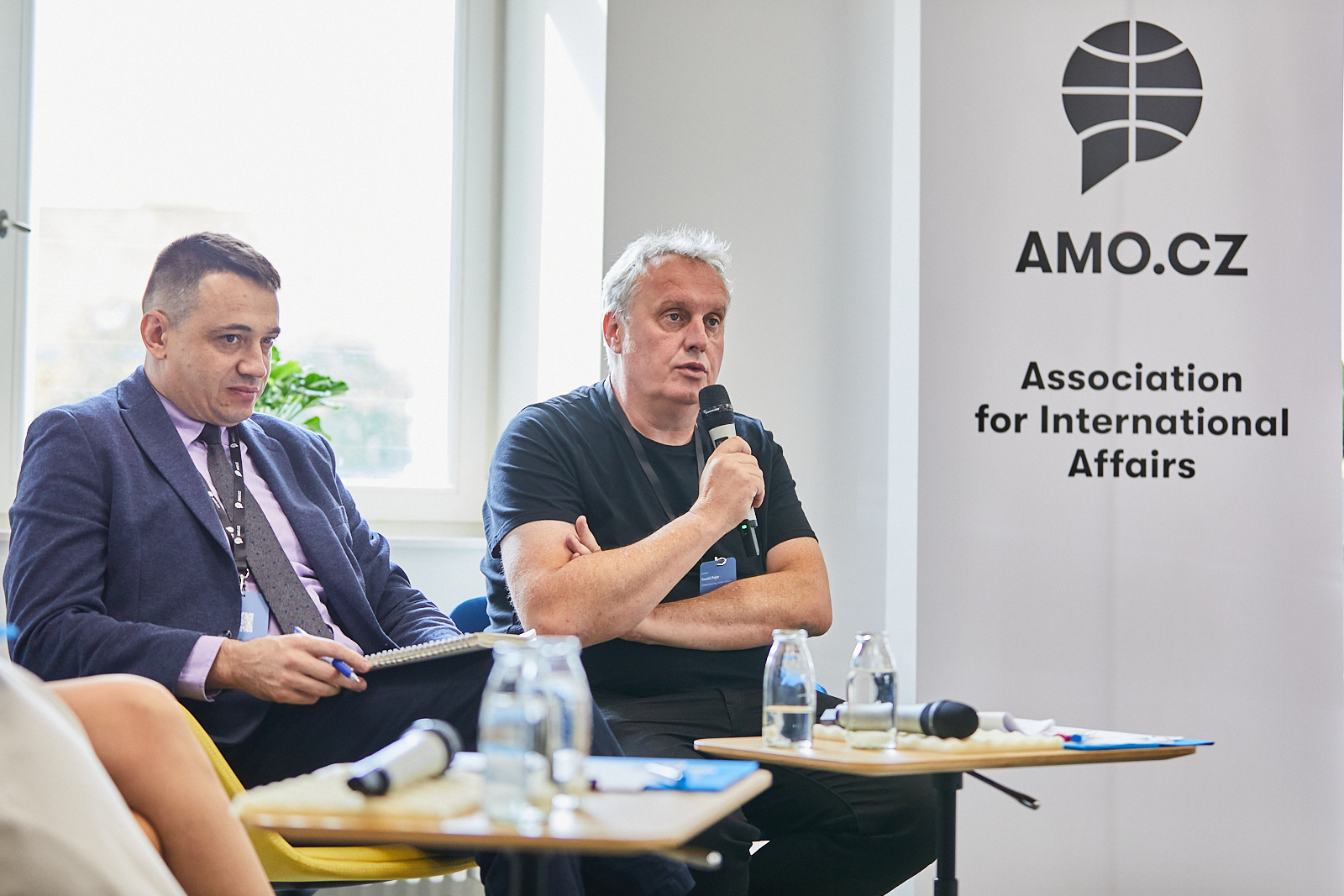
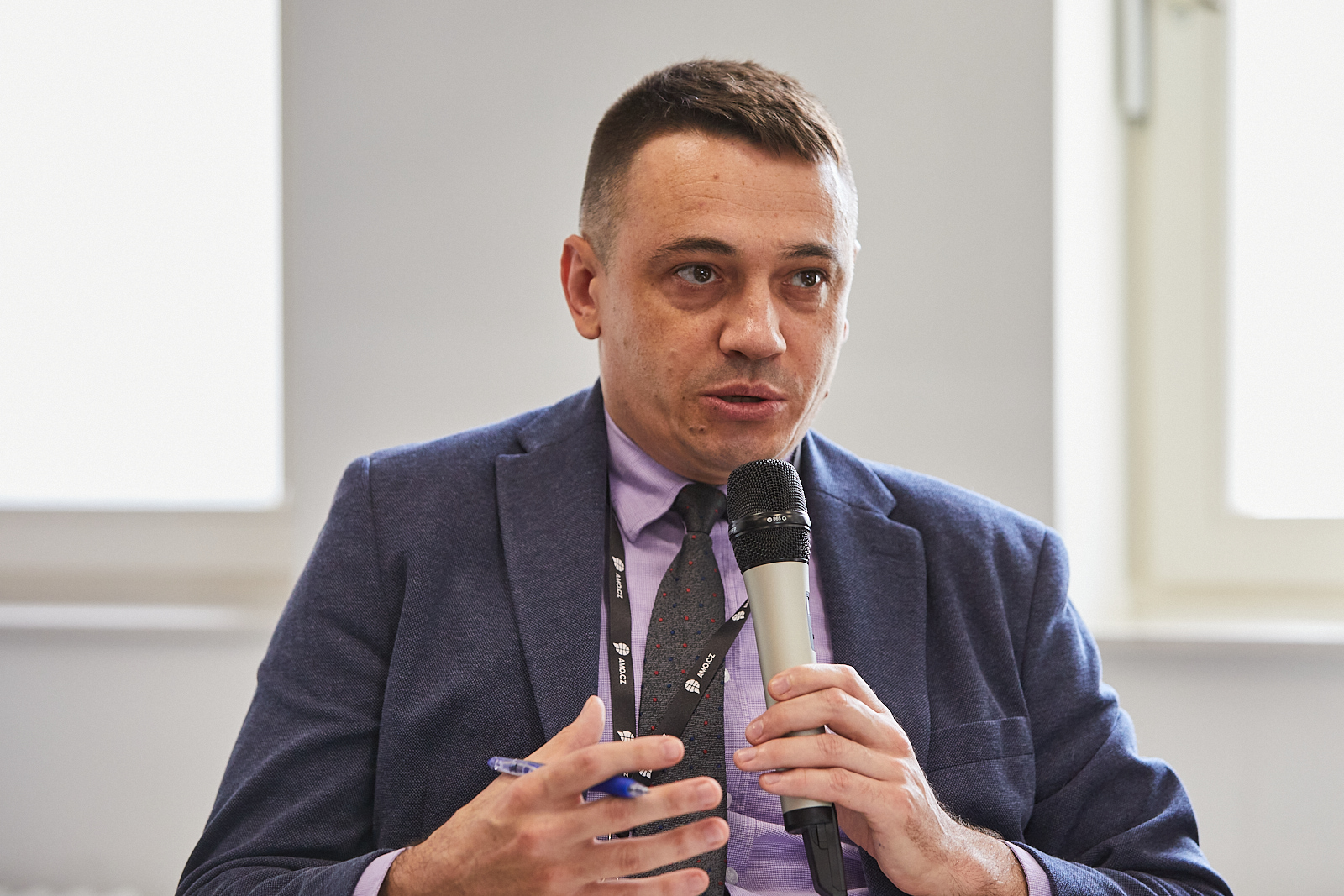
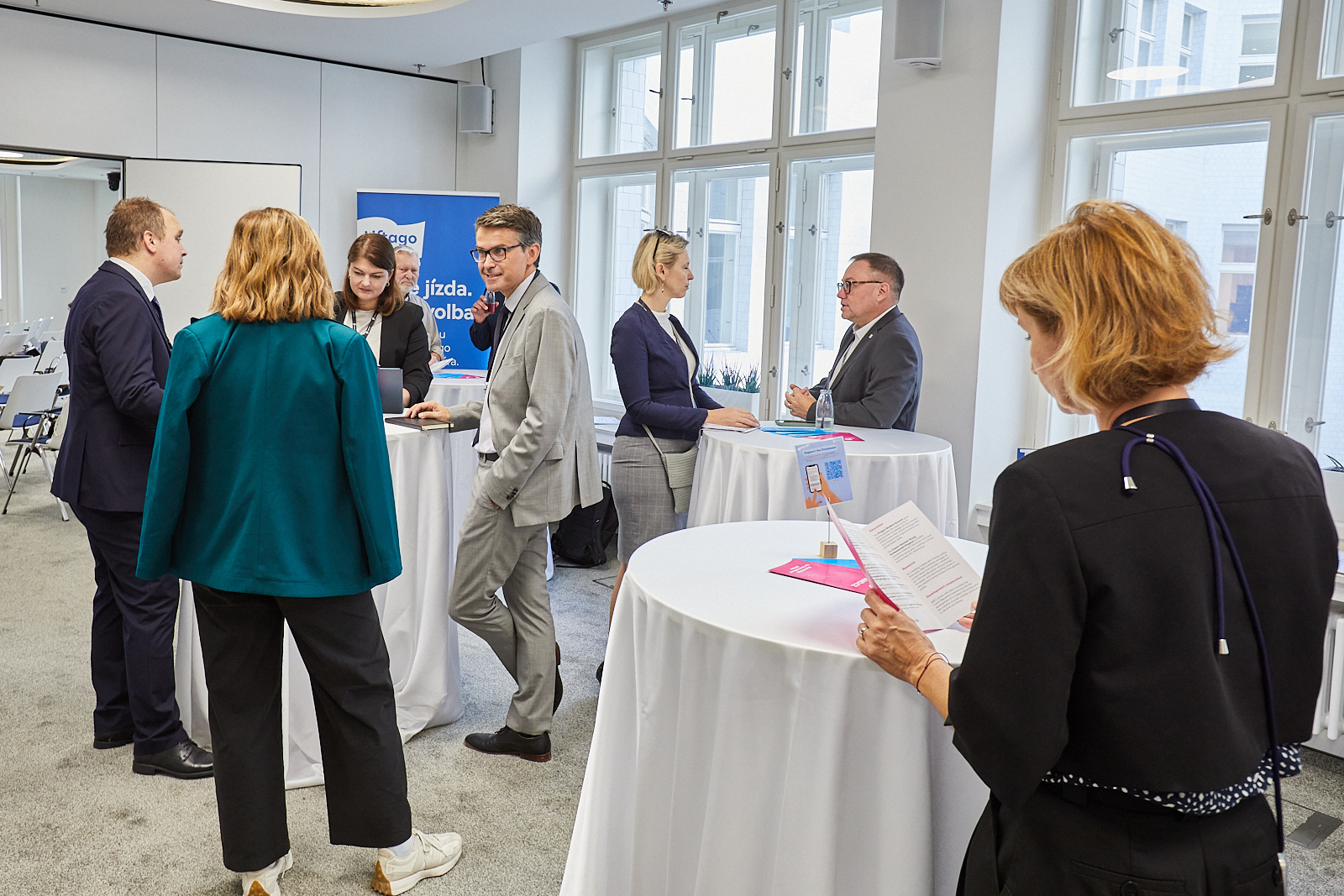
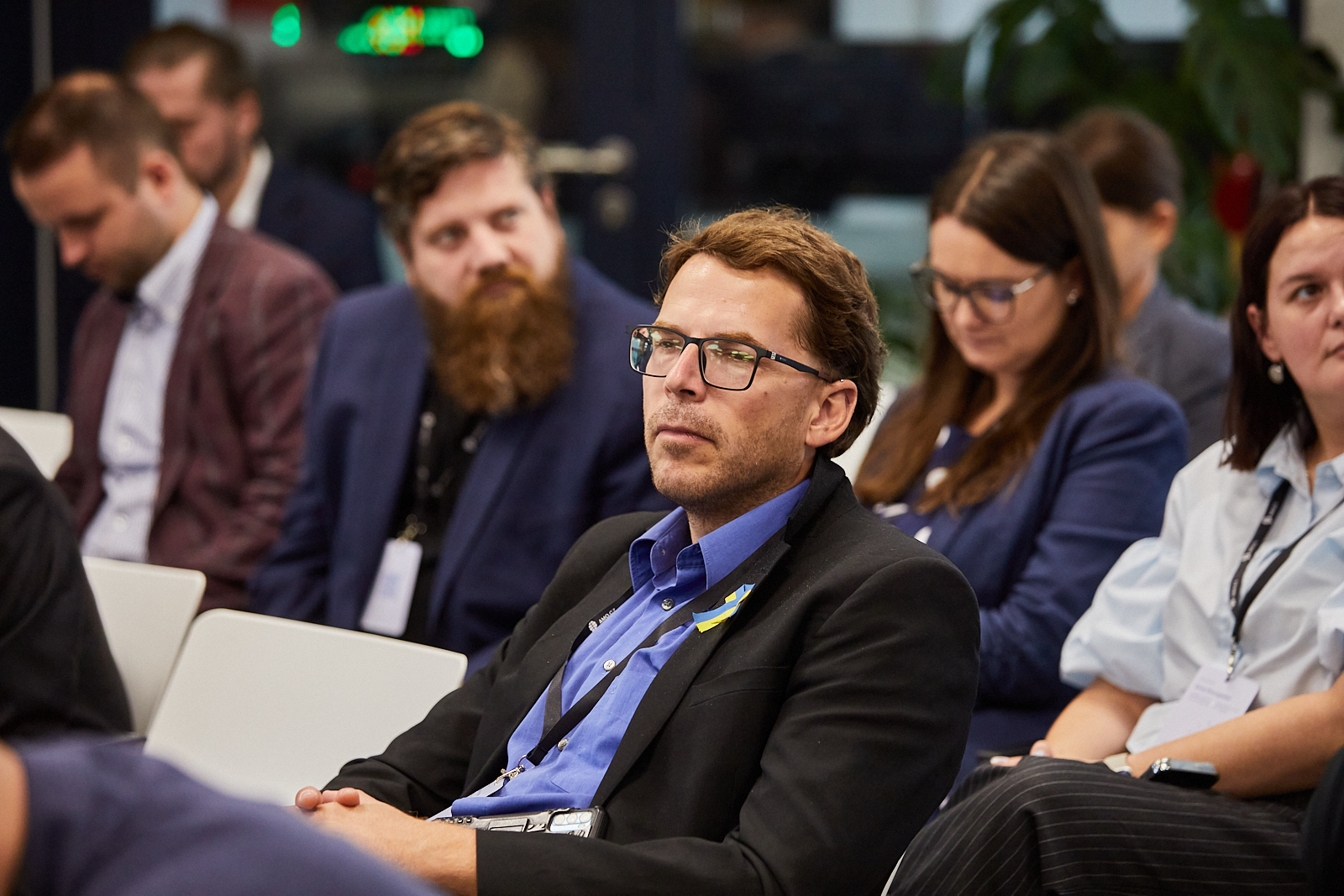
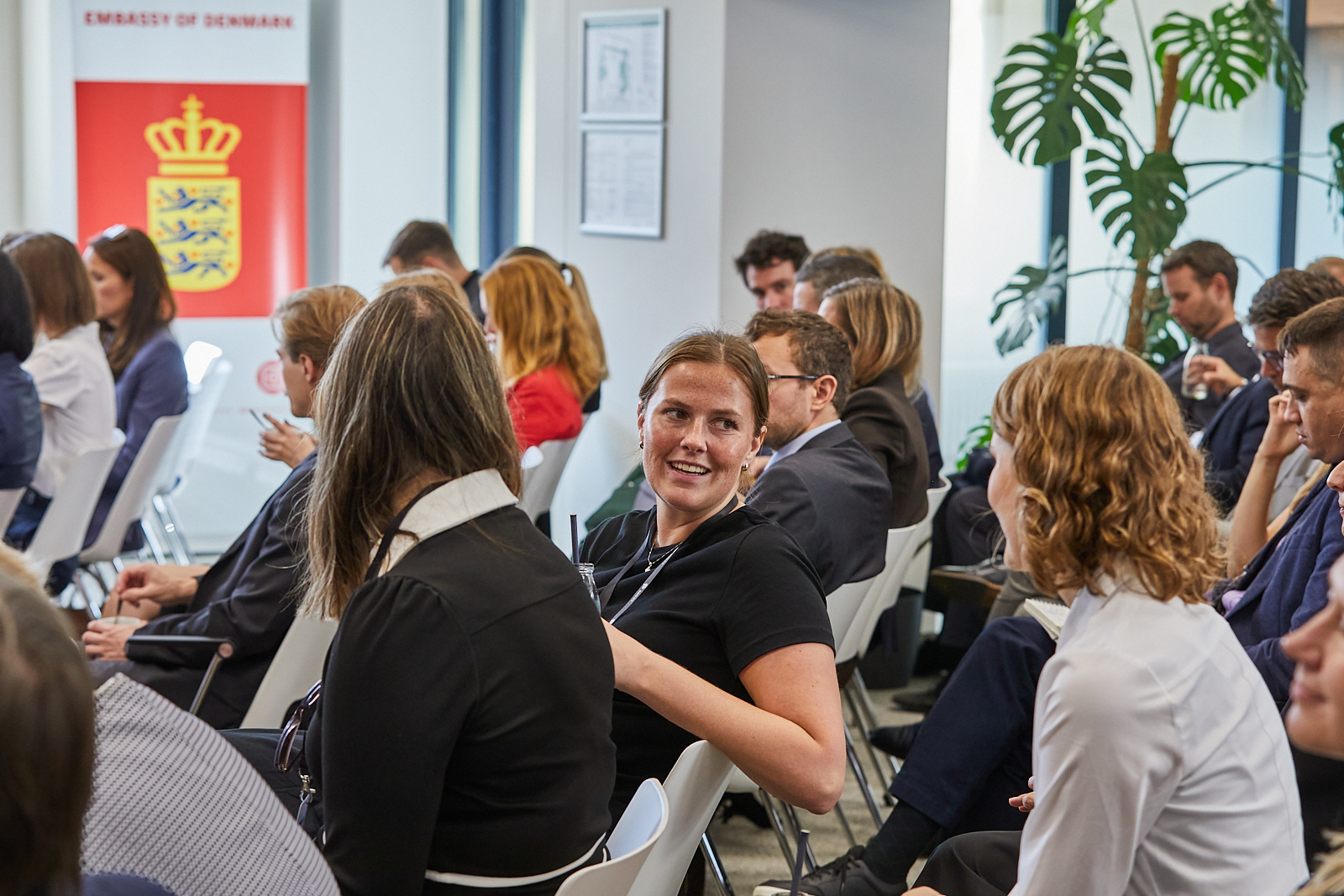
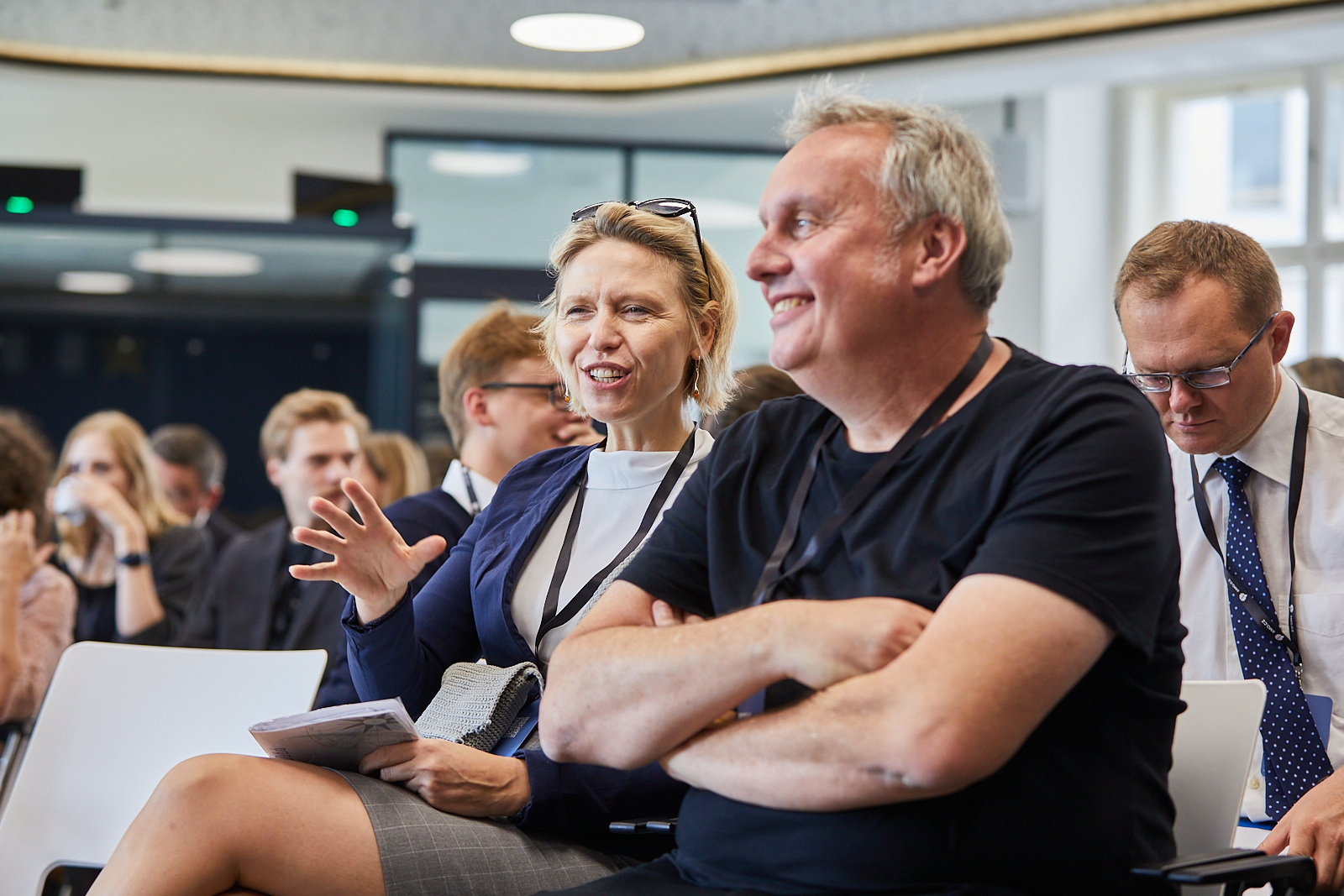
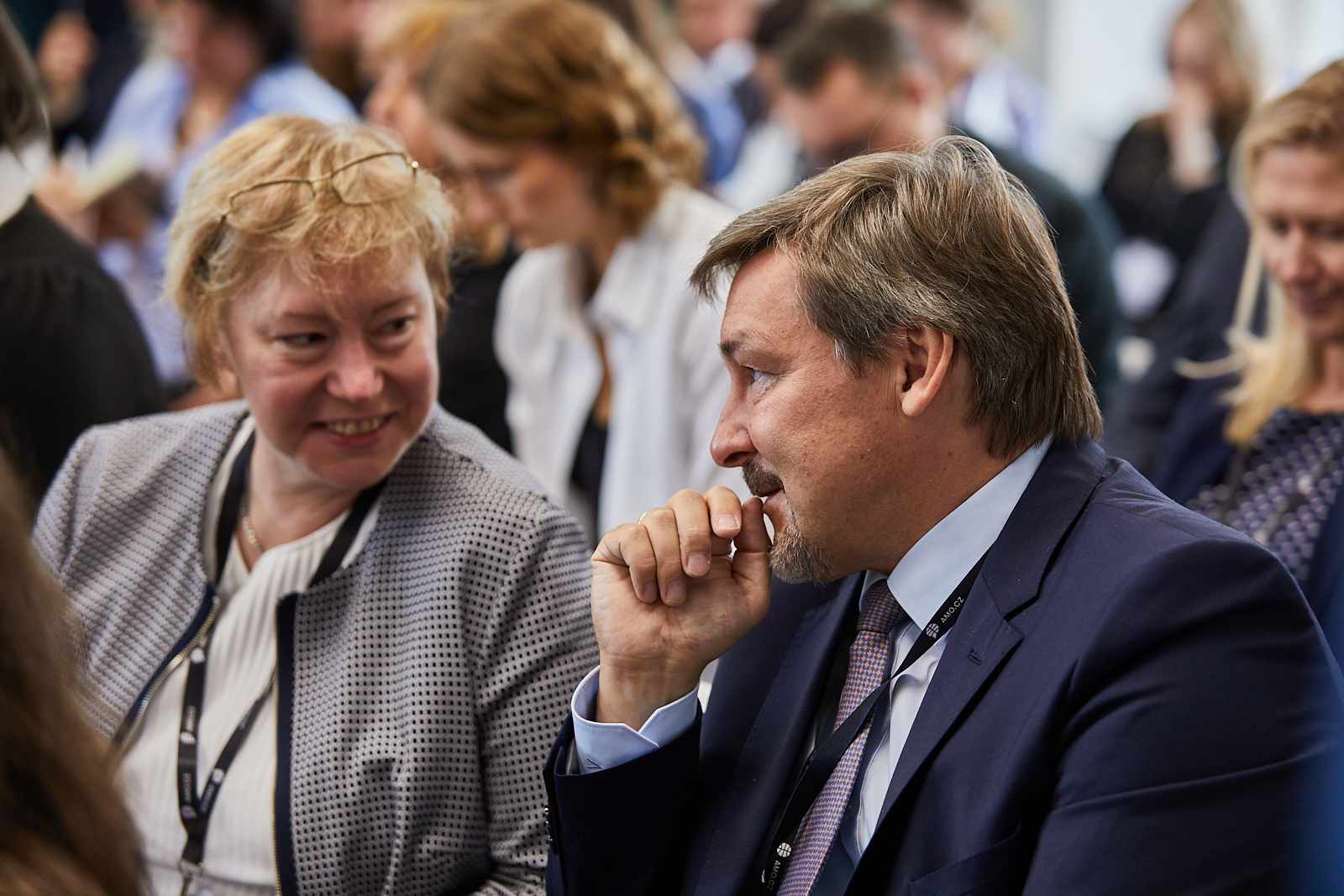
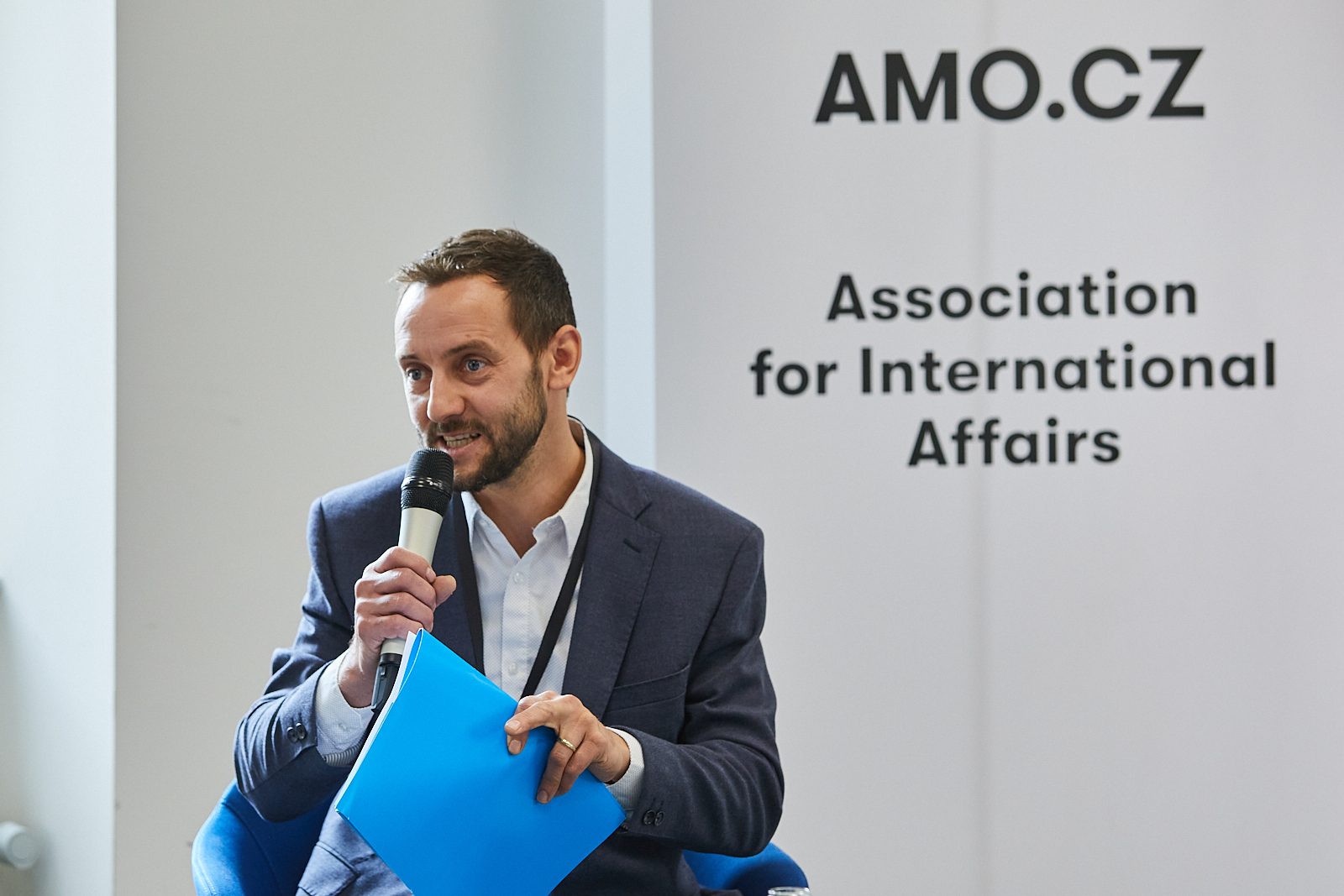
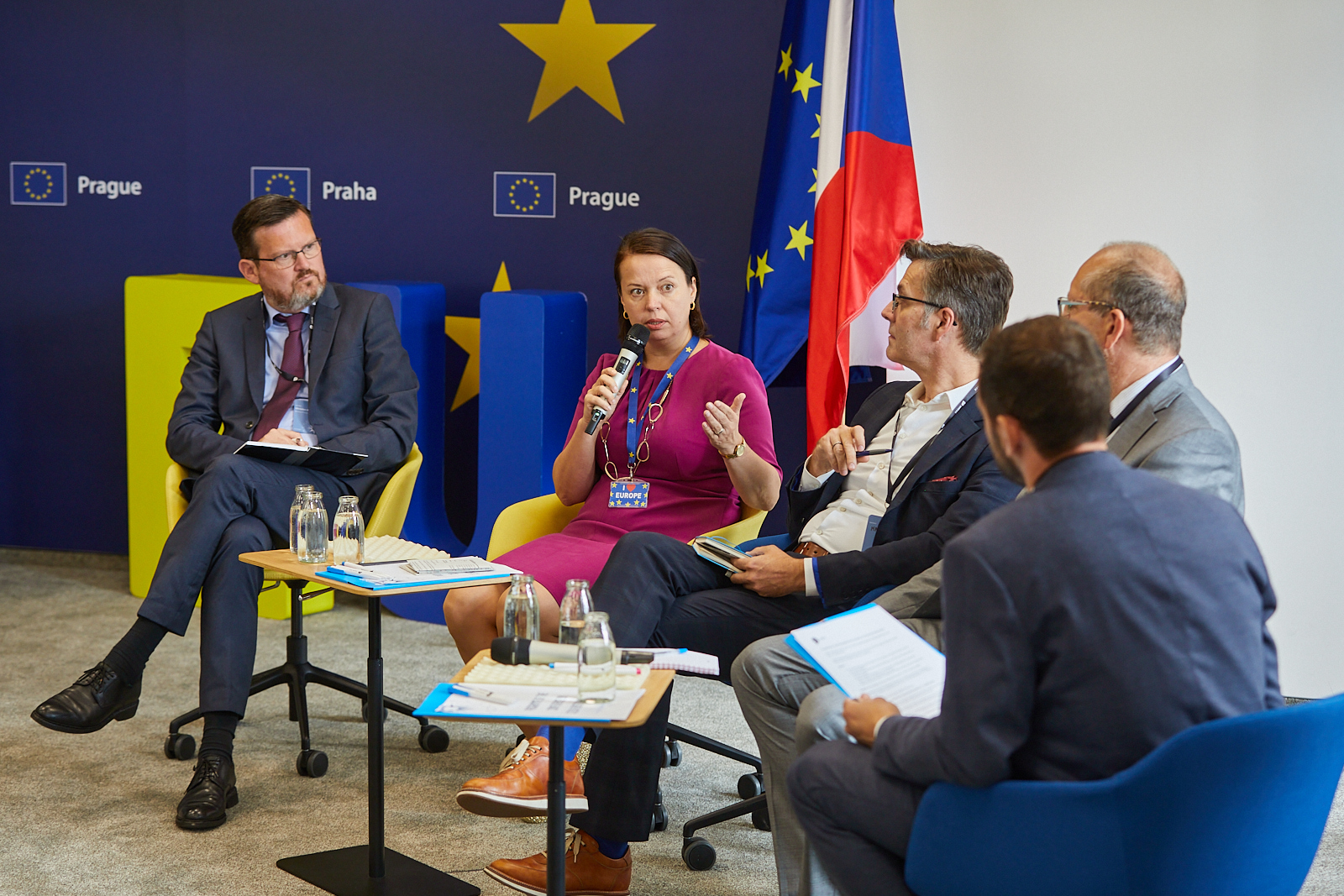
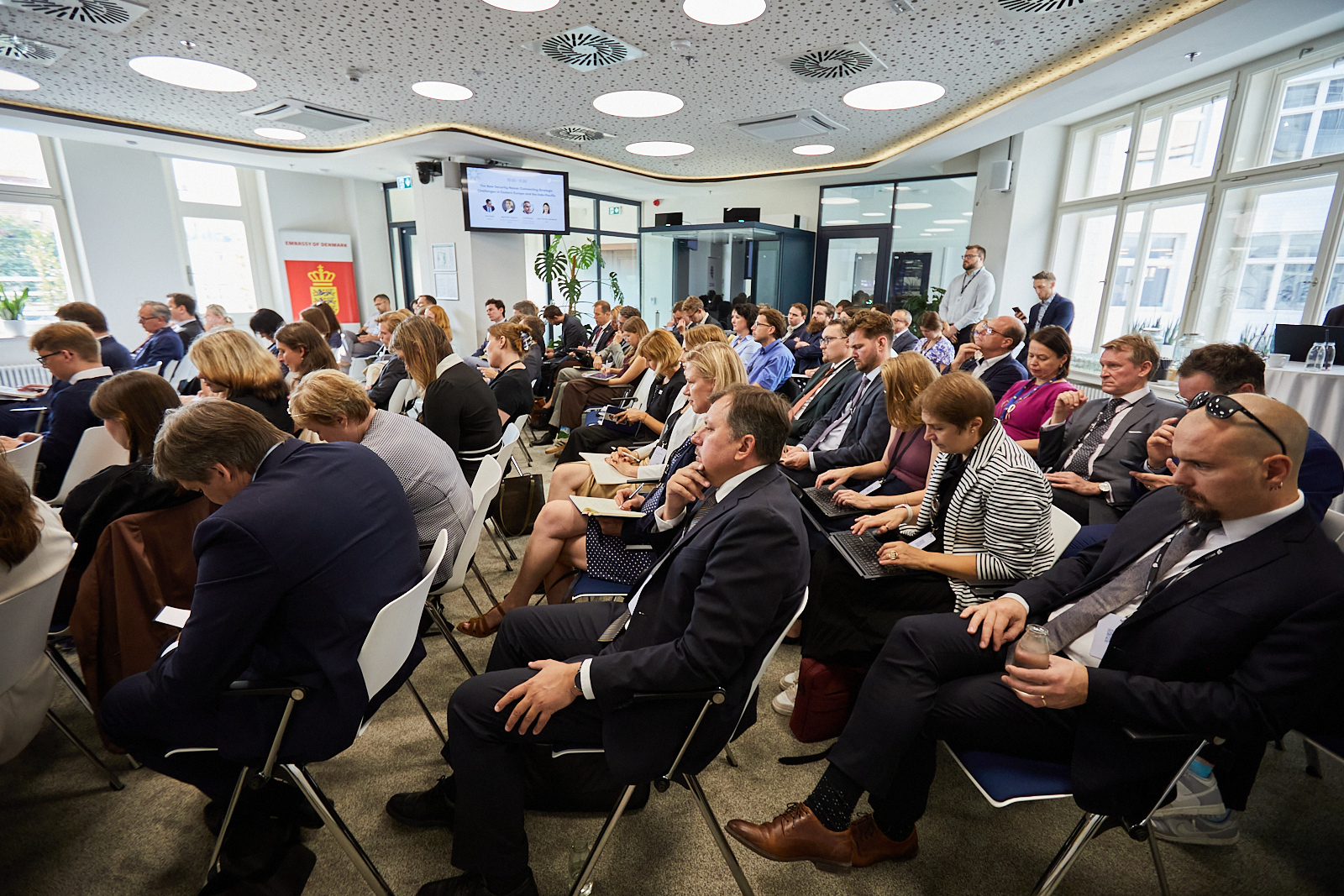
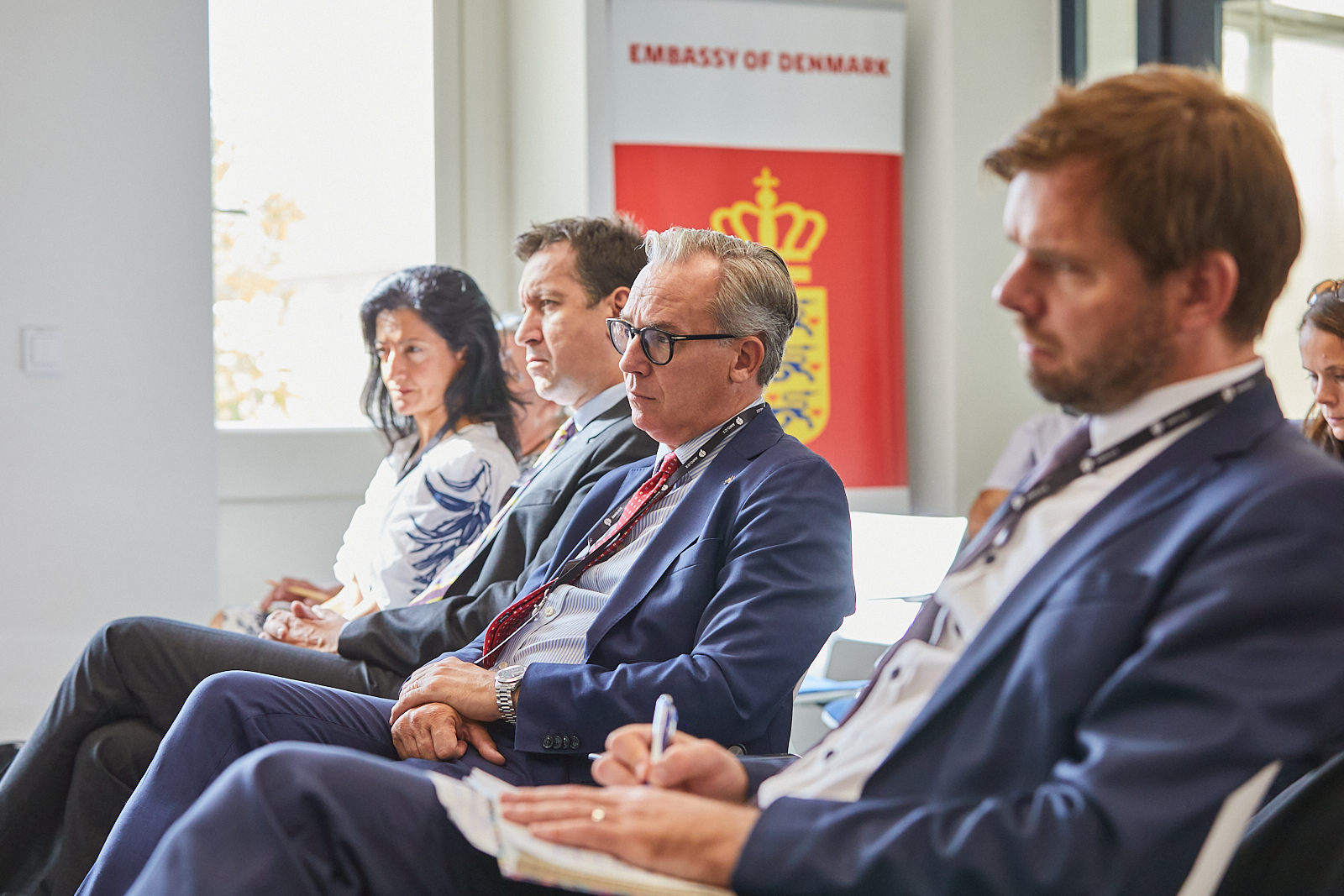
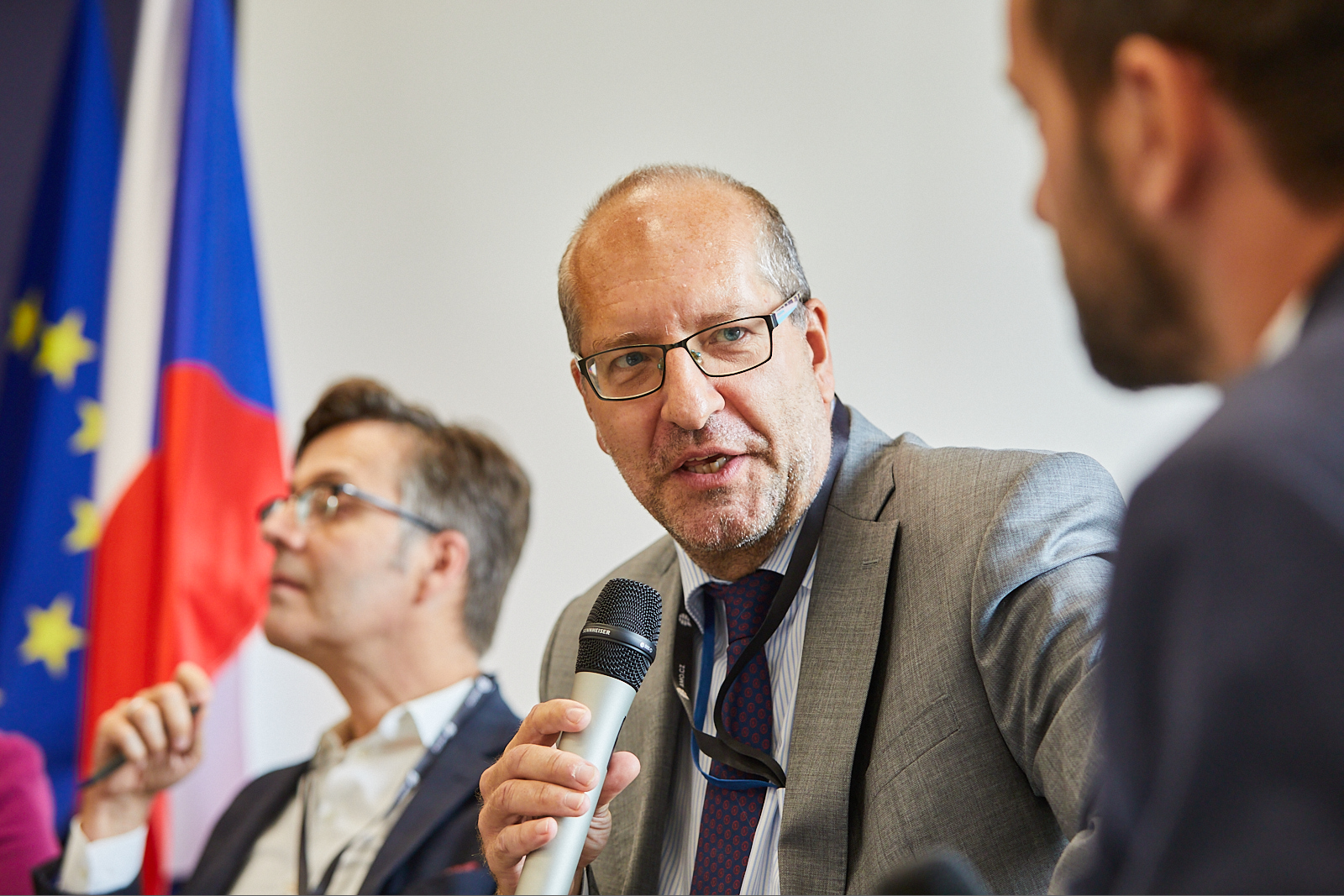
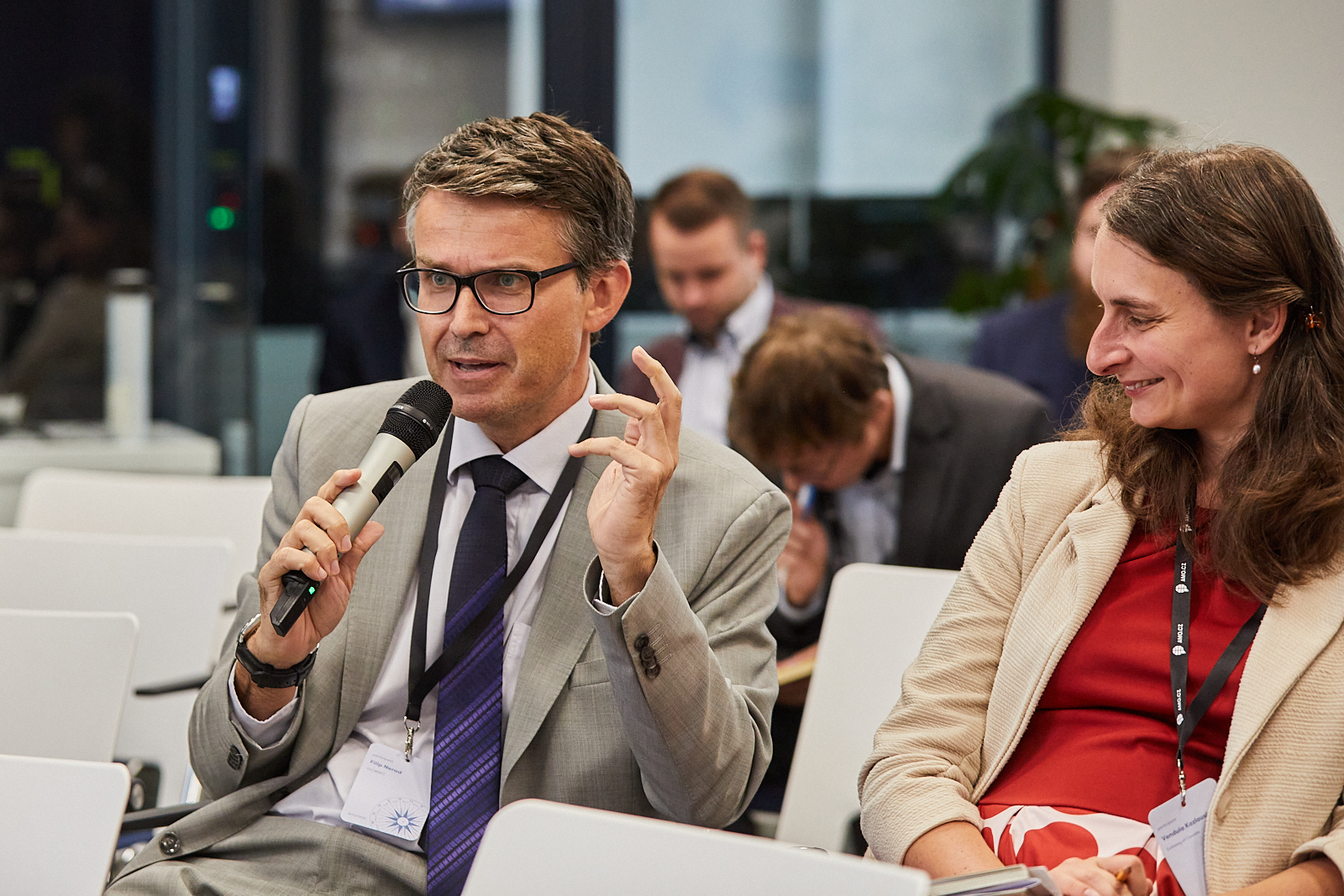
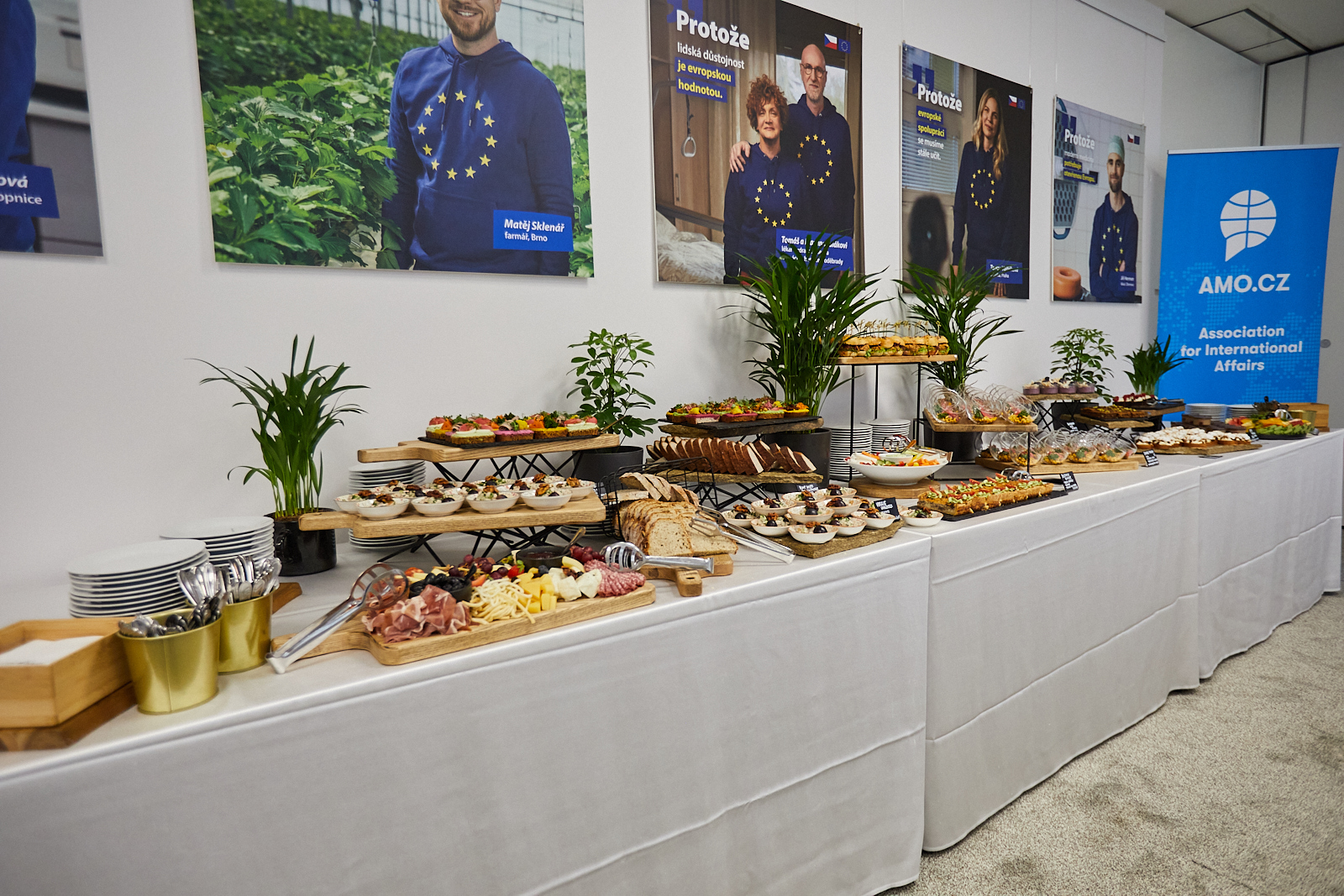
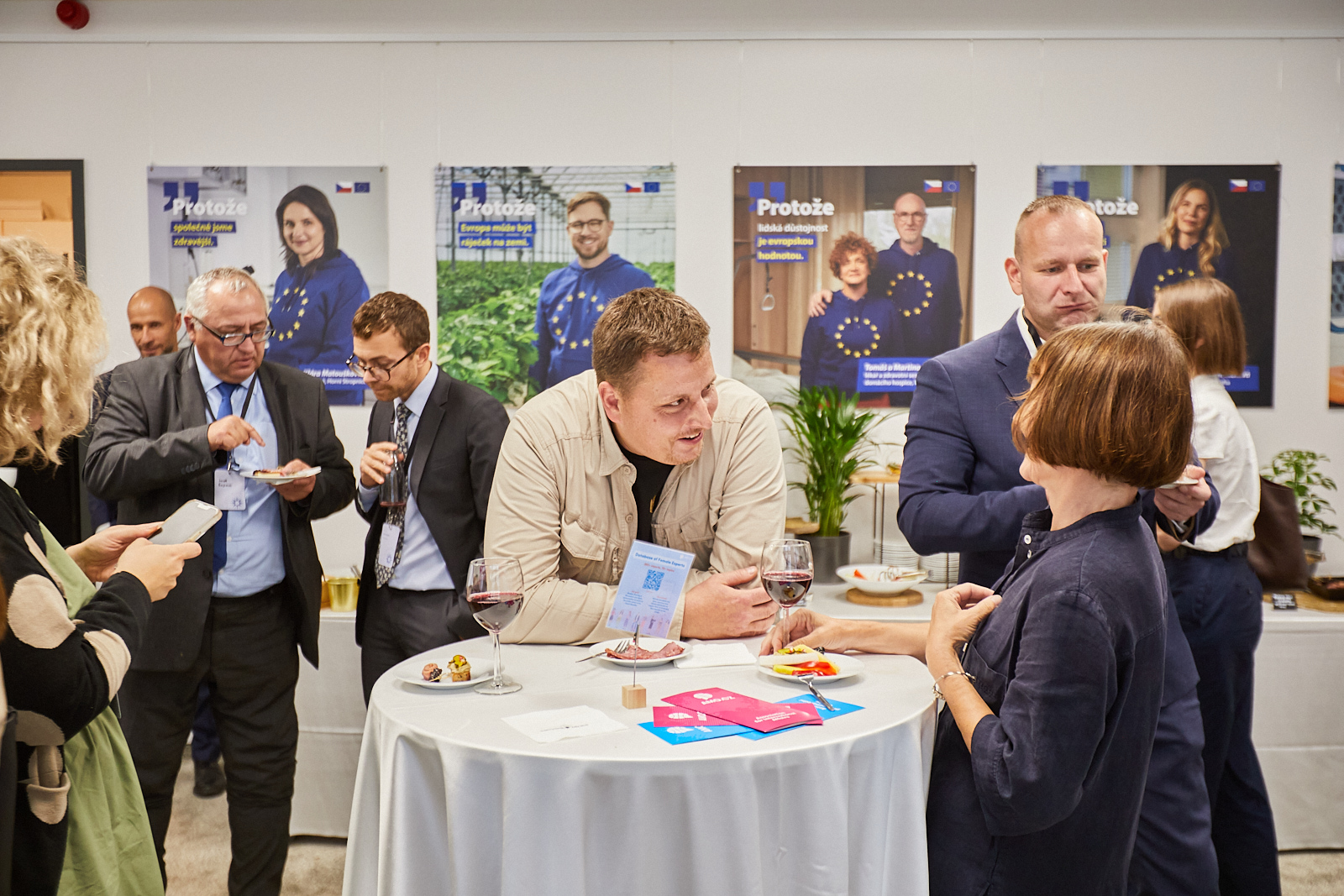
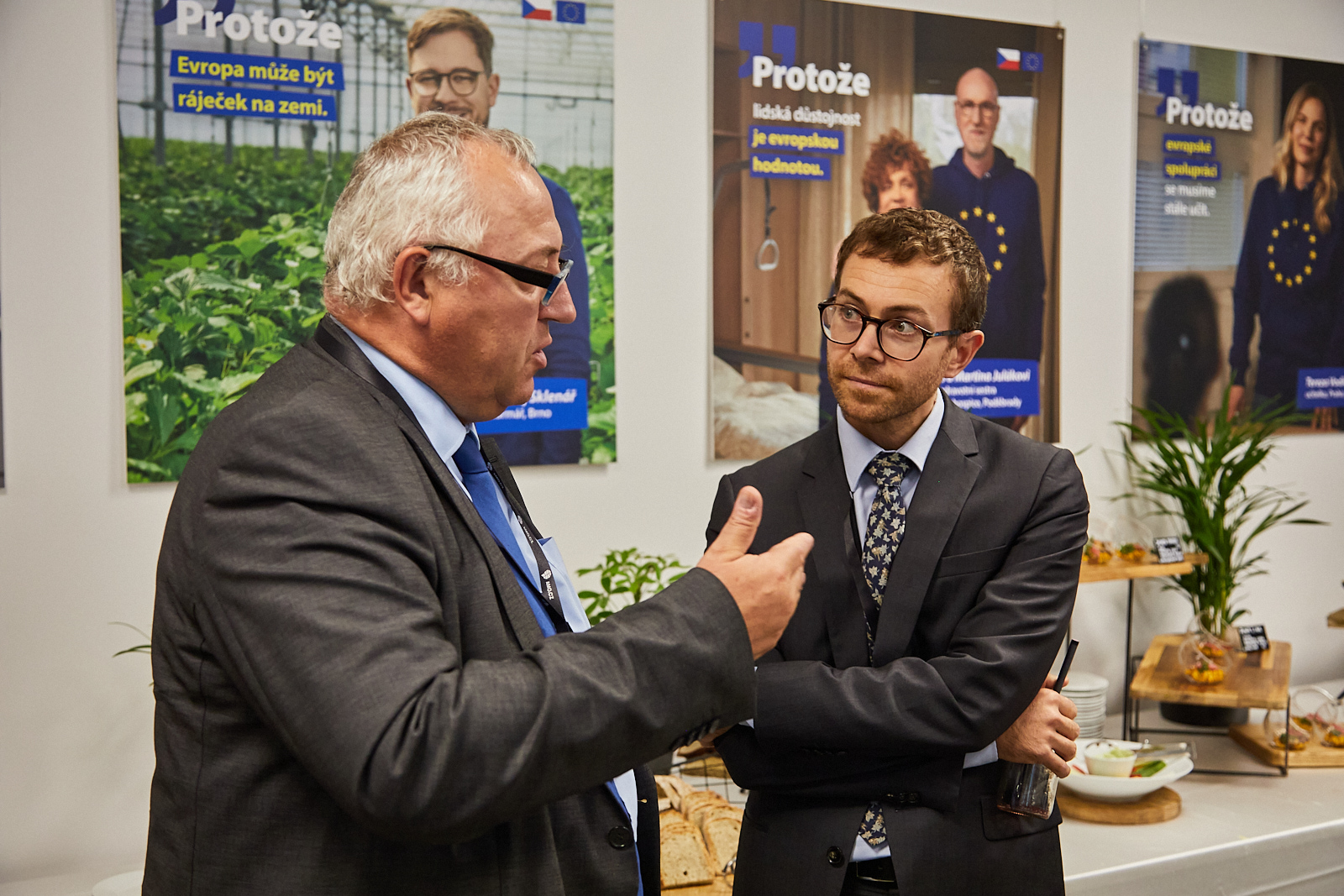
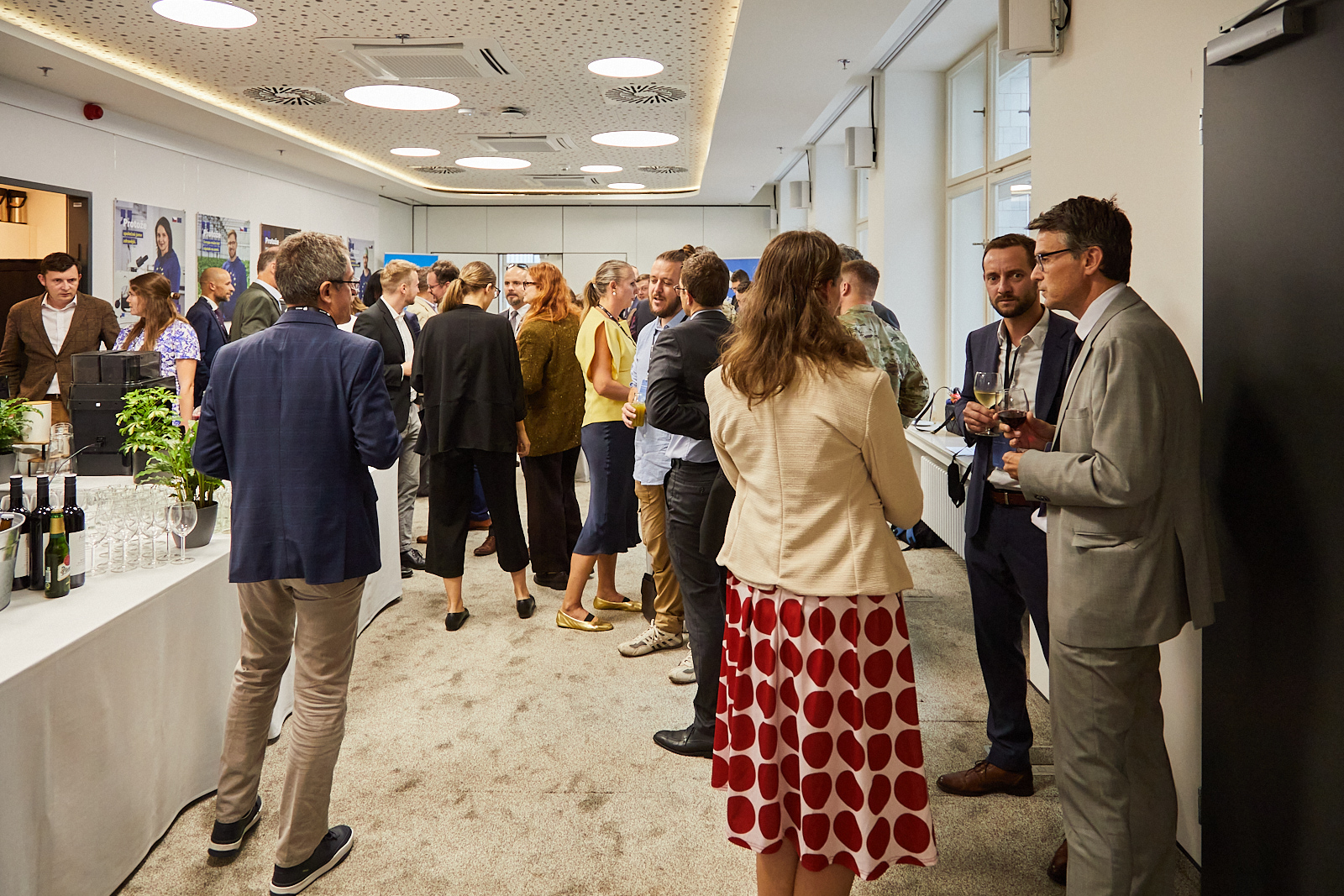
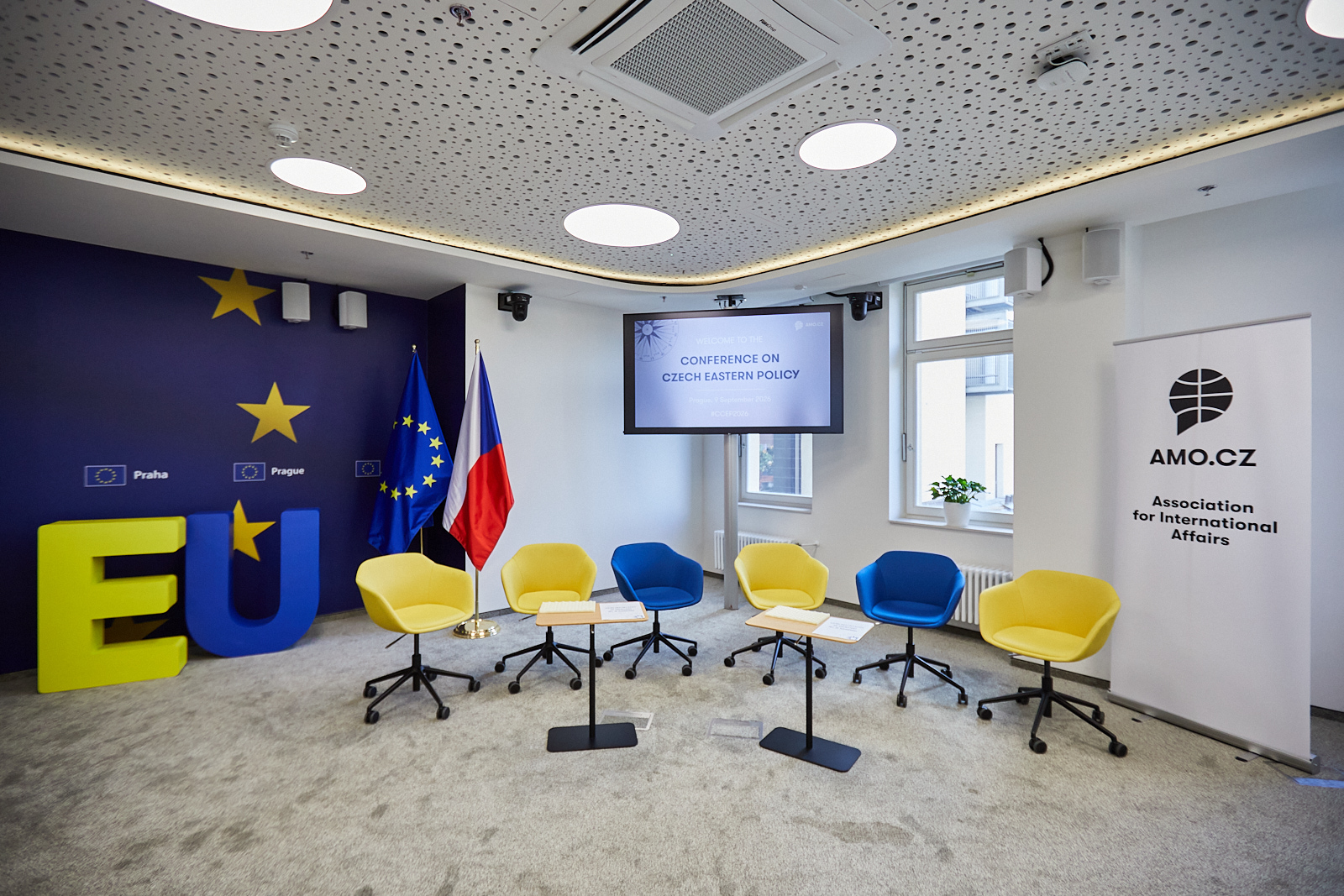
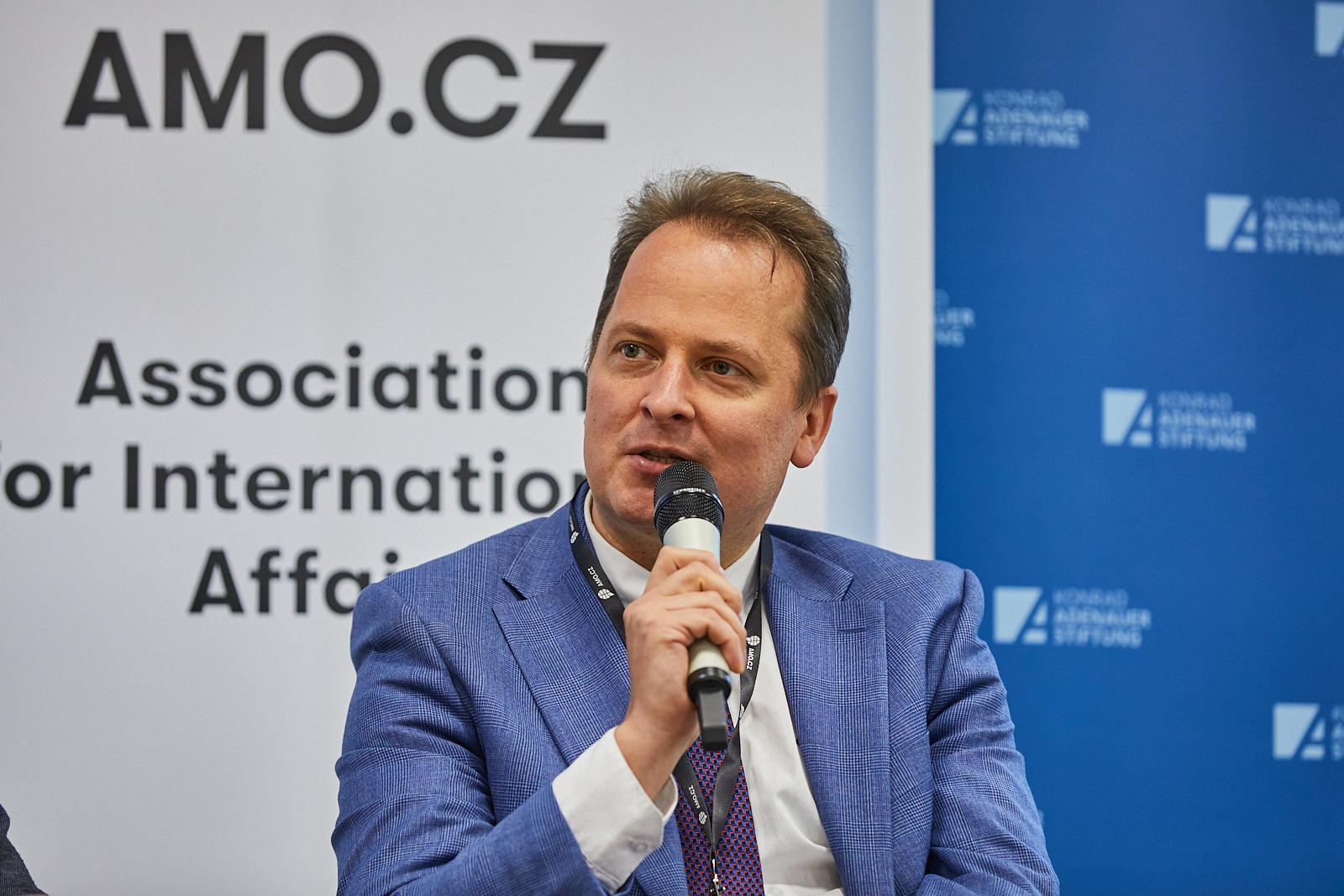
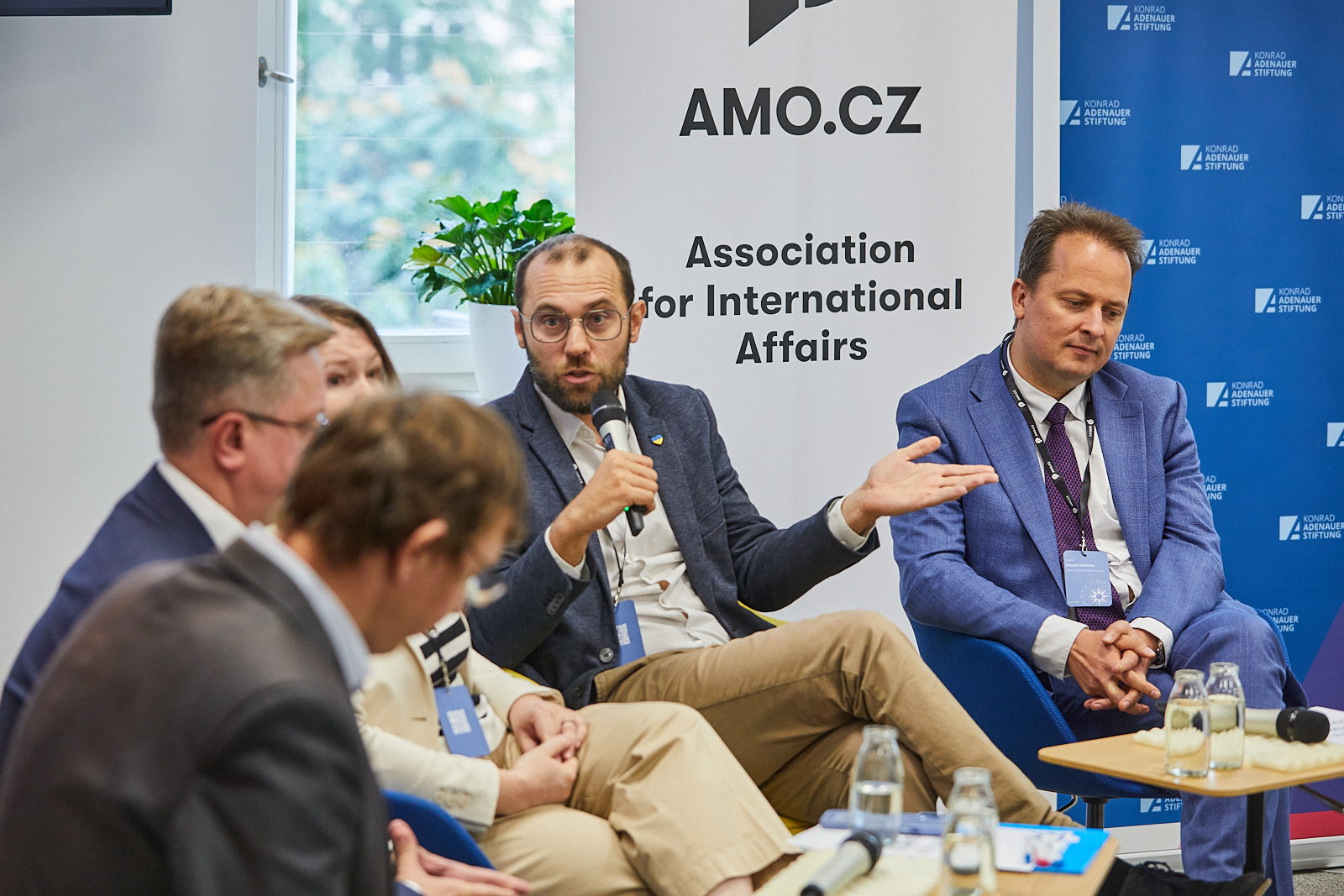
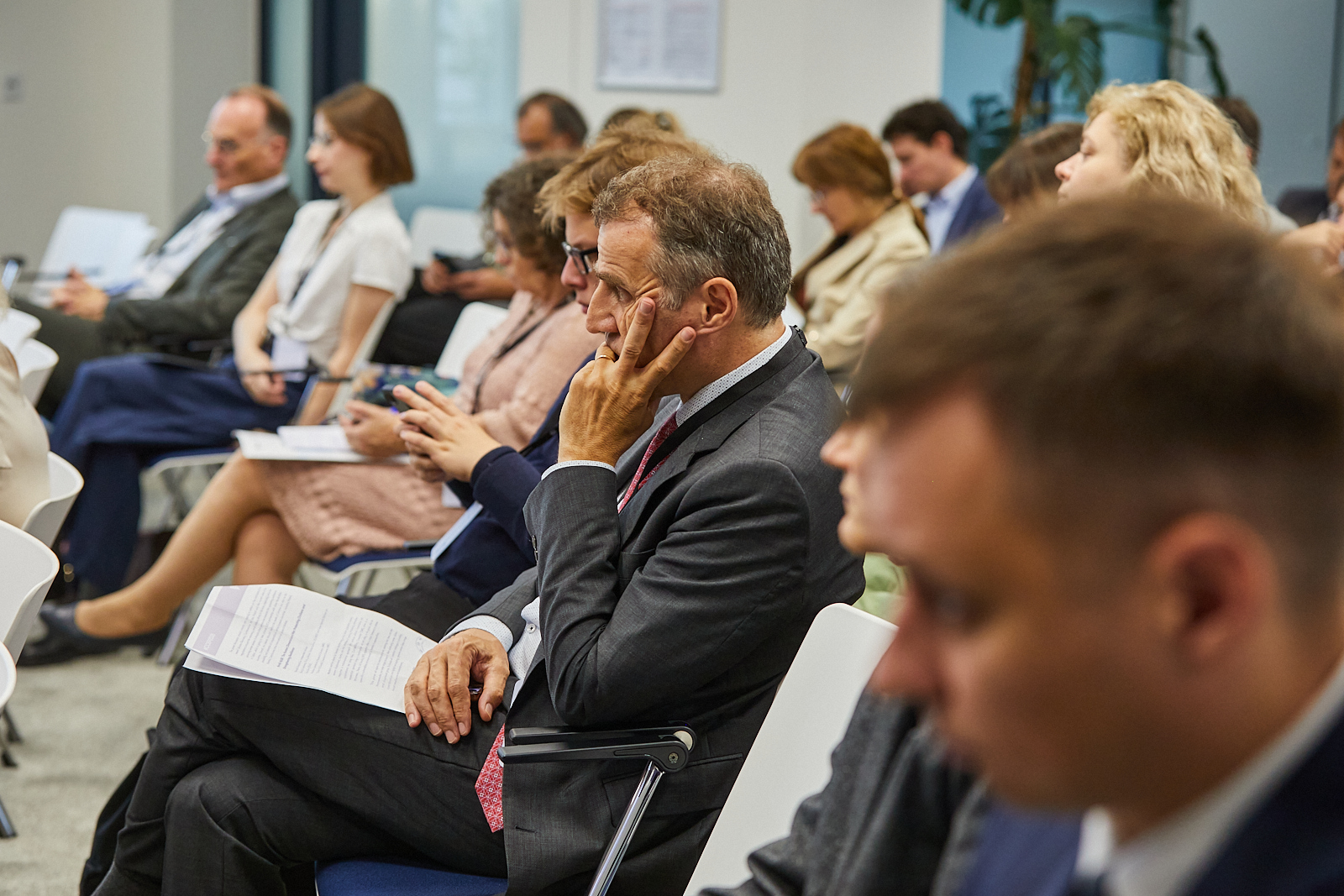
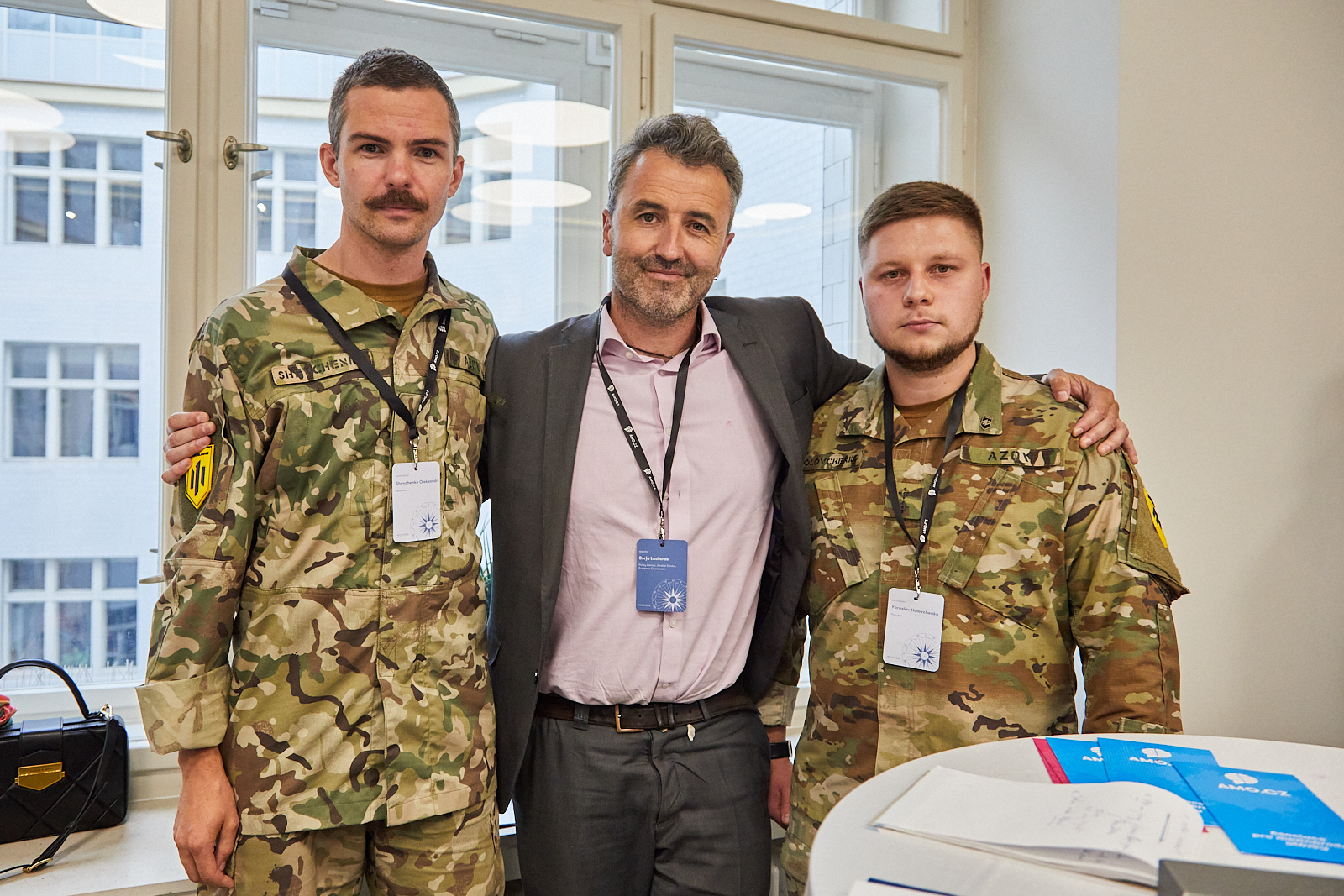
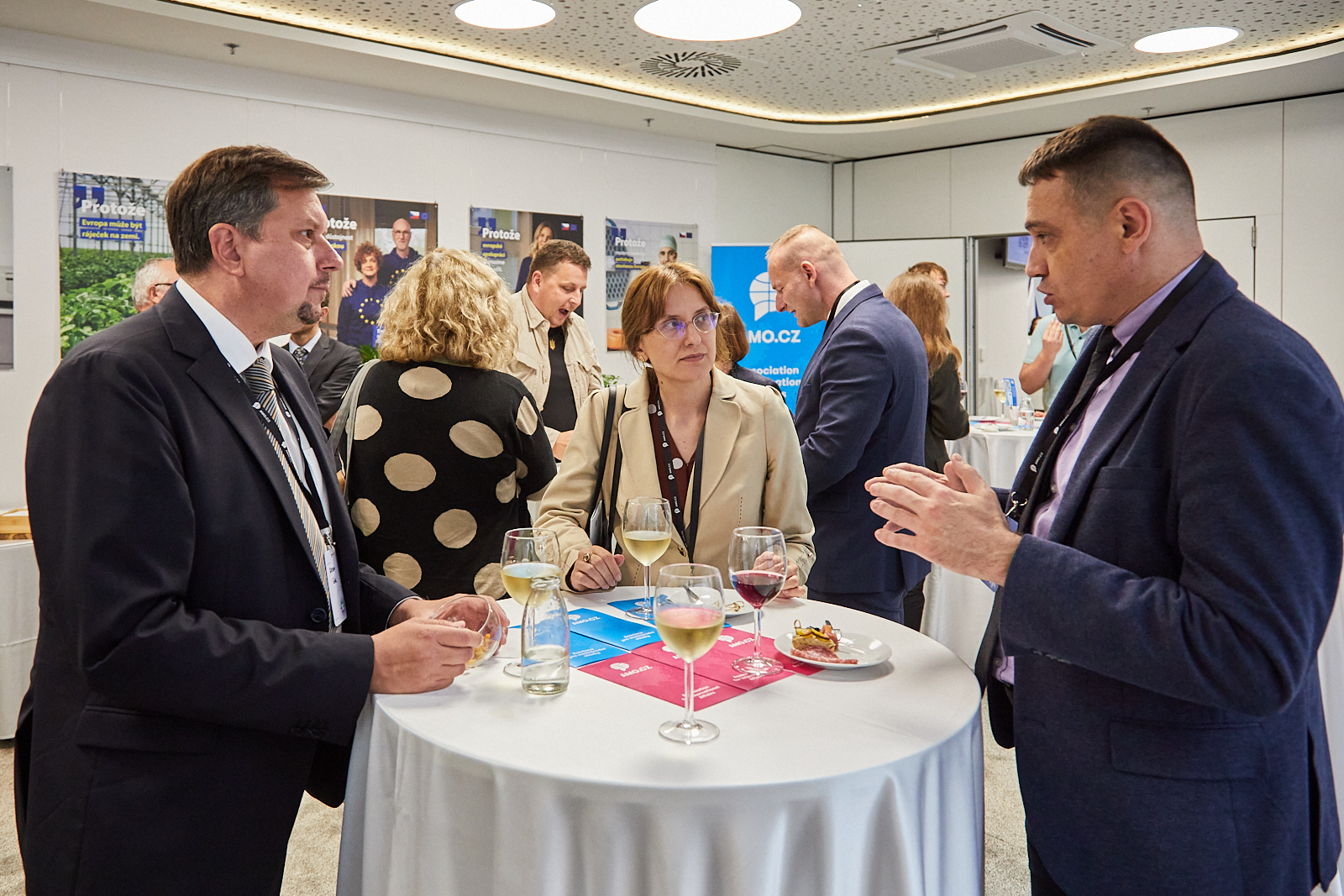
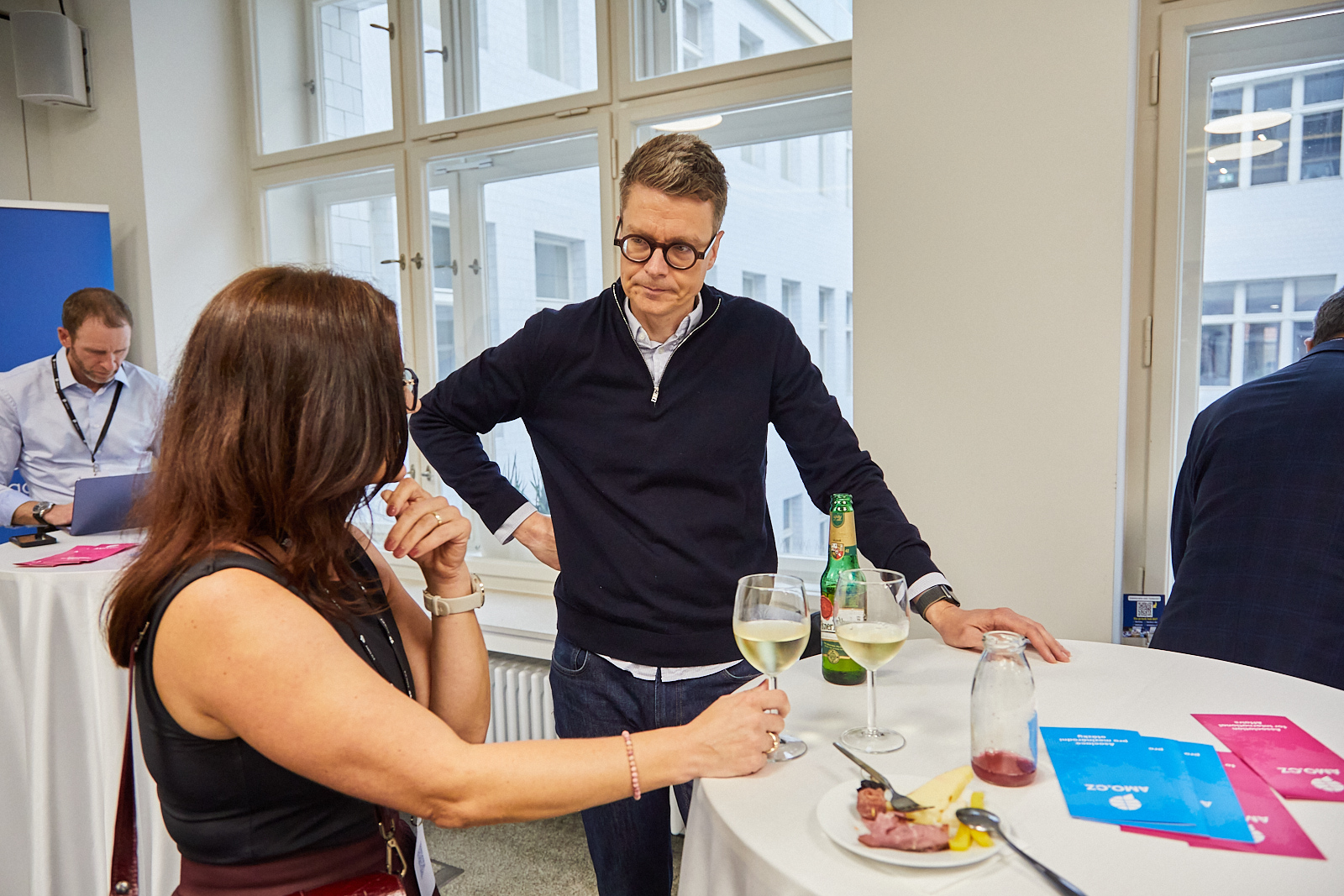
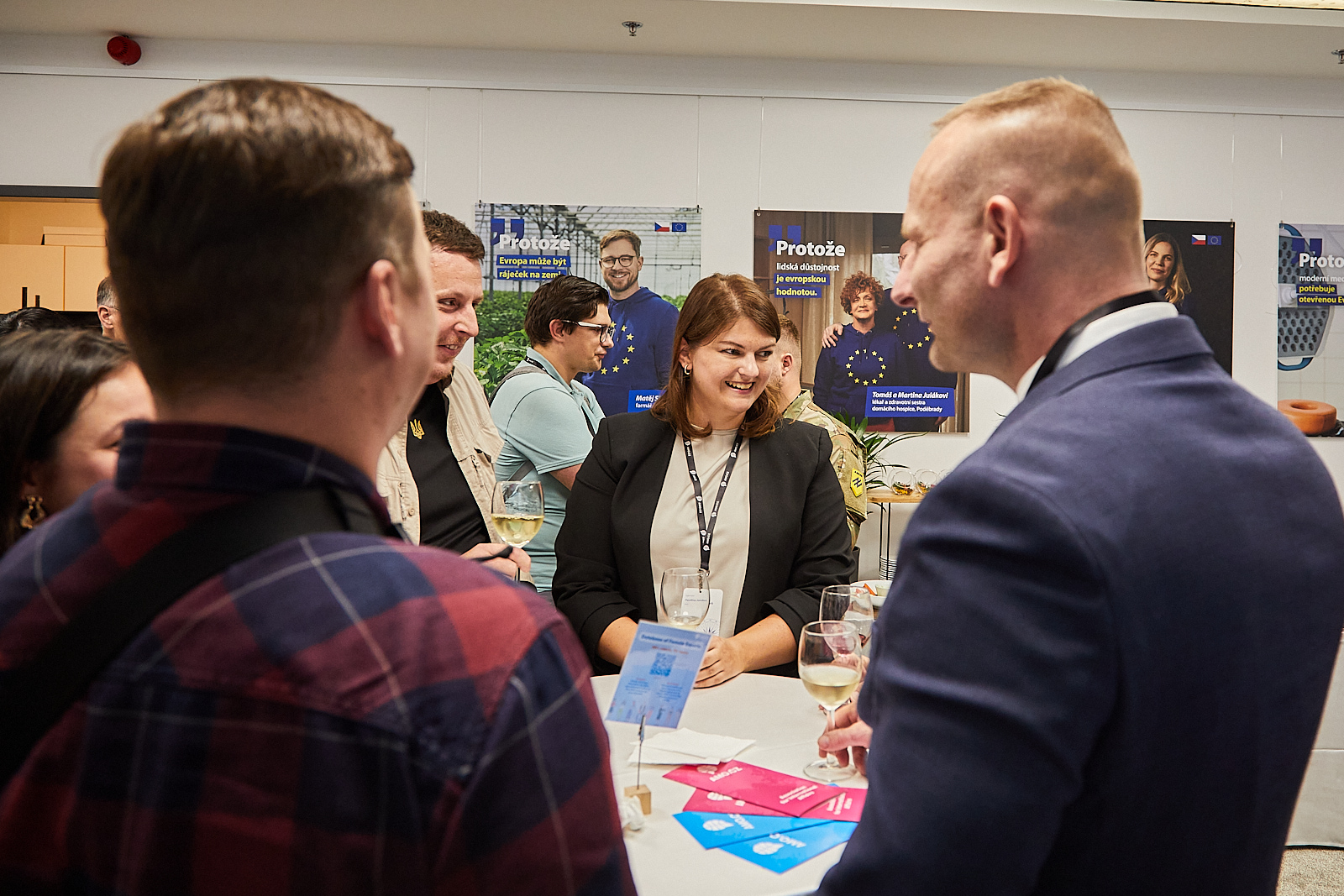
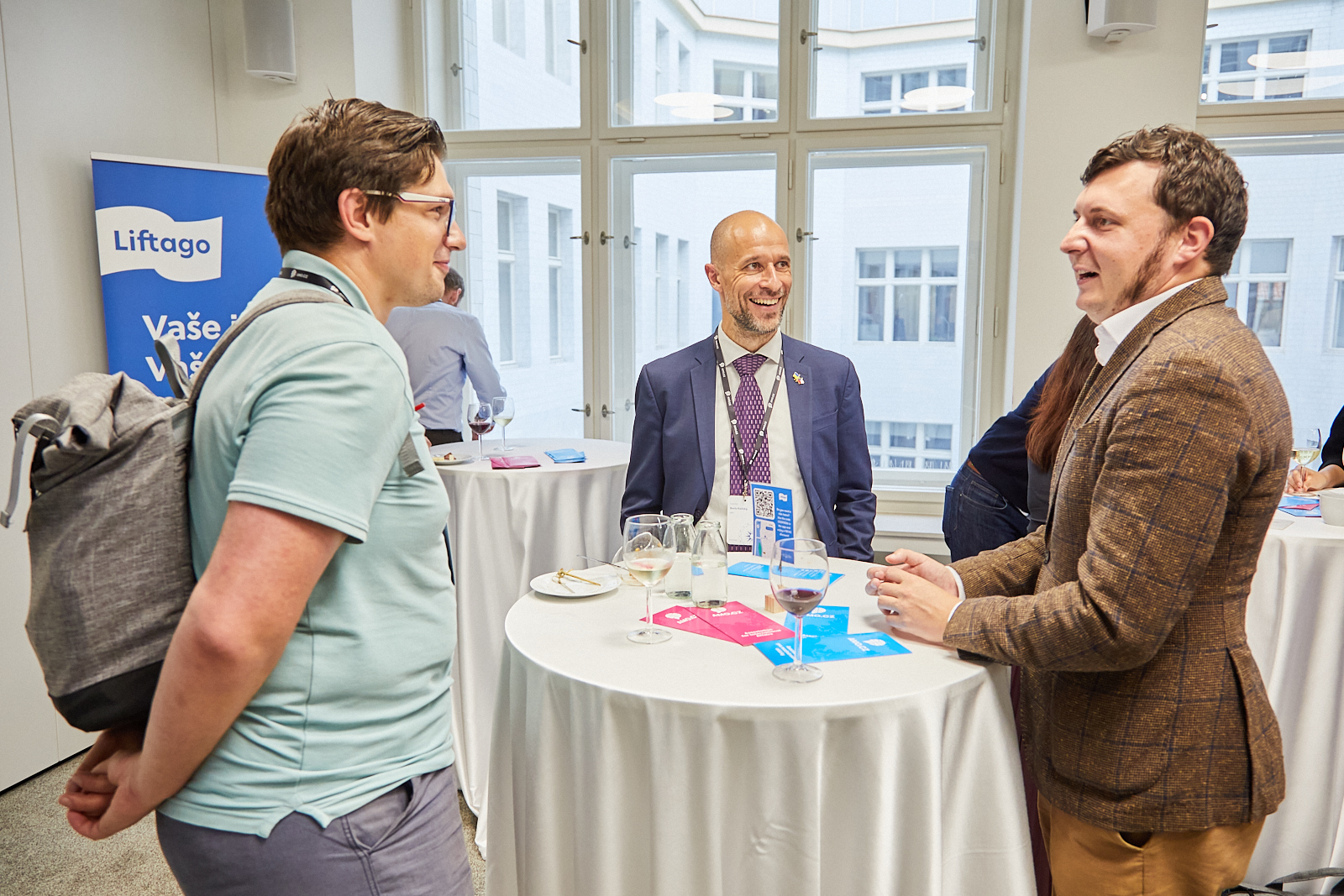
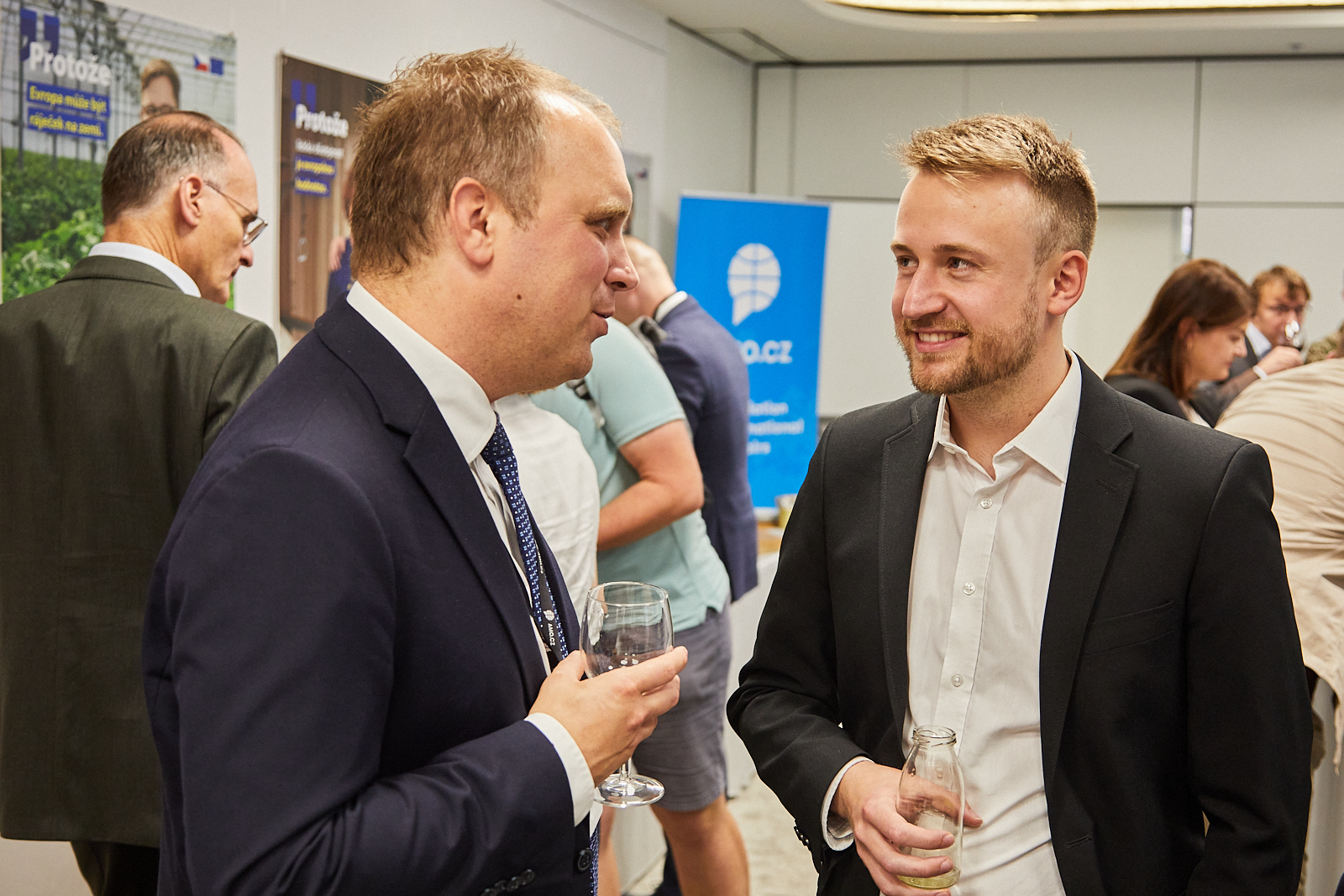
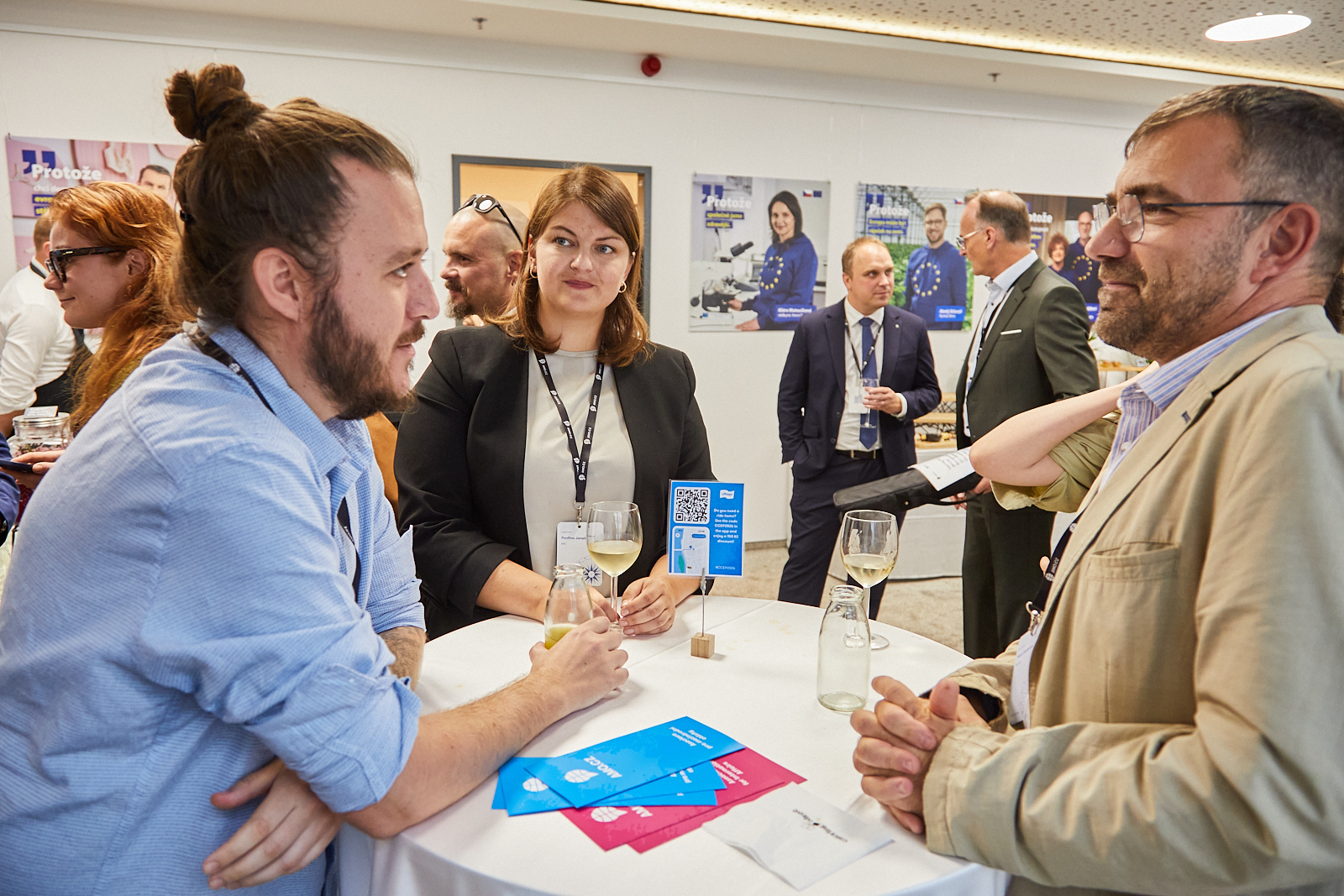
For the fifth consecutive year, we had the privilege of hosting the Conference on Czech Eastern Policy, held on September 9, 2026, at the Representation of the European Commission and the European Parliament Liaison Office in the Czech Republic. As has become a cherished tradition, the event brought together a gathering of representatives from the Czech government, ministries, civil society, and academia, alongside esteemed experts from across Europe, including Ukraine. This year’s discussions focused on global perspectives regarding the region, the critical task of Ukraine’s reconstruction, the human dimensions of the conflict, and pressing issues surrounding defense, security, and regional cooperation. The main programme was further enriched by a series of targeted side events, including an opening reception hosted by the Embassy of Sweden, as well as specialized workshops and roundtables that provided deeper insights into the nuanced facets of Czech Eastern Policy.

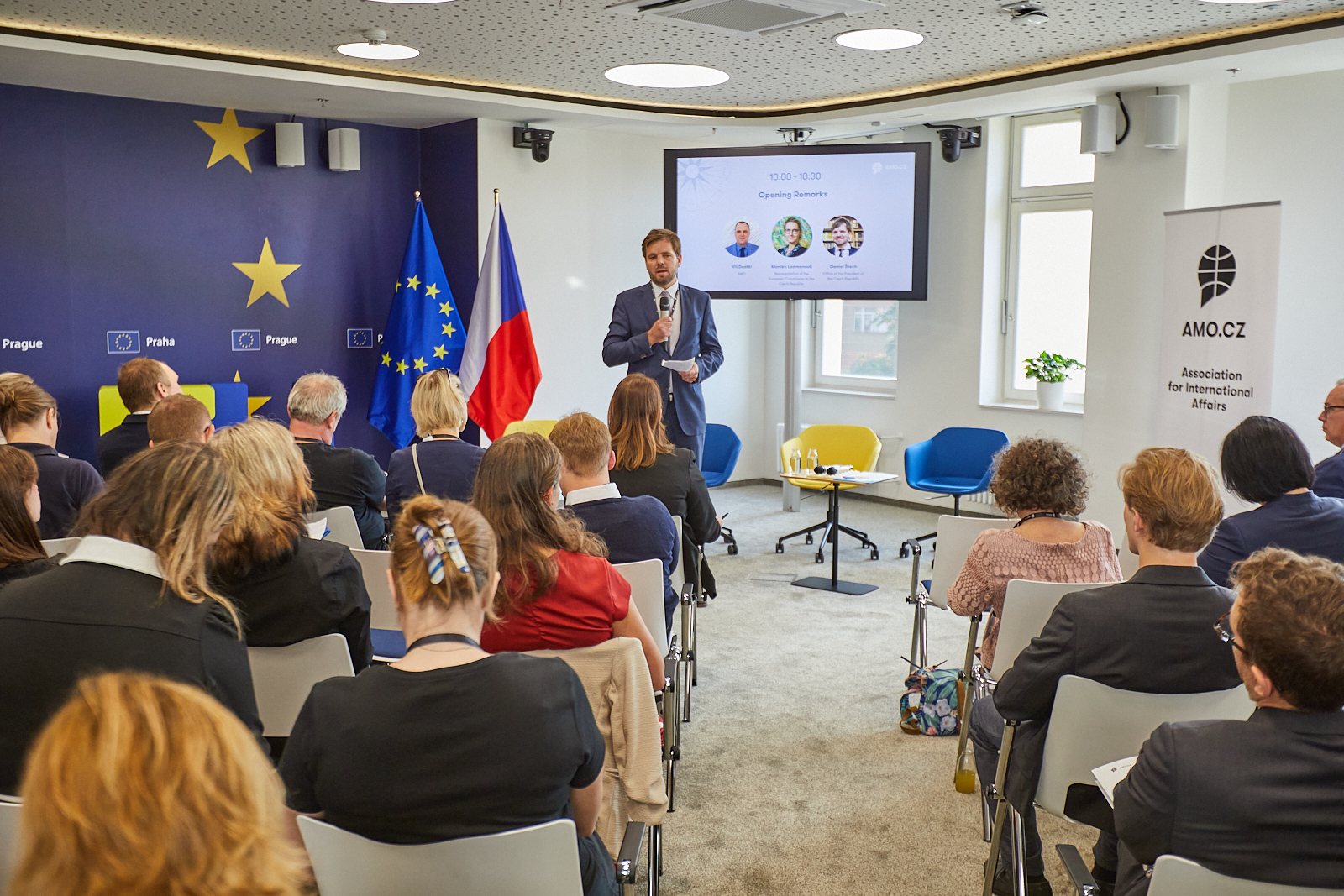
Opening Remarks
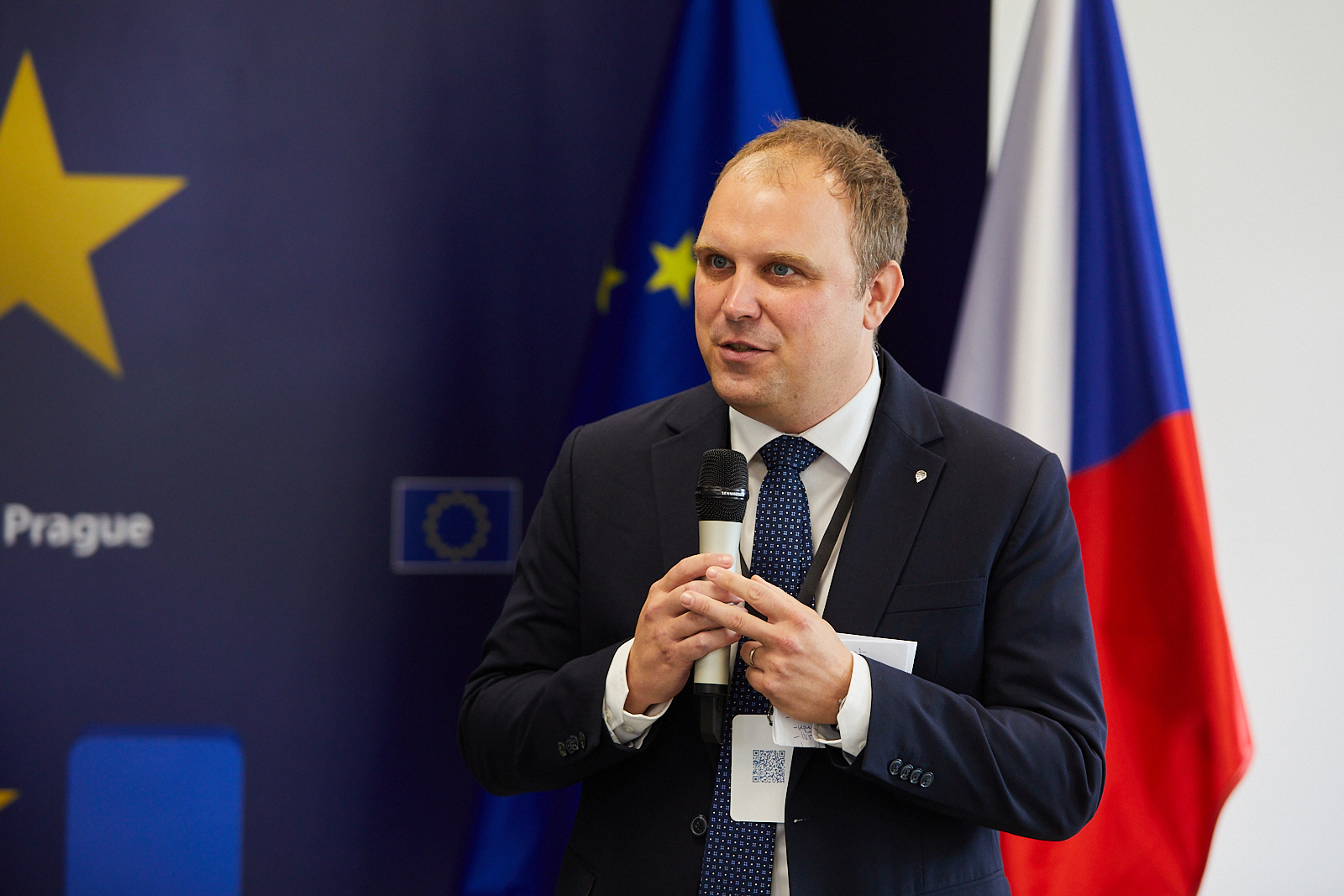
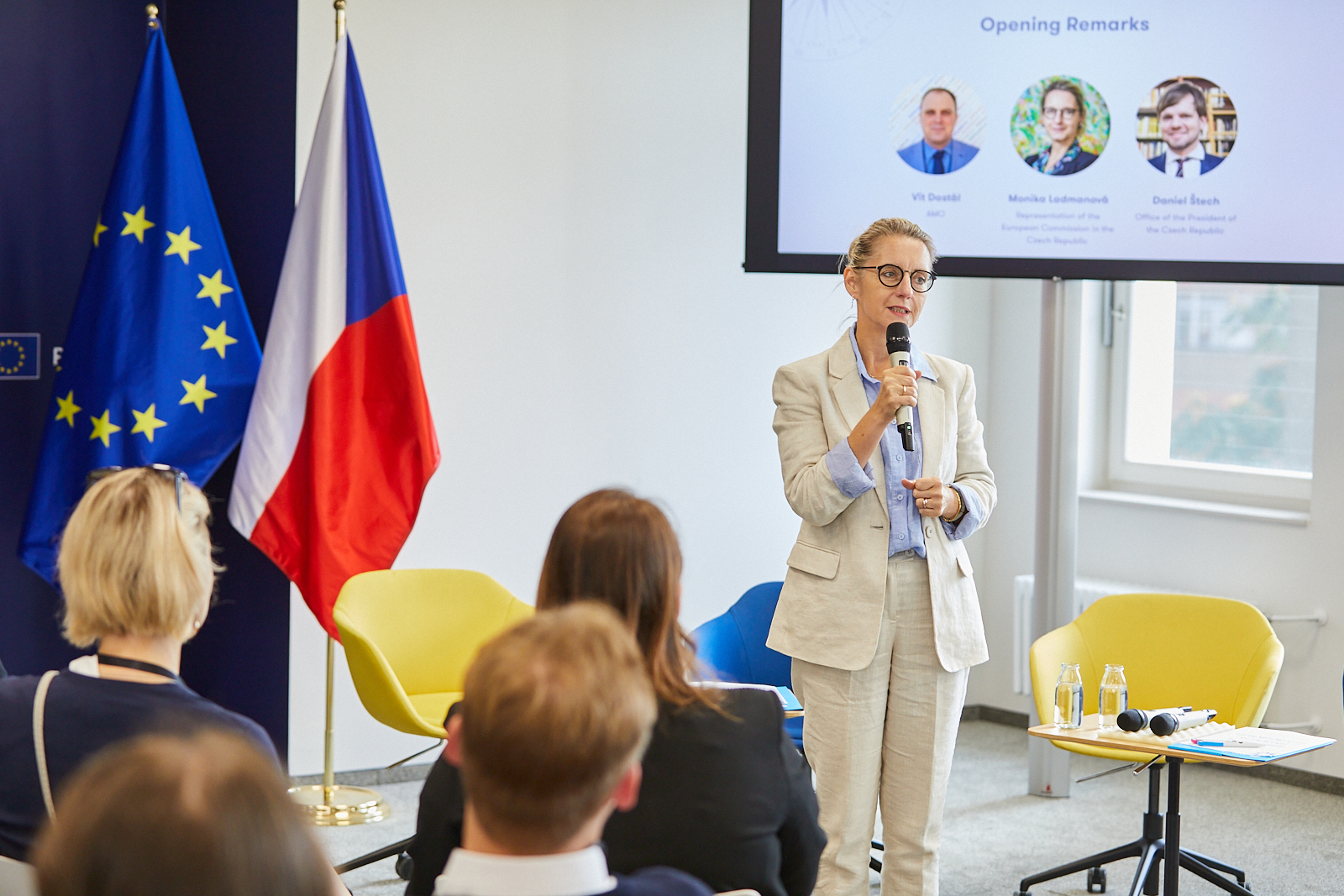
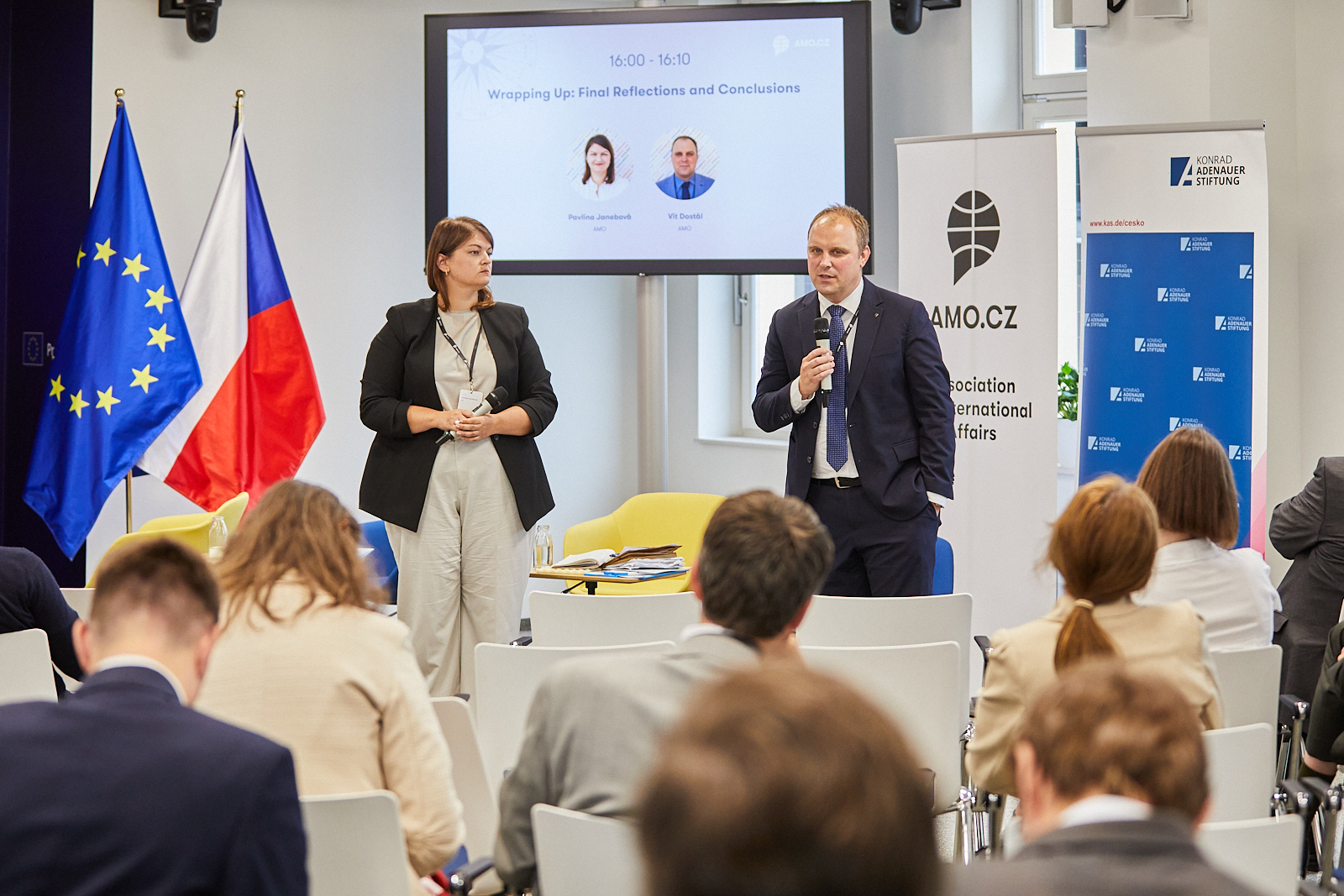
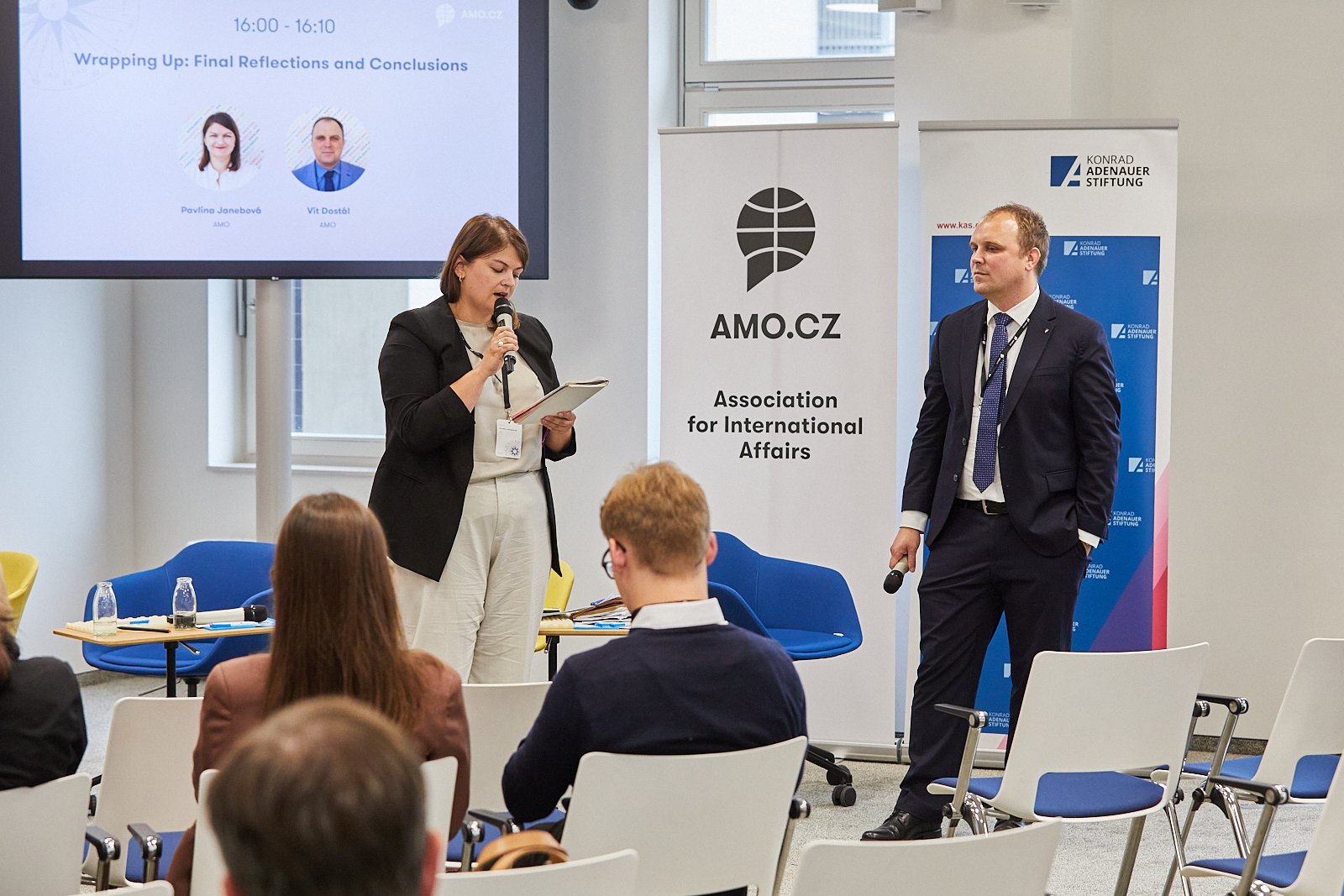
The main day was opened by Monika Ladmanová, the Head of the Representation of the European Commission In Czechia, Daniel Štech, the Director of the Foreign Affairs Department at the Office of the President of the Czech Republic and Vít Dostál, AMO’s Executive DIrector. Together they sat the conference into contemporary settings and circumstances, stressing the importance of partnership and consensus building inside and out of EU to the East, of finding a prosperous path for post war Ukraine, instead of merely fixing what was damaged, as well as important elections coming up around Europe in 2027, whose results can influence stances on Eastern Europe significantly.
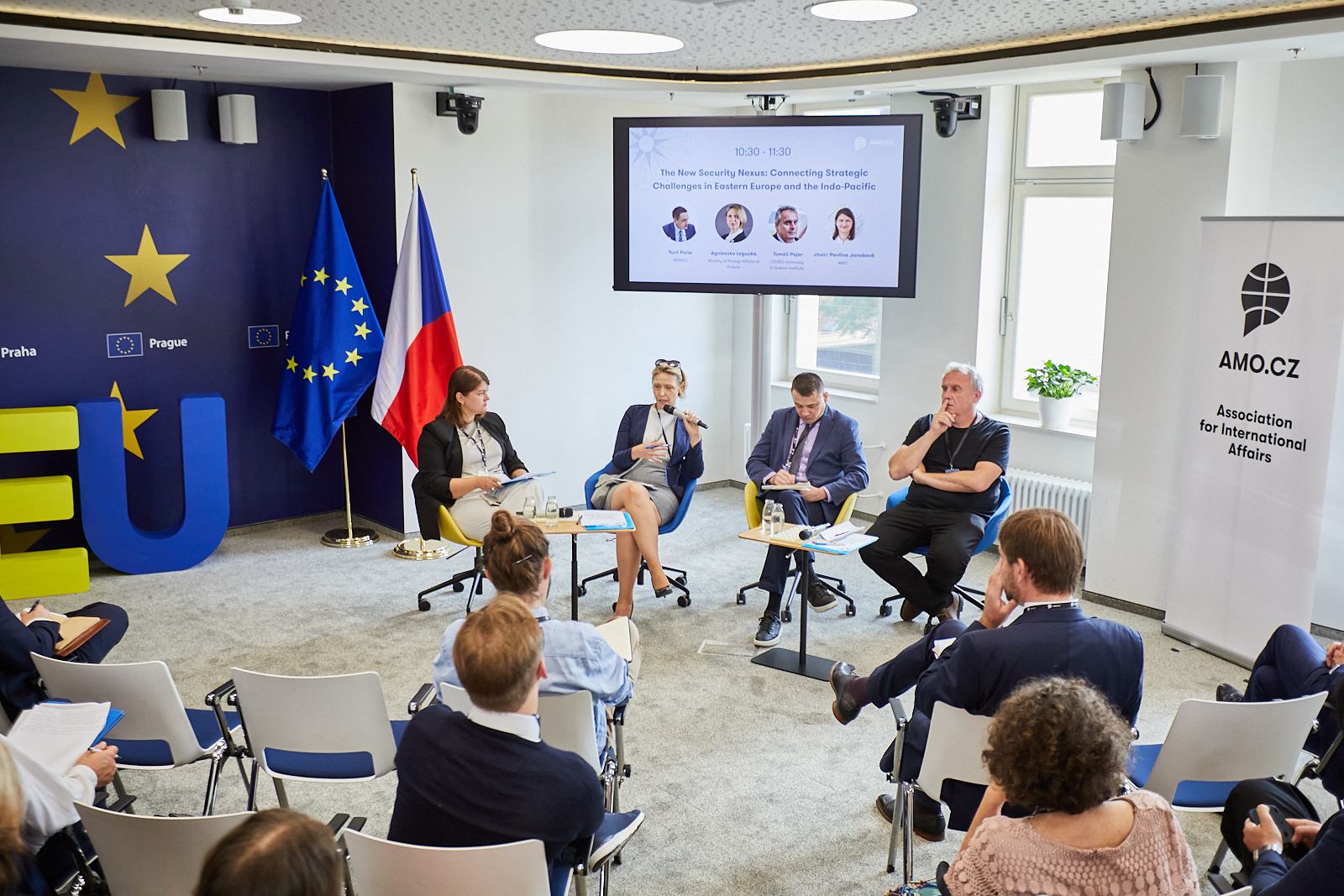
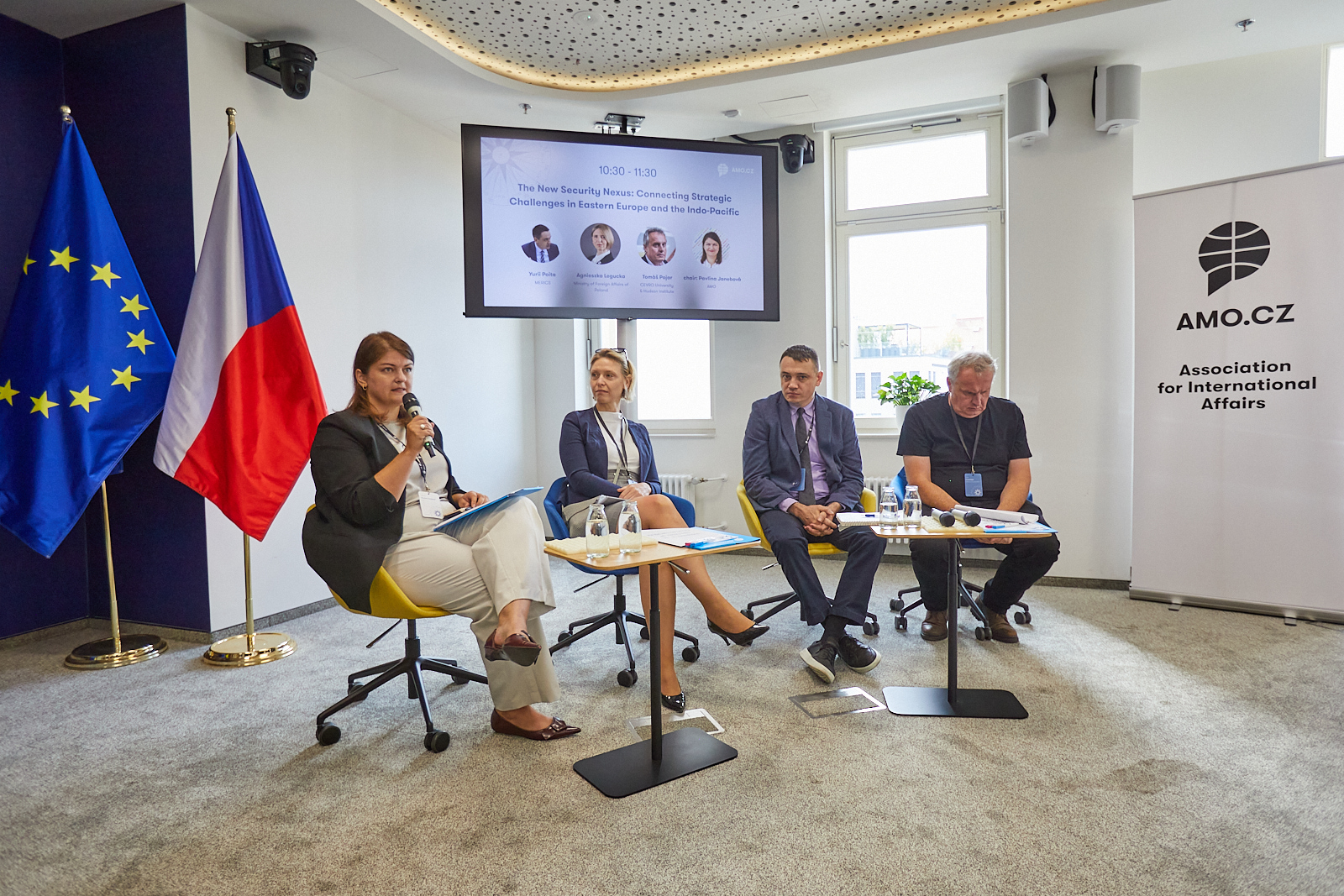
Panel 1: The New Security Nexus: Connecting Strategic Challenges in Eastern Europe and the Indo-Pacific
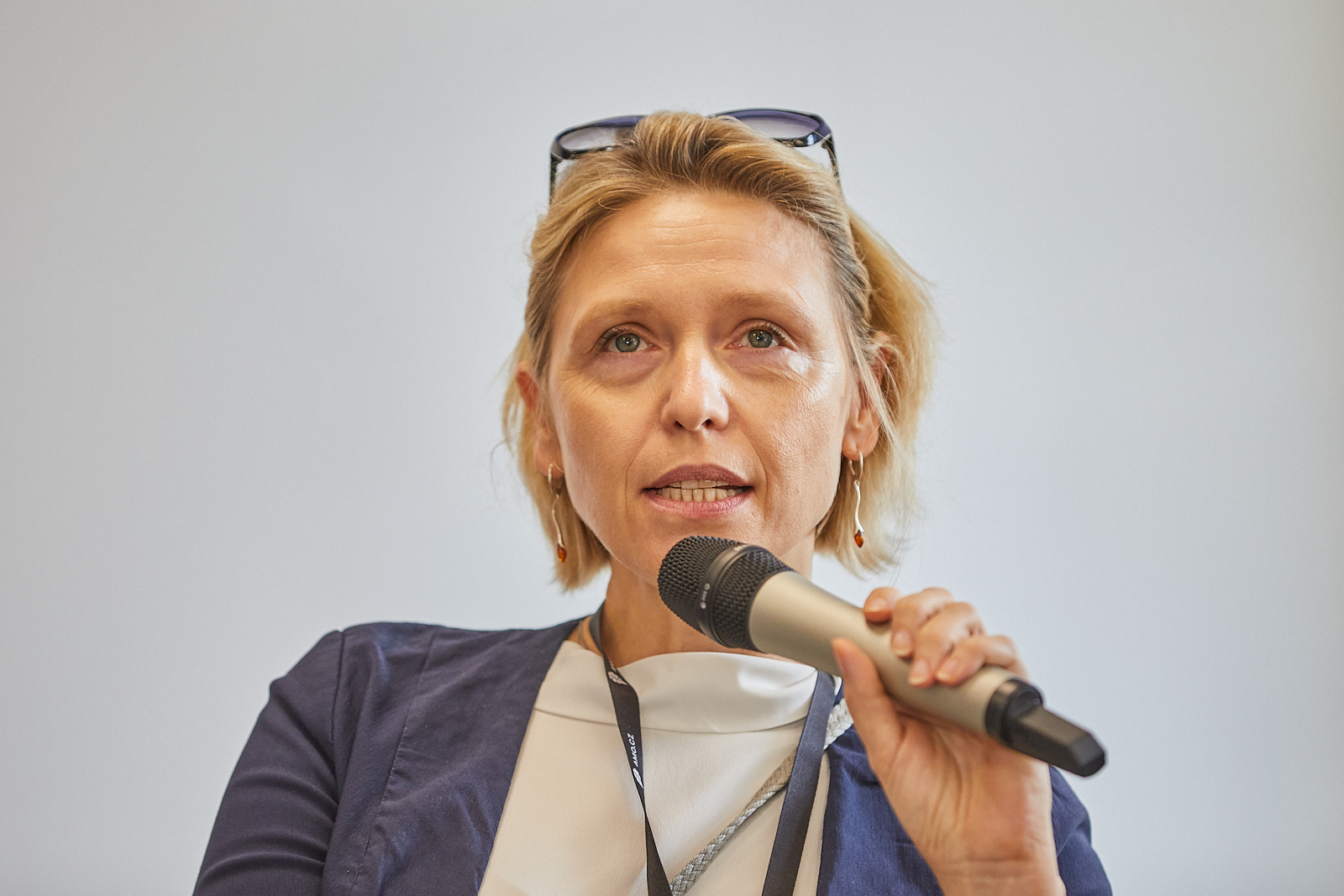
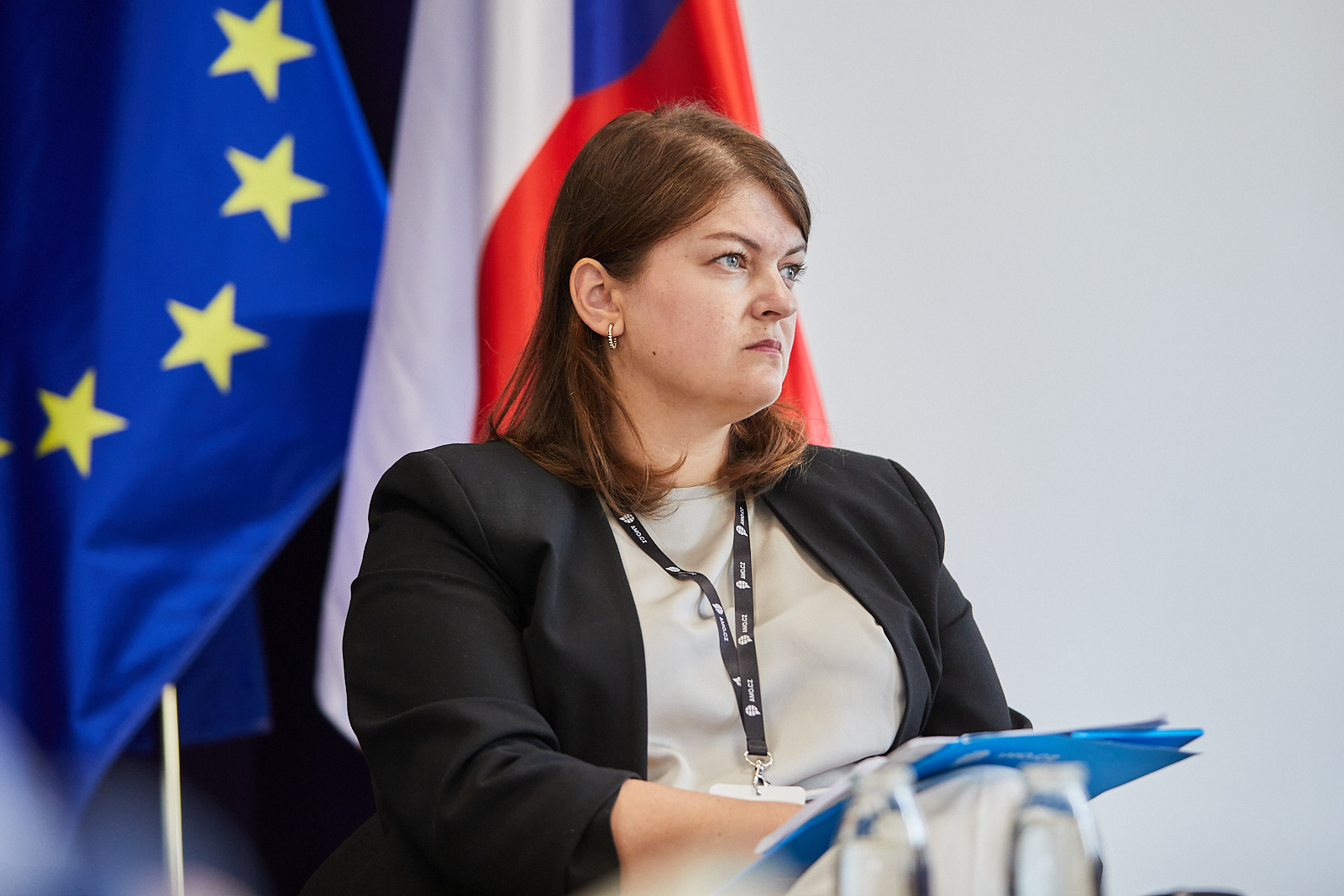
The first panel discussion emphasized that the Euro-Atlantic and Indo-Pacific theaters are now deeply interconnected, with deterrence against aggression in Europe directly influencing stability in Asia. Panelists highlighted the growth of an adversarial network of Russia, Iran, and North Korea, with China acting as a crucial enabler through dual-use technology and machine tool exports, warning that a simultaneous "dual escalation" crisis in Europe and Taiwan would severely strain U.S. resources and shatter European defense supply chains dependent on semiconductors and critical materials. While calling for cross-regional cooperation and learning from hybrid threat tactics, speakers offered a realistic assessment of European limits, stressing that Europe cannot alter the military balance in Asia or the Middle East. The speakers stressed the importance of the transatlantic partnership, agreeing on the need for the European NATO members to focus heavily on bolstering their own conventional defense, industrial capacity, and democratic resilience to ensure long-term deterrence.
Panel 2: Strategic Perspectives on EU Enlargement: Balancing the Western Balkans, Ukraine, and Moldova
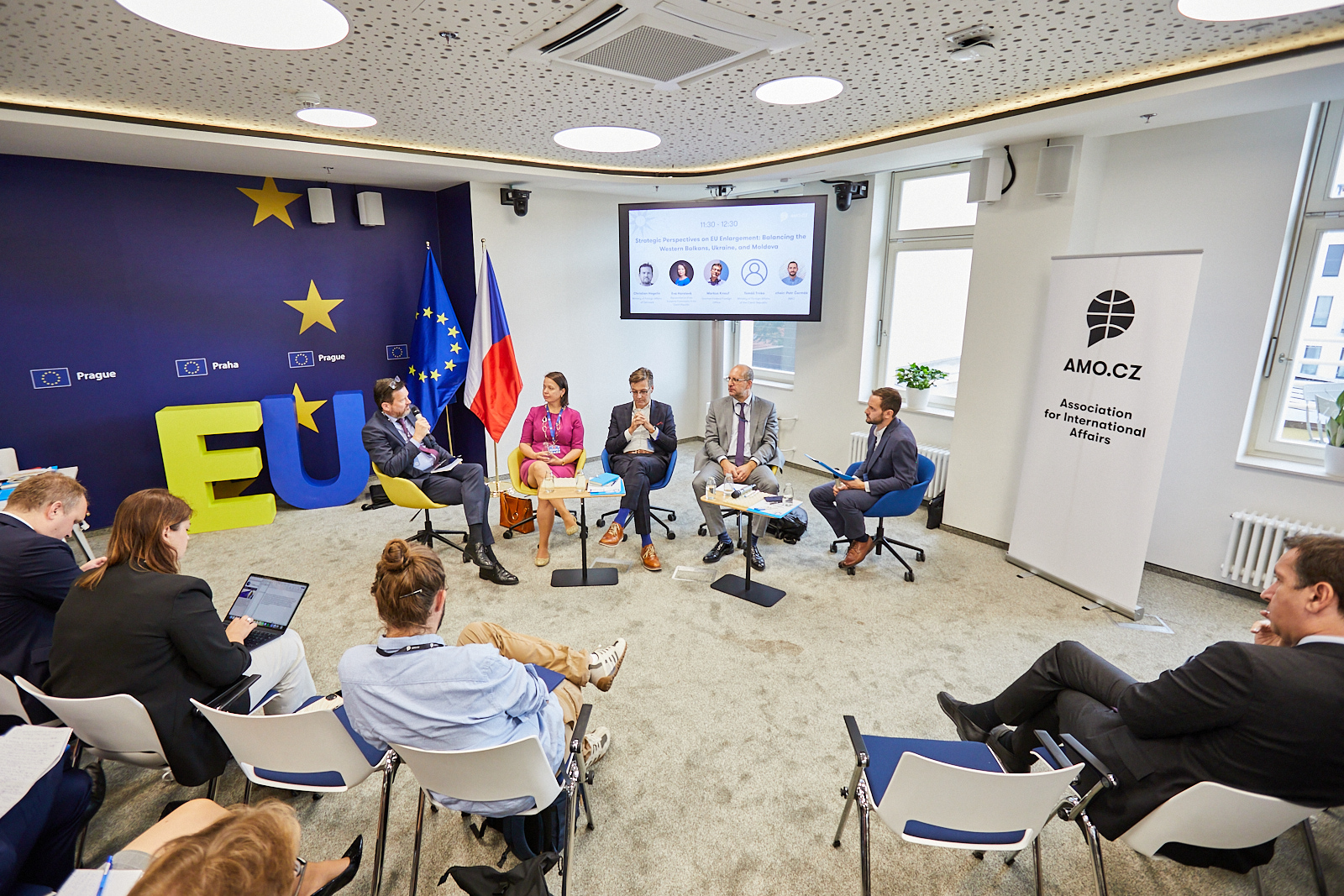
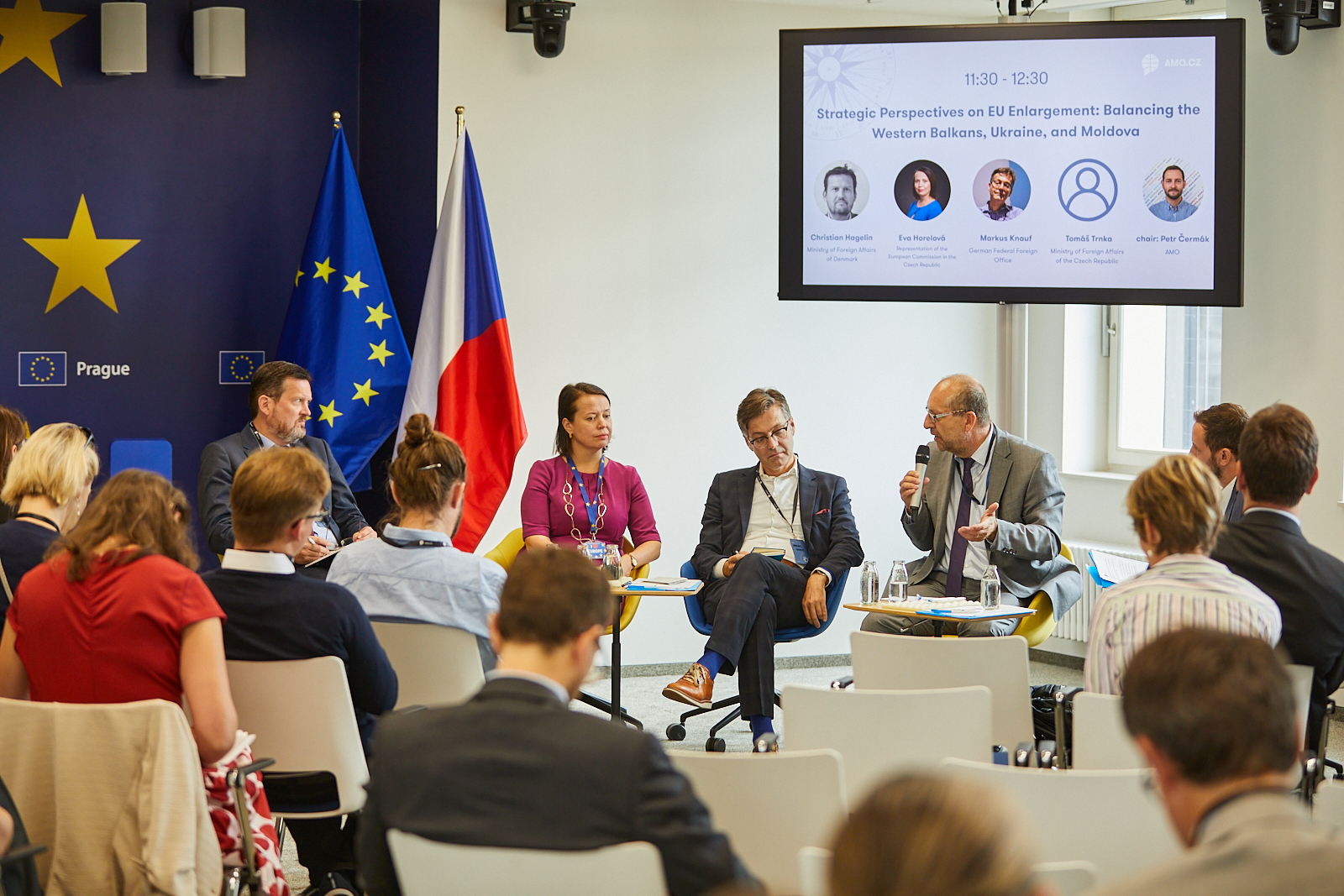
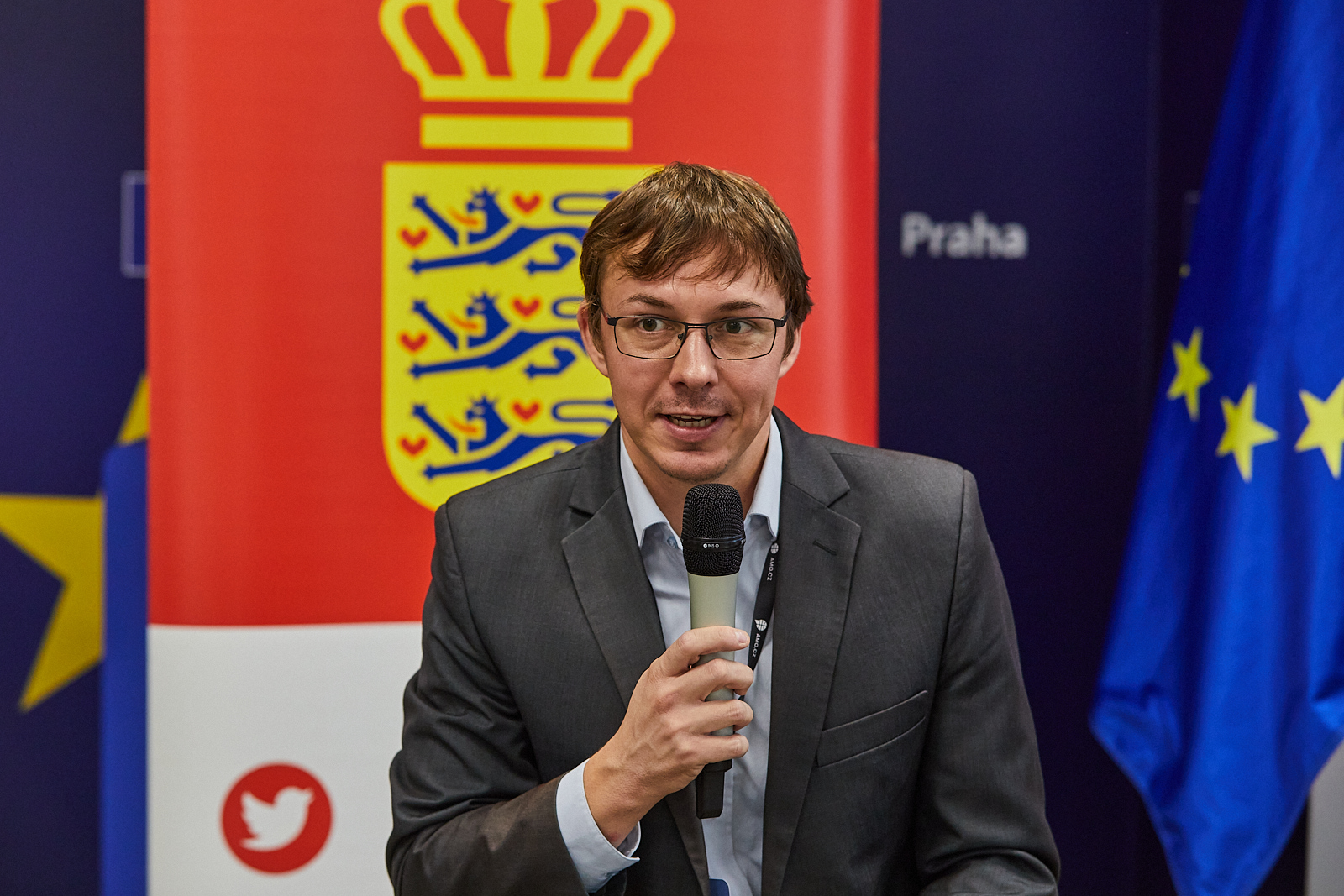
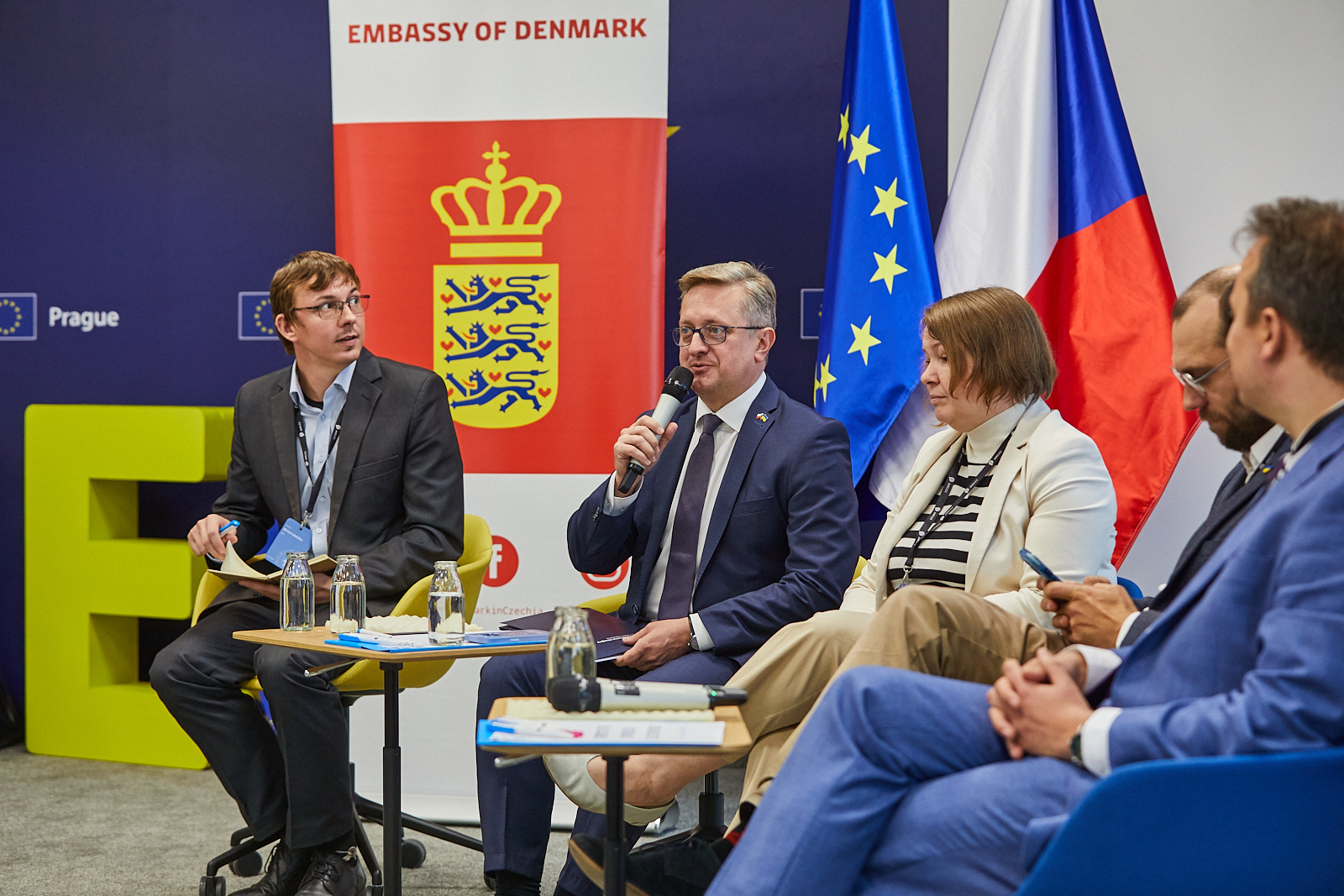
Secondly, the following panel examined how Russia's invasion of Ukraine transformed EU enlargement from an administrative process plagued by "enlargement fatigue" into an urgent geopolitical priority, driving a historic shift in member state attitudes, such as Denmark moving from vetoing accession talks in 2019 to acting as a key proponent of a unified, stronger Europe. While Ukraine serves as the primary motor for this renewed momentum, speakers debated how to balance strict conditionality with pragmatic progress, particularly regarding the broader Western Balkans, particularly the case of Serbia and concerns over rule of law, Russian influence, and media alignment. The discussion addressed the threat posed by bilateral disputes and member state vetoes to the process, underscoring the importance of addressing these issues at the broader EU level rather than on a bilateral basis. To sustain public backing in skeptical member states like Czechia, Germany, and Austria, participants highlighted the need to reframe enlargement around continental security and reunification, while offering candidate countries gradual integration benefits (such as single market access and reduced roaming fees) prior to full accession.
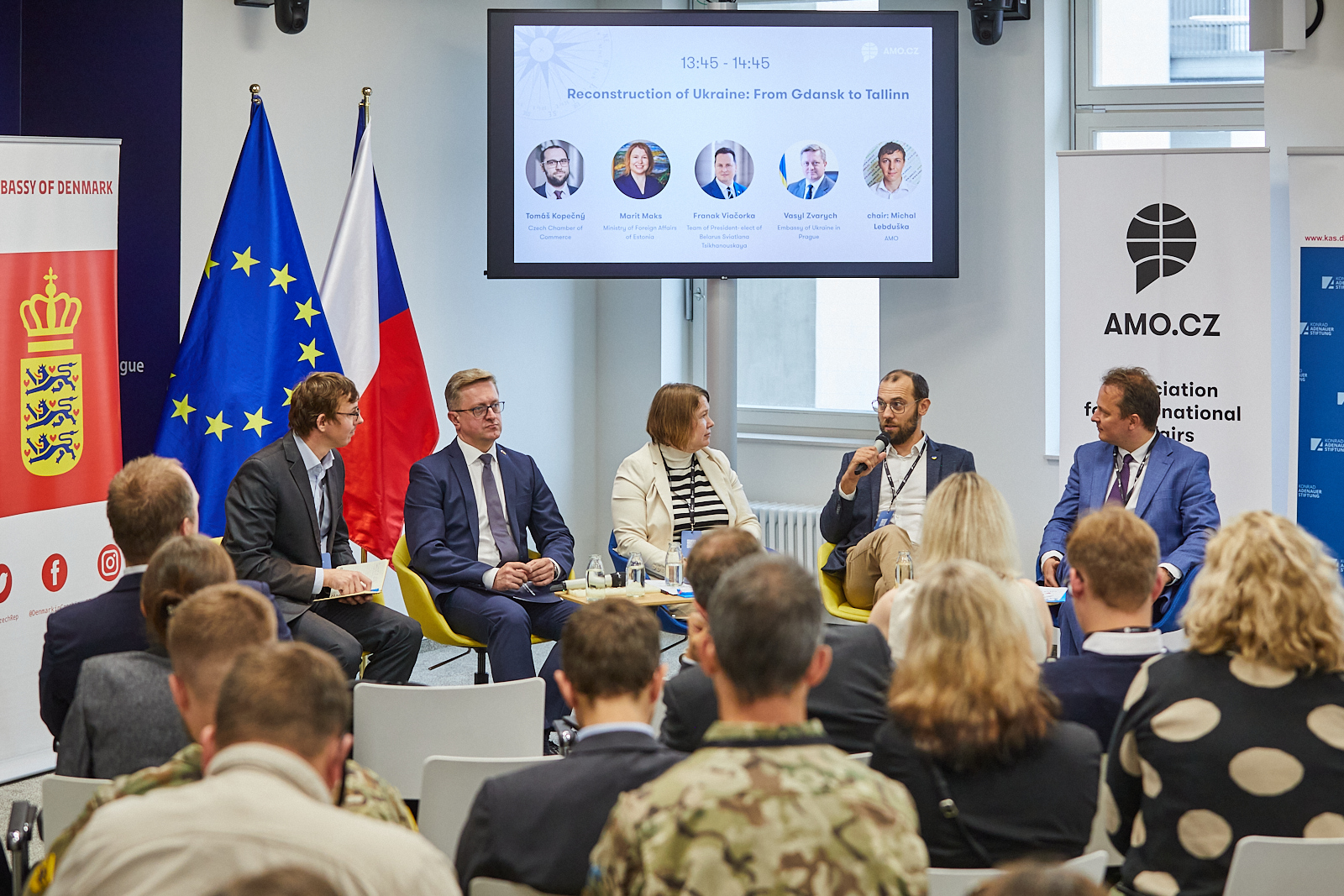
Panel 3: Reconstruction of Ukraine: From Gdansk to Tallinn
The third panel framed Ukraine's reconstruction as a mutually beneficial market opportunity aligned with adopting EU standards rather than one-directional aid, emphasizing that sustainable recovery requires both private sector investment and immediate defense resilience. Panelists highlighted that private capital will play a pivotal role in Ukraine’s recovery, with meaningful opportunities for engagement already emerging, like energy, IT, supply chains, and ballistic technology, as well as critical mental health centers. Looking ahead from the Gdańsk Ukraine Recovery Conference (URC) towards Tallinn, partners like Estonia and Czechia are focusing on infrastructure, education, and defense partnerships, noting that working with reliable Ukrainian firms offers direct economic benefits to European allies. Crucially, participants underscored the immediate priority of air defense to protect civilians during the upcoming winter, insisting that long-term recovery costs must be paid by Russia rather than EU taxpayers. Additionally, the Belarusian democratic opposition's linkage to Ukraine's fate was emphasized, highlighting how shared security expertise, military mobilization support, and human resources create a vital, mutually beneficial alliance where Ukraine's victory remains essential to Belarus's own freedom.
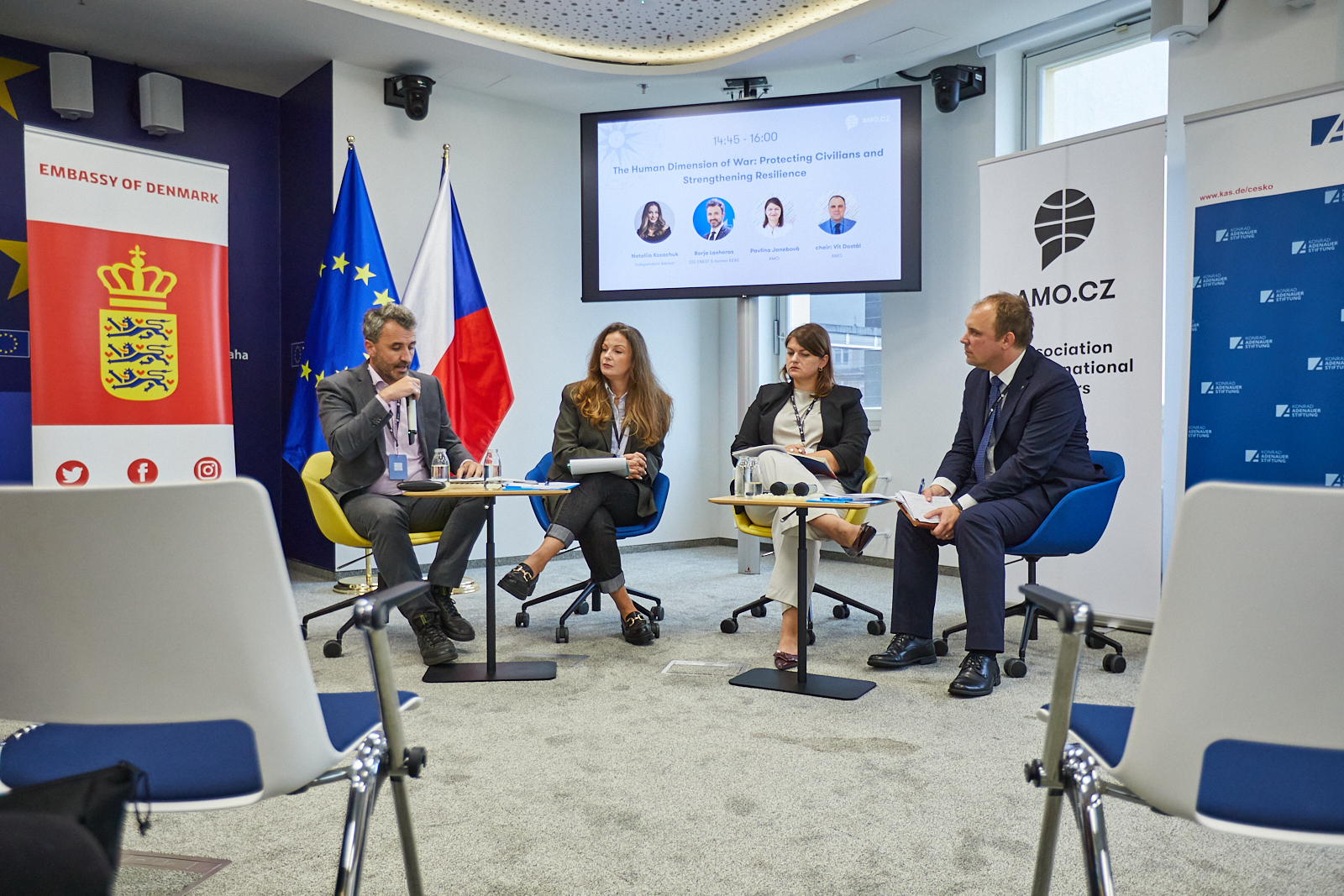
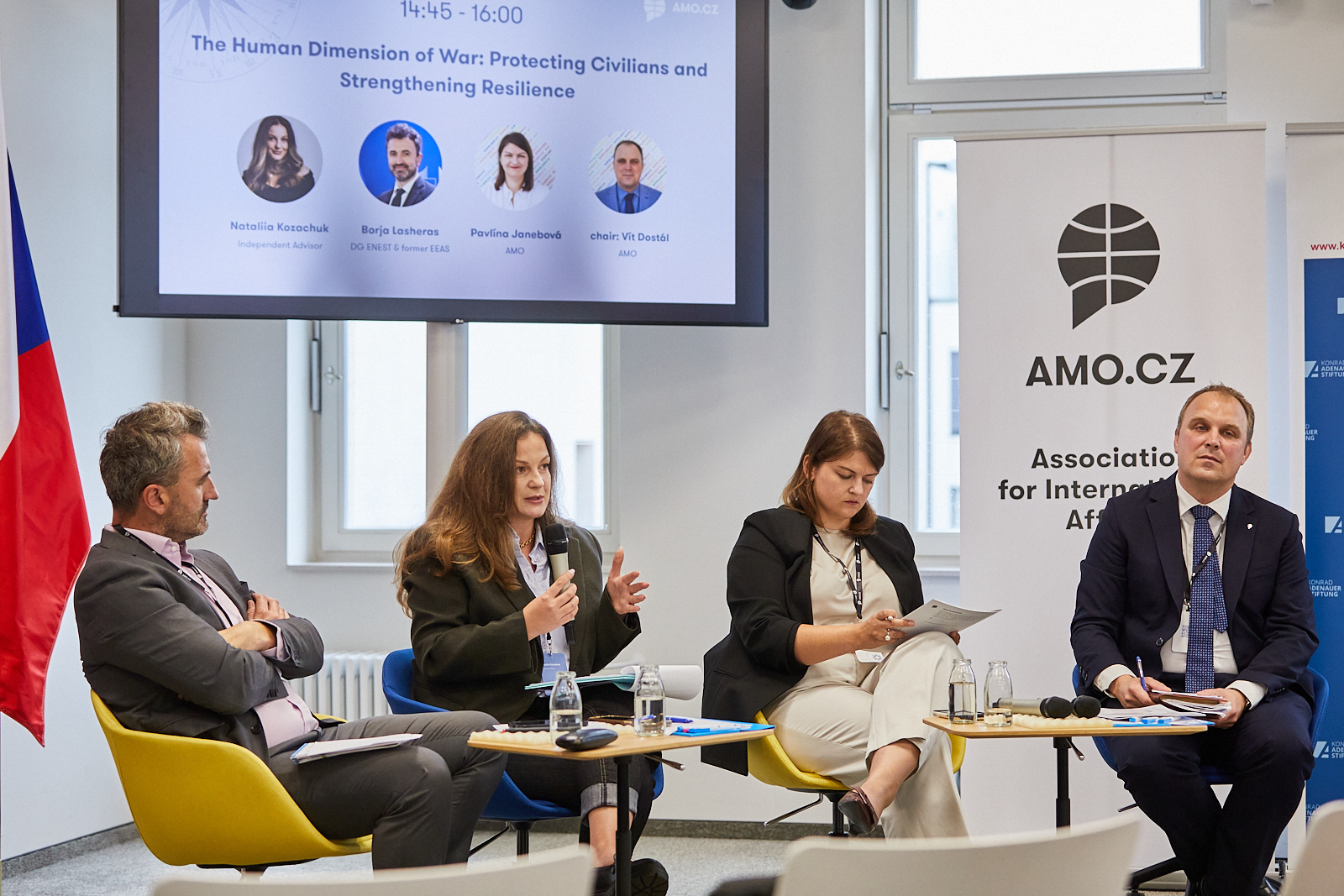
Panel 4: The Human Dimension of War: Protecting Civilians and Strengthening Resilience
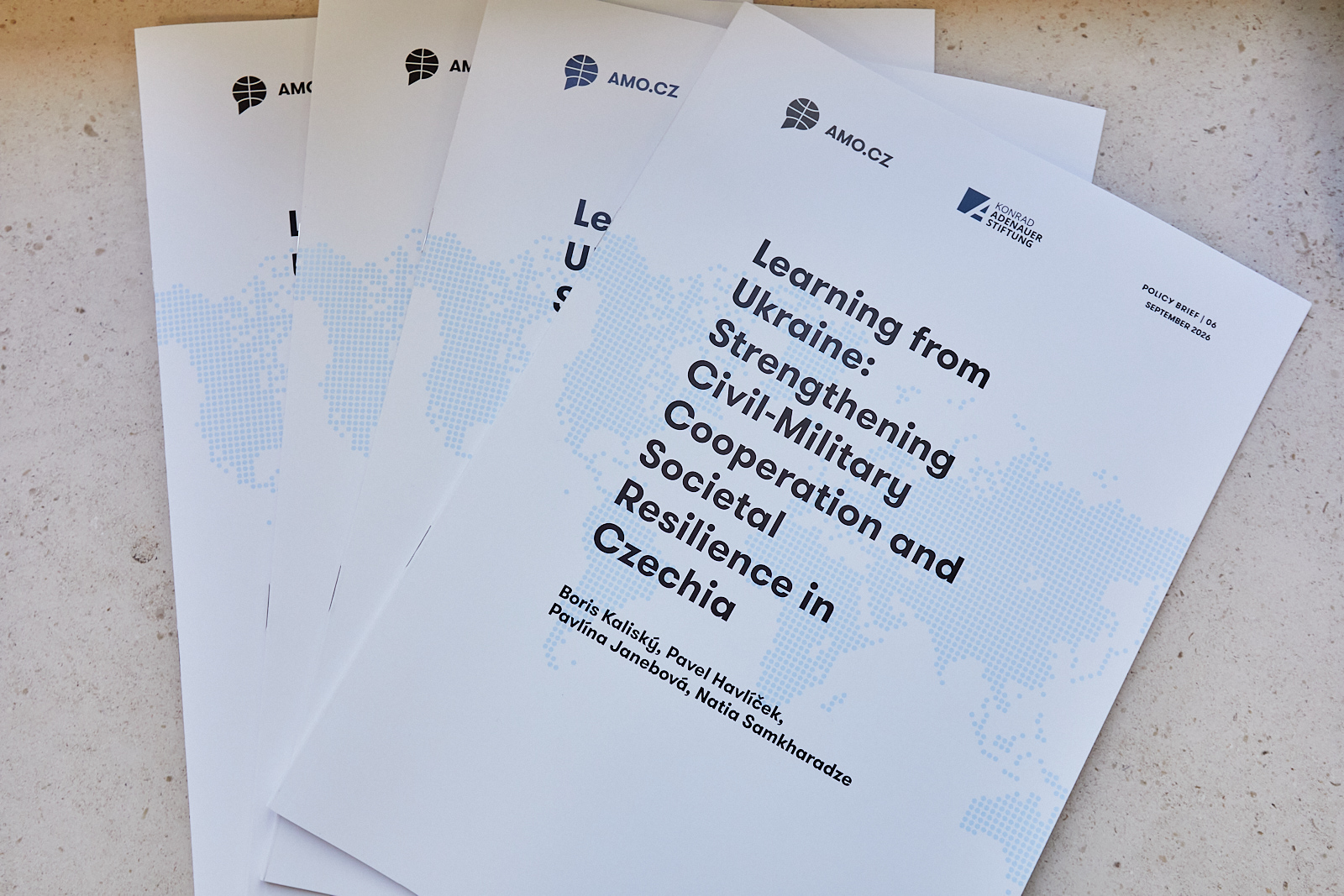
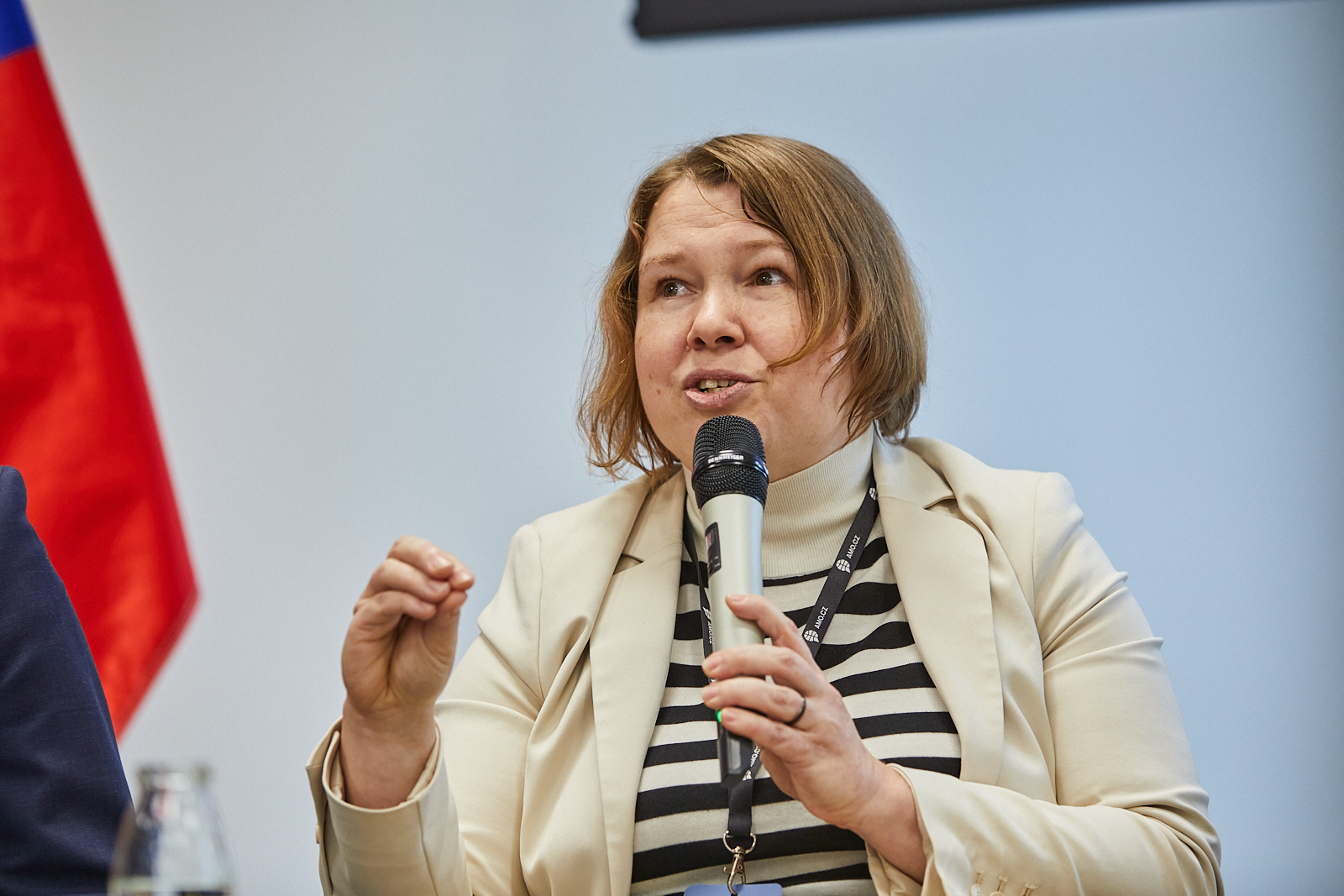
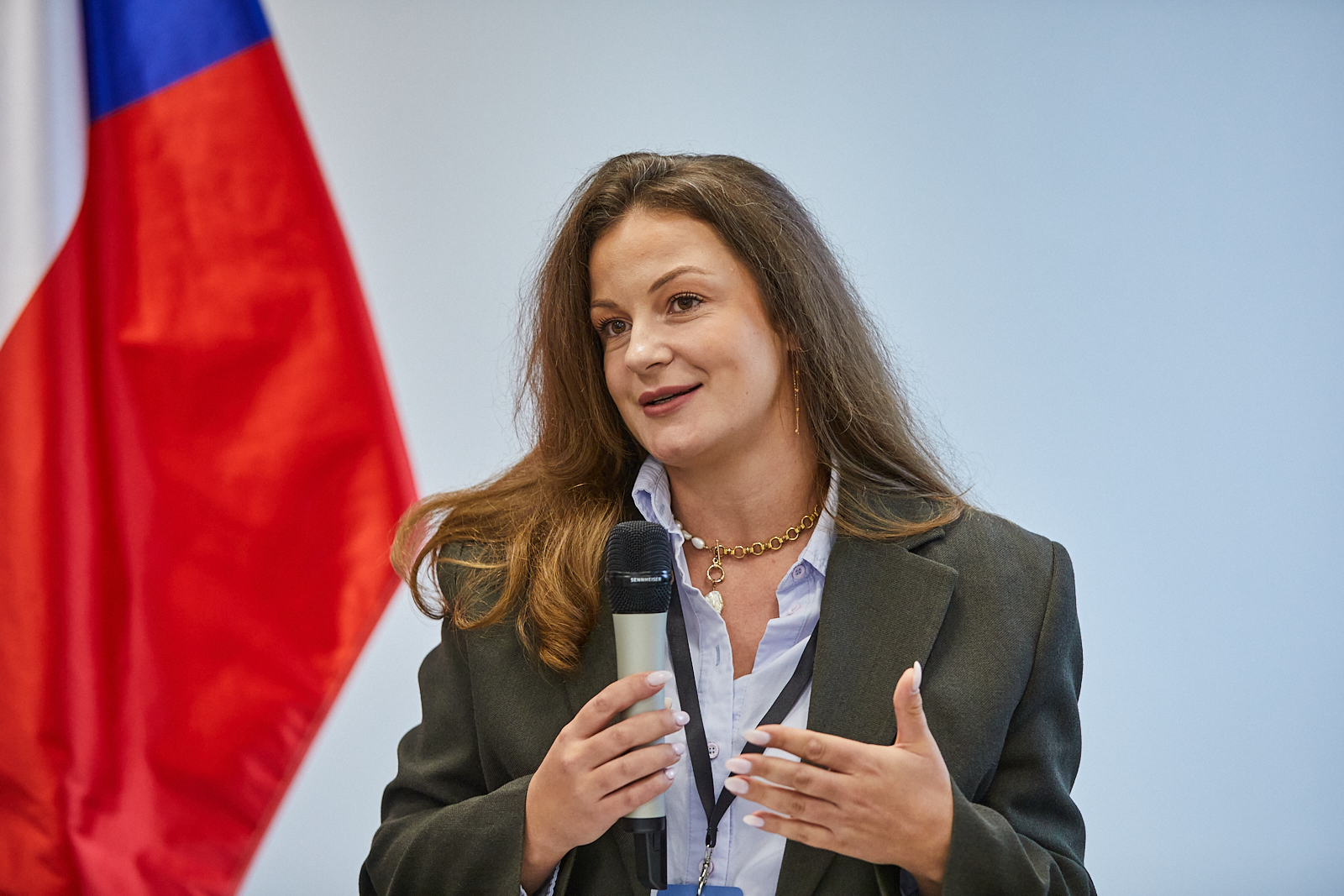
This discussion examined how the human cost of Russia’s war, manifested through loss of life, civilian trauma, kidnapped children, and shattered communities, demands a shift from emphasizing the "resilience" of the Ukrainian population (however admirable) to acknowledging the need and providing the means for sustainable protection. Speakers stressed that because Russian strikes target civilians indiscriminately (causing escalating casualties through a "human safari" of drone and missile attacks) and true protection requires military deterrence, air defense, and winterization rather than rhetoric. On the European level, the EU must leverage its scale to step in when national capacities are overwhelmed, while member states like Czechia need to modernize crisis legislation, bridge civil-military planning gaps, and protect strategic communication from hybrid warfare that begins "on our phones." Crucially, research on Czech-Ukrainian social cohesion highlighted a major integration deficit rooted in mutual passivity and lack of trust—where over half of surveyed Czechs and Ukrainians cannot name a close friend from the other community, and narratives portray Ukraine predominantly through the war angle. Panelists concluded that building true societal resilience requires moving past superficial integration to foster two-way trust, active local inclusion, clear value-based political leadership, and shared physical and social spaces.
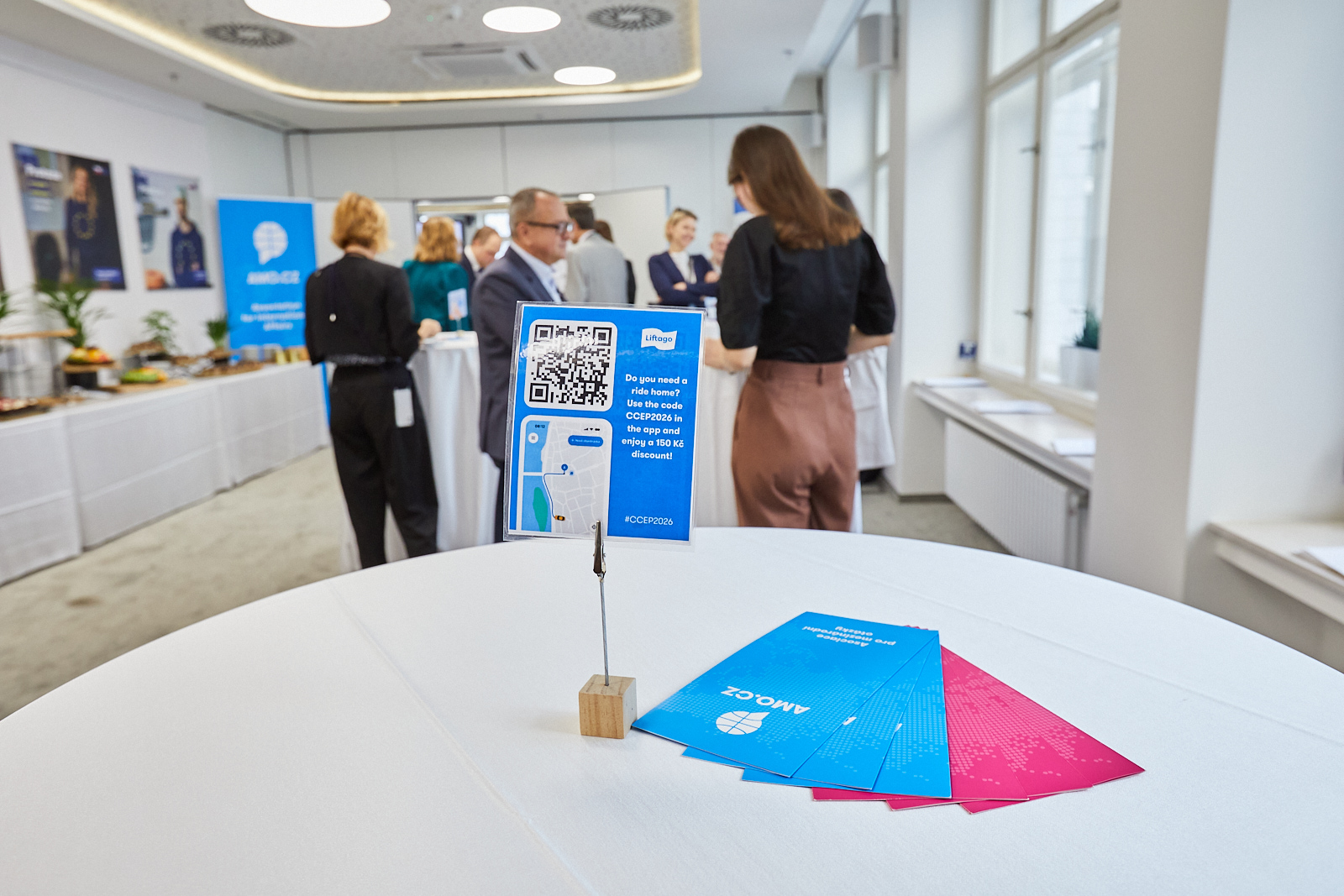
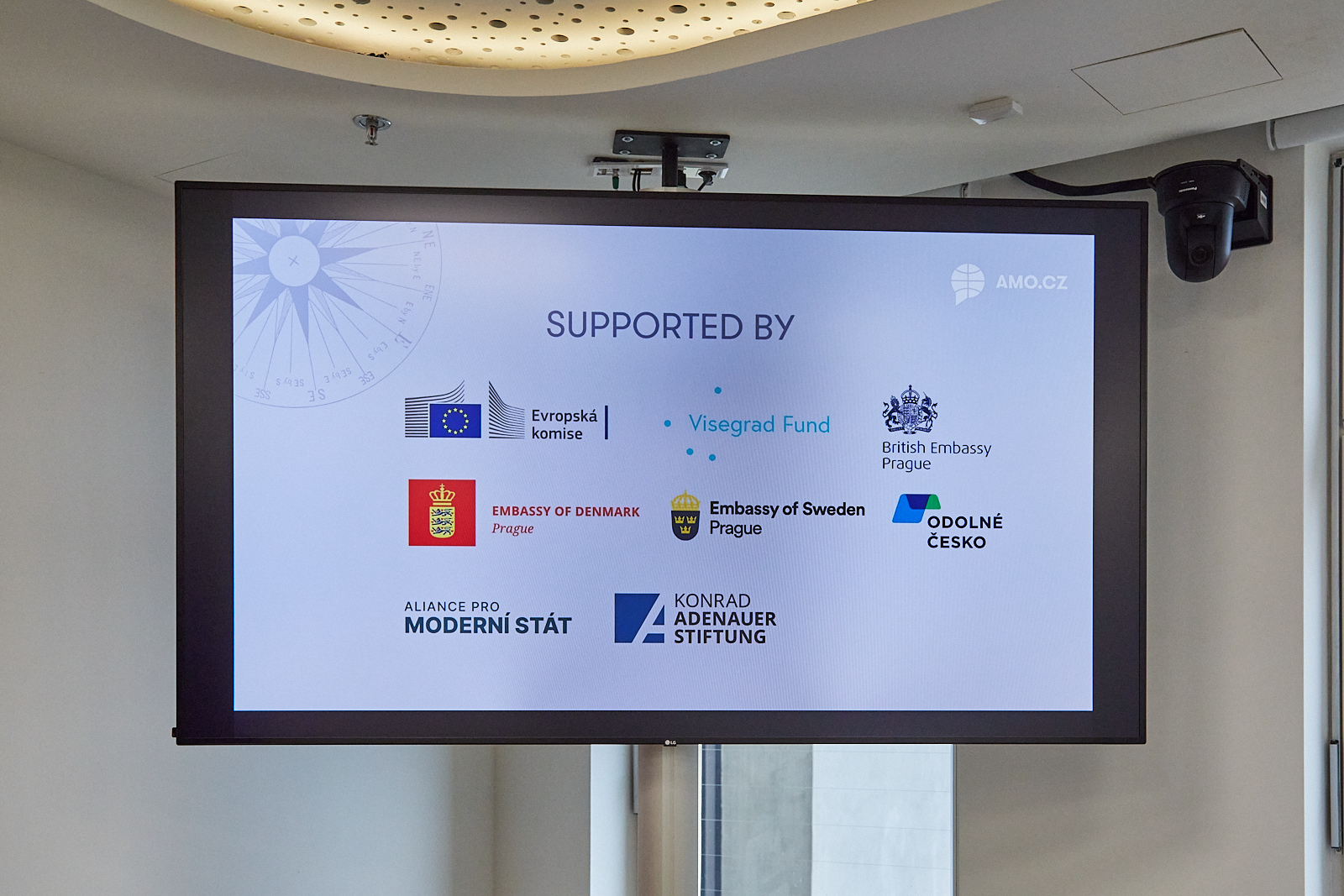
These meaningful discussions would not have been possible without the generous support of our partners. We extend our sincere gratitude to the Representation of the European Commission in Czechia, the International Visegrad Fund, the British Embassy in Prague, the Royal Danish Embassy in Prague, the Embassy of Sweden in Prague, Resilient Czechia, Alliance for a Modern State, and the Konrad-Adenauer-Stiftung. We are equally grateful to Liftago, our main logistics partner, for ensuring the safe and punctual arrival of our guests.
Our appreciation goes out to everyone who contributed to the success of this event. We look forward to welcoming you to the next edition next year.
Slava Ukraini.
Photogallery